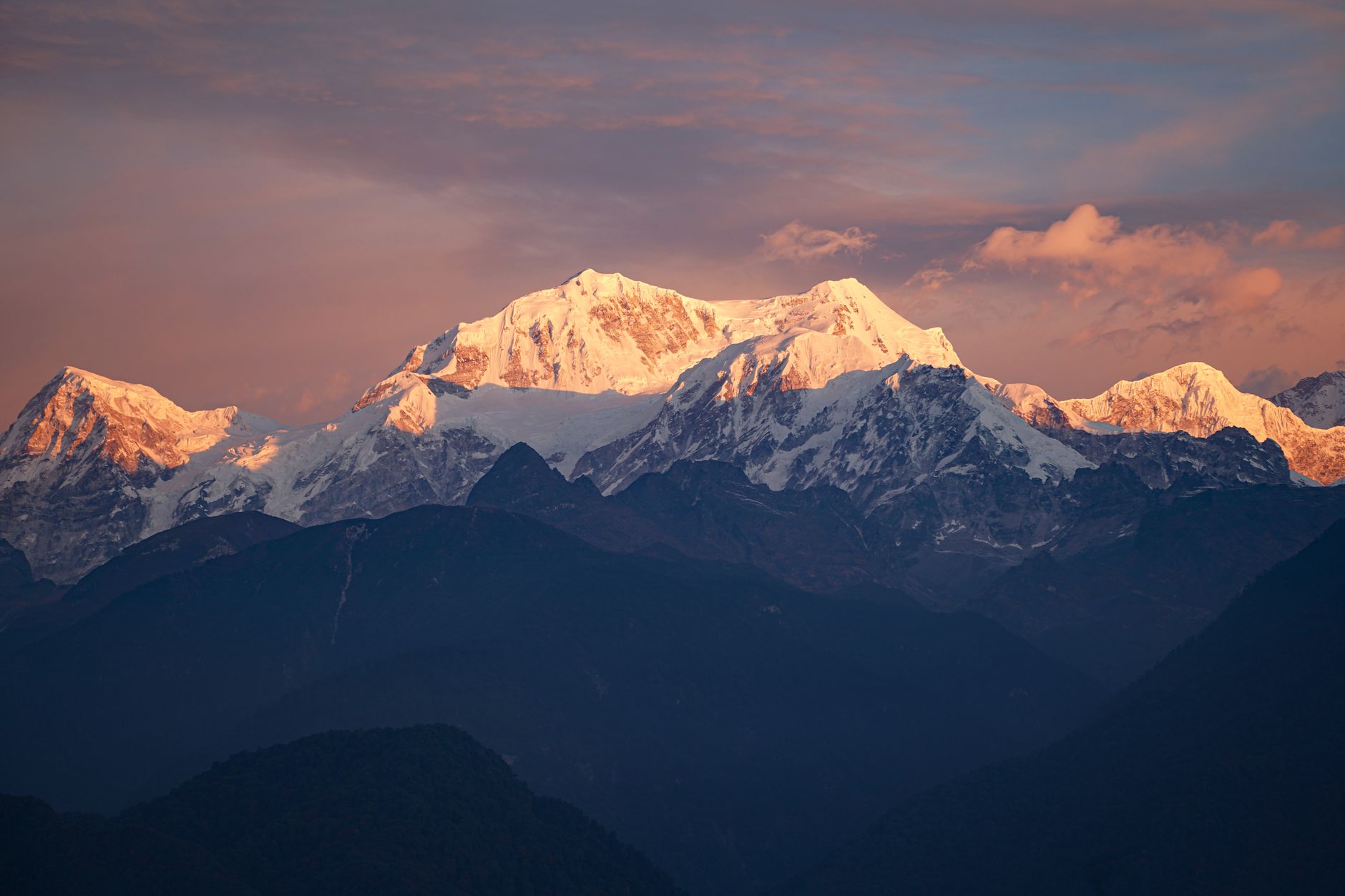
Sikkim presents adventurers, nature lovers, and spiritual seekers with an extraordinary range of experiences concentrated within India’s second-smallest state, where landscapes shift from subtropical valleys to glaciated peaks touching 8,586 meters at Kanchenjunga’s summit. This Himalayan kingdom-turned-Indian state packs more adventure, culture, and natural beauty per square kilometer than perhaps anywhere else in the subcontinent, offering everything from world-class trekking to ancient monastery immersion, from white-water rafting through dramatic gorges to peaceful meditation retreats. Understanding the best things to do in Sikkim helps you navigate the permit requirements, seasonal considerations, and logistical challenges that come with exploring this extraordinary frontier region.
Whether you seek the physical challenge of high-altitude trekking, want to witness Buddhist traditions maintained for centuries in remote monasteries, or simply wish to experience Himalayan landscapes that include the world’s third-highest peak, Sikkim delivers experiences impossible to replicate elsewhere. This comprehensive guide covers twenty-five essential activities spanning adventure, spirituality, nature, and culture, complete with practical information and insider tips to help you experience everything this remarkable state offers.
Quick Facts: Sikkim Activities Overview
Trekking Adventures in Sikkim
1. Trek to Goecha La
The Goecha La trek represents Sikkim’s premier trekking experience, a 9-11 day journey that climbs to 4,940 meters at Goecha La pass where trekkers stand face-to-face with Kanchenjunga’s massive west face in what many consider one of the most spectacular mountain panoramas anywhere in the Himalayas. Starting from Yuksom, the historic first capital of Sikkim where the first Chogyal (king) was crowned in 1642, the trek passes through extraordinary diversity of terrain from subtropical forest through temperate woodland into alpine meadows and finally the stark beauty of the high pass. This is a trek that demands proper fitness and acclimatization but rewards with views and experiences that rank among trekking’s ultimate achievements.
The route passes Tshoka, Dzongri, and Samiti Lake before the final push to Goecha La, with each stage revealing new aspects of Sikkim’s remarkable biodiversity and mountain scenery. Rhododendron forests that explode with color during April-May give way to alpine meadows where blue sheep and other high-altitude wildlife may be spotted, while the massive scale of Kanchenjunga grows increasingly dominant as the trek progresses. Proper acclimatization days built into the itinerary help trekkers adapt to the altitude while also allowing exploration of viewpoints and side valleys.
2. Explore the Dzongri Trek
The Dzongri trek offers a shorter alternative to Goecha La for those with limited time or seeking a less demanding introduction to high-altitude Sikkim trekking, reaching Dzongri viewpoint at 4,020 meters over 4-5 days round-trip from Yuksom. The viewpoint provides panoramic perspectives on Kanchenjunga and surrounding peaks that satisfy many trekkers without the additional commitment and difficulty of continuing to Goecha La. The route shares the same trailhead and initial stages as the longer trek, passing through the same spectacular forest zones and offering similar wildlife opportunities.
Many trekkers use Dzongri as an acclimatization point even when planning the full Goecha La trek, with the additional rest day and shorter distances helping prepare for the more demanding sections ahead. The meadows around Dzongri support summer grazing for yaks from nearby villages, providing opportunities to observe traditional pastoral practices that continue despite the region’s increasing tourism development. Sunrise from Dzongri viewpoint ranks among Sikkim’s most impressive spectacles when weather permits clear viewing of the mountain panorama.

3. Trek the Singalila Ridge
The Singalila Ridge trek follows the border between Sikkim and Nepal along a high ridge offering continuous views of the Himalayan giants including Everest, Kanchenjunga, Makalu, and Lhotse visible from various points along the route. While technically beginning in West Bengal at Manebhanjan, the trek enters Sikkim at several points and provides perspectives on Sikkim’s landscapes that complement views from treks originating within the state. The ridge walk through Singalila National Park showcases the extraordinary biodiversity of the eastern Himalayas, with rhododendron forests and diverse bird populations providing nature interest beyond the mountain views.
The route typically covers Tonglu, Tumling, Kalipokhri, Sandakphu (the highest point at 3,636 meters), and Phalut before descending through various options. Accommodation in mountain huts and homestays provides basic comfort, while the well-defined trail makes navigation straightforward. The relatively accessible altitude compared to higher Sikkim treks makes Singalila suitable for a broader range of fitness levels, though the distance and terrain still demand reasonable physical preparation.
4. Discover Green Lake Trek
The Green Lake trek ventures into restricted areas of North Sikkim that require special permits and organized expedition-style logistics, reaching the glacial Green Lake at approximately 5,000 meters beneath the north face of Kanchenjunga in terrain that few visitors ever experience. This 14-16 day expedition passes through some of Sikkim’s most remote landscapes, including the high-altitude grazing areas used by yak herders and terrain that transitions from forest through scrub into the stark beauty of the trans-Himalayan zone. The permit requirements and expedition logistics make this one of Sikkim’s most exclusive trekking experiences.
The route follows the Zemu Glacier approach used by early Kanchenjunga expeditions, providing historical connection to mountaineering’s heroic age while accessing scenery that remains virtually unchanged from those pioneering days. Wildlife including blue sheep, Himalayan tahr, and various high-altitude birds may be observed, while the floral diversity of lower elevations includes numerous orchid and rhododendron species. The remoteness and difficulty of this trek requires experienced trekkers comfortable with basic camping conditions and capable of maintaining appropriate pace at high altitude.
Adventure Sports
5. Go White Water Rafting on the Teesta
The Teesta River provides some of India’s best white-water rafting, with rapids ranging from beginner-friendly Grade II to challenging Grade IV sections that test experienced rafters. Rafting operations primarily base from camps between Melli and Teesta Bazaar, offering expeditions ranging from short introductory sessions to multi-day journeys covering substantial river distances. The combination of technical rapids, stunning gorge scenery, and reliable water flows during the rafting season (October-May) has established Teesta rafting as one of Sikkim’s signature adventure activities.
Different river sections cater to different experience levels, with operators assessing participant abilities before recommending appropriate stretches. The dramatic canyon scenery provides constant visual interest between rapids, while beach breaks and overnight camping extend multi-day trips into immersive wilderness experiences. Safety equipment and trained guides are essential given the technical nature of higher-grade rapids, making operator selection important for safe and enjoyable experiences.
6. Experience Mountain Biking
Mountain biking in Sikkim offers opportunities to explore the state’s dramatic terrain on two wheels, with routes ranging from challenging high-altitude passes to more gentle rides through tea gardens and village areas. The extreme elevation changes and technical terrain demand both cycling fitness and technical skill, but reward with experiences impossible to replicate in vehicles. Several operators offer guided biking tours that handle logistics while providing support vehicles for challenging sections.
Popular routes include the descent from Gangtok toward the plains, circuits through West Sikkim connecting Pelling, Yuksom, and Tashiding, and challenging high-altitude routes in North Sikkim for expert riders with proper acclimatization. The combination of physical challenge, scenic reward, and cultural immersion through village stops makes mountain biking an excellent way to experience Sikkim for fit cyclists seeking active travel alternatives.
7. Try Paragliding at Gangtok
Paragliding operations around Gangtok provide aerial perspectives on Sikkim’s landscapes, with tandem flights allowing beginners to experience the thrill of mountain flying without technical training. Launch sites at various elevations around the capital offer flights during favorable weather conditions, typically October through May when winds are most predictable. The aerial views reveal the dramatic topography of ridges, valleys, and distant mountain ranges in ways impossible from ground level.
Tandem paragliding pairs beginners with experienced pilots who handle all technical aspects while passengers focus on enjoying the experience and views. Flight durations depend on thermal conditions but typically range from 15-30 minutes, covering sufficient distance to appreciate the landscape’s scale and beauty. Operator selection based on equipment quality, pilot certification, and safety record ensures enjoyable experiences that justify the premium pricing for this spectacular activity.
8. Go Yak Safari in North Sikkim
Yak safaris in North Sikkim provide unique high-altitude experiences riding traditional Himalayan pack animals through landscapes that motor vehicles cannot access. These hardy animals, perfectly adapted to thin air and cold conditions, allow access to grazing meadows, glacial valleys, and viewpoints that would otherwise require demanding trekking. The pace of yak travel encourages appreciation of landscapes that speed past vehicle windows, while the animals themselves represent living connections to traditional Himalayan life.
Safaris typically operate from base camps in the Lachen and Lachung areas, with day rides and multi-day expeditions available depending on interests and time. The experience combines wildlife encounter with landscape exploration, as riders often observe blue sheep, marmots, and high-altitude birds while traversing terrain too remote for regular tourism. Proper warm clothing and preparation for basic conditions enhance comfort during these high-altitude adventures.
Spiritual and Cultural Experiences
9. Visit Rumtek Monastery
Rumtek Monastery stands as one of Tibetan Buddhism’s most important centers outside Tibet, serving as the seat-in-exile of the Karmapa, head of the Karma Kagyu lineage. The monastery complex replicates the original Tsurphu Monastery in Tibet and houses extraordinary collections of religious art, manuscripts, and artifacts that rank among the finest in the Himalayan region. Regular prayer ceremonies fill the halls with chanting monks, drums, and horns, providing authentic experience of living Buddhist tradition.
The monastery’s spiritual significance extends beyond its physical collections to its role in preserving Buddhist teachings and training new generations of monks. Visitors can observe daily prayer schedules, explore the grounds and buildings, and participate in meditation sessions when offered. Security has increased in recent years due to controversies surrounding the Karmapa succession, but the monastery remains welcoming to respectful visitors with genuine interest in Buddhist culture.
10. Explore Pemayangtse Monastery
Pemayangtse Monastery ranks among Sikkim’s oldest and most important Buddhist institutions, founded in the 17th century as the state monastery of the Sikkimese royal family. The monastery’s extraordinary seven-tiered wooden model depicting Padmasambhava’s heavenly palace took over five years to create and represents one of Sikkim’s finest artistic treasures. The hilltop location near Pelling provides commanding views while the monastery’s continued active practice maintains spiritual atmosphere beyond museum-like preservation.
The monastery belongs to the Nyingmapa order, Tibetan Buddhism’s oldest school, and maintains traditions dating back centuries. Regular prayer sessions welcome respectful observers, while annual festivals featuring masked dances draw large crowds who witness elaborate ceremonies that have continued largely unchanged for generations. The combination of historical significance, artistic treasures, and living practice makes Pemayangtse essential for understanding Sikkim’s Buddhist heritage.
11. Attend a Buddhist Festival
Buddhist festivals throughout Sikkim provide extraordinary opportunities to witness elaborate ceremonies that have continued for centuries, combining religious observance with cultural celebration through masked dances, ritual music, and community gathering. Major festivals including Bumchu at Tashiding, Losar (Tibetan New Year), and various monastery anniversaries feature colorful costumes, sacred dances representing Buddhist teachings, and community celebrations that draw locals and visitors alike.
Planning visits to coincide with festivals requires advance research as dates follow lunar calendars that vary annually. The most spectacular celebrations occur at major monasteries including Rumtek, Pemayangtse, and Enchey, with each monastery following slightly different traditions that reflect their lineage affiliations. Accommodation in nearby towns fills quickly during major festivals, making advance booking essential for visitors planning around these special events.
12. Practice Meditation at a Retreat Center
Sikkim’s Buddhist heritage supports numerous retreat centers and monasteries that welcome visitors for meditation instruction and extended practice periods. These opportunities range from brief introductory sessions at tourist-accessible monasteries to structured multi-day or multi-week retreats at dedicated practice centers. The peaceful mountain environments and centuries of contemplative tradition create ideal conditions for those seeking genuine spiritual practice rather than merely cultural tourism.
Several centers in the Gangtok and Pelling areas offer programs designed for non-Buddhist visitors interested in exploring meditation practice. Instruction typically covers basic techniques drawn from Tibetan Buddhist traditions, adapted for beginners without requiring religious commitment. More advanced programs for experienced practitioners may be available at centers with appropriate facilities and teachers. Expectations regarding silence, schedule, and participation vary between centers, requiring research to match interests with appropriate programs.
Nature and Wildlife
13. Visit Gurudongmar Lake
Gurudongmar Lake sits at 5,183 meters as one of the world’s highest lakes, a sacred site for both Buddhists and Sikhs set against stark high-altitude terrain that represents Sikkim’s trans-Himalayan landscapes at their most dramatic. The journey to Gurudongmar from Lachen takes visitors through progressively more barren terrain as vegetation surrenders to altitude, culminating at the glacial lake that remains partially unfrozen year-round at one section, allegedly blessed by Guru Padmasambhava. The experience of standing at this altitude, breathing thin air while surveying the stark beauty of the Tibetan Plateau borderlands, ranks among Sikkim’s most memorable.
Protected Area Permits are required for the journey, arranged through tour operators in Gangtok who organize mandatory group travel with registered vehicles and guides. The extreme altitude causes altitude sickness in many visitors, making proper acclimatization in Gangtok and gradual ascent essential for safe and comfortable visiting. The road typically closes during winter months when snow blocks the pass, with March through May and October through November offering optimal conditions.
14. Explore Tsomgo Lake and Nathula Pass
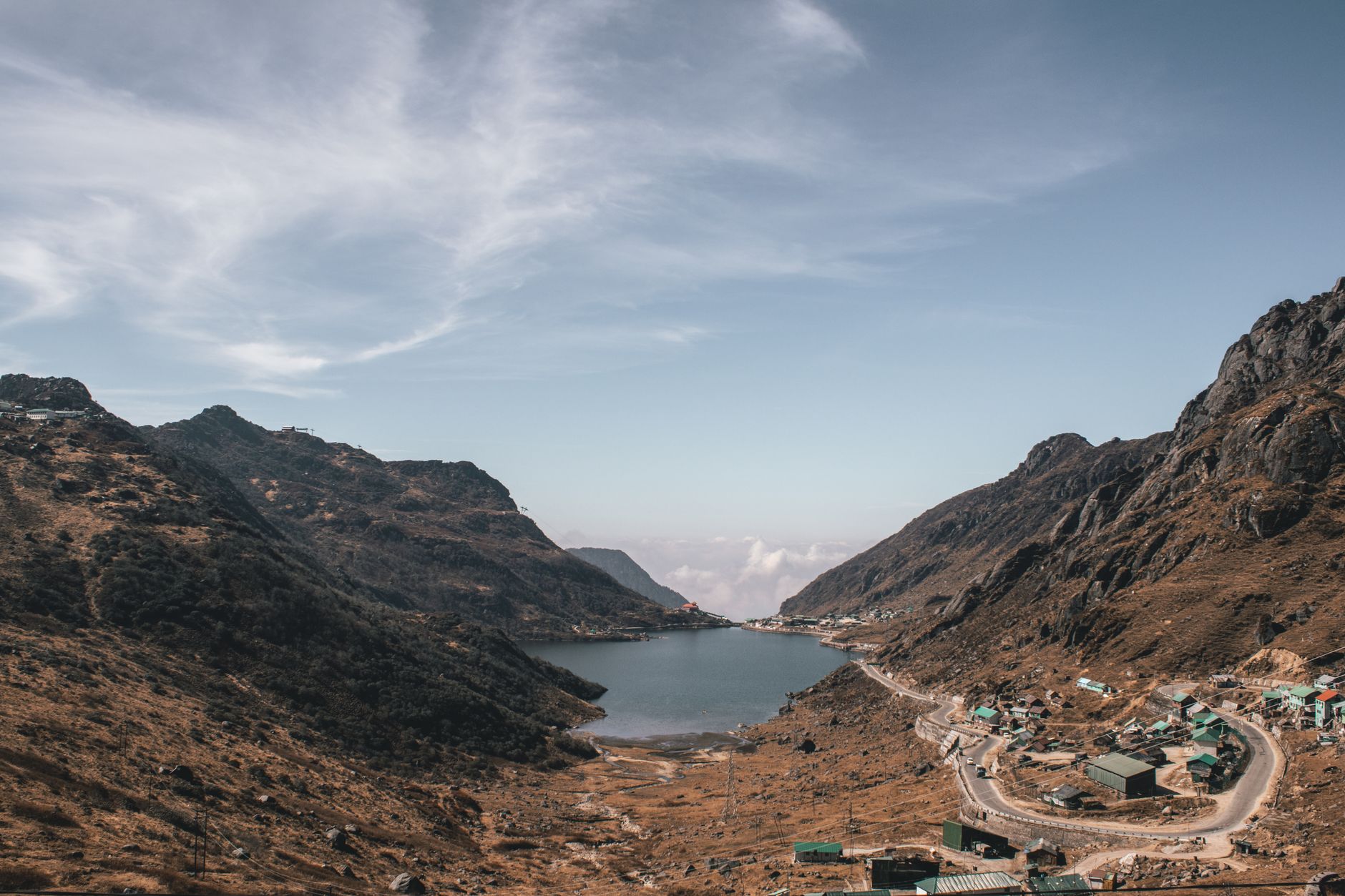
Tsomgo Lake and Nathula Pass together form one of Sikkim’s most popular day trips from Gangtok, combining the glacial lake at 3,753 meters with the historic Silk Route border crossing at 4,310 meters. Tsomgo’s waters change character with the seasons, frozen in winter, reflecting blue skies in summer, and bordered by blooming rhododendrons in spring. Nathula provides the extraordinary experience of standing at one of the world’s highest motorable border crossings, with Indian and Chinese soldiers stationed within visible distance.
Protected Area Permits required for both destinations are arranged through registered tour operators who organize the excursions, typically departing Gangtok early morning to maximize time before afternoon clouds obscure views. Altitude effects are significant at both locations, particularly Nathula, and visitors should be aware of symptoms and prepared to descend if problems develop. Nathula is closed on Mondays and Tuesdays, during winter months, and to foreign nationals.
15. Discover Yumthang Valley
Yumthang Valley, known as the Valley of Flowers, stretches along the Teesta River’s upper reaches where alpine meadows support spectacular wildflower displays during spring and early summer months. The valley’s elevation around 3,564 meters creates conditions for diverse floral communities including rhododendrons, primulas, and numerous alpine species that carpet the meadows in color during peak blooming season (typically April-June). Beyond the botanical interest, Yumthang provides access to hot springs, dramatic mountain scenery, and landscapes that represent Sikkim’s northern character.
Most visitors reach Yumthang as part of organized North Sikkim tours that also include Lachung village, where overnight stays allow early morning departure to experience the valley before crowds arrive. The road continues beyond Yumthang to Zero Point at 4,800 meters, where snow often persists year-round and the landscape transitions fully into trans-Himalayan terrain. Permit requirements and the challenging road conditions make organized tours the practical option for most visitors.
16. Spot Red Pandas at Singalila National Park
Singalila National Park protects critical habitat for red pandas and other endangered eastern Himalayan species across terrain straddling the West Bengal-Sikkim border. The park’s rhododendron and mixed forests provide ideal conditions for red pandas, whose distinctive russet coloring and secretive habits make sightings rare but rewarding for patient wildlife enthusiasts. Organized wildlife tours with experienced guides maximize chances of observing these charismatic animals in their natural habitat.
Beyond red pandas, the park supports diverse birdlife including numerous pheasant species, laughingthrushes, and other eastern Himalayan specialties that attract birders from worldwide. The park overlaps with popular trekking routes along the Singalila Ridge, allowing combination of wildlife observation with longer walking journeys. April-May rhododendron blooms create spectacular forest displays that enhance wildlife excursions with botanical interest.
17. Bird Watching at Khecheopalri Lake
Khecheopalri Lake provides excellent birdwatching opportunities in a setting combining spiritual significance with natural beauty, where the sacred “wish-fulfilling lake” is surrounded by dense forest that supports diverse avian populations. The lake’s protected status maintains habitat that has diminished elsewhere, creating refuge for species that have retreated from disturbed areas. Early morning visits maximize bird activity while also avoiding crowds of pilgrims and tourists who arrive later in the day.
The forests surrounding the lake support numerous species including various babblers, laughingthrushes, and woodland birds characteristic of the eastern Himalayan region. The combination of lake, forest, and adjacent agricultural land creates habitat diversity that increases species variety beyond what any single environment would support. Patient observers stationed at productive spots around the lake shore and forest edge may observe dozens of species during productive morning sessions.
Cultural Immersion
18. Experience a Homestay in Yuksom
Homestays in Yuksom and other Sikkimese villages provide immersive cultural experiences that reveal daily life beyond tourist attractions, offering accommodation with local families who share their homes, meals, and traditions with interested visitors. Yuksom’s significance as Sikkim’s first capital and the trailhead for major treks has supported development of homestay networks that combine historical interest with genuine cultural exchange. Staying with families rather than hotels provides insight into Sikkimese life impossible to achieve through conventional tourism.
Homestay experiences typically include home-cooked meals featuring local specialties, opportunities to participate in daily activities from farming to cooking, and evening conversations that connect guests with hosts’ perspectives and stories. The economic benefits flow directly to village families, supporting sustainable tourism development that maintains community vitality. Standards vary between homestays, from basic facilities to more comfortable accommodation, with expectations managed through proper booking research.
19. Sample Local Cuisine
Sikkimese cuisine reflects the state’s cultural diversity, blending Tibetan, Nepali, and indigenous traditions into distinctive dishes that reward adventurous eaters. Momos (dumplings) and thukpa (noodle soup) demonstrate Tibetan influence, while gundruk (fermented vegetables), sel roti (ring-shaped bread), and various dal preparations show Nepali heritage. Indigenous preparations including fermented beverages and wild-foraged ingredients add unique elements that distinguish Sikkimese food from neighboring regions.
Markets in Gangtok, Pelling, and other towns offer opportunities to sample street food and local specialties at modest prices, while restaurants range from simple local eateries to upscale establishments presenting traditional dishes with contemporary presentation. Cooking experiences available through homestays and dedicated programs teach preparation techniques while providing insight into the cultural significance of different foods. The emphasis on organic production throughout Sikkim ensures fresh, high-quality ingredients that enhance even simple preparations.
20. Visit the Namchi Char Dham
The Namchi Char Dham and Samdruptse Buddha represent ambitious religious development projects that have created major pilgrimage destinations in South Sikkim, combining religious significance with impressive sculptural scale. The 45-meter Guru Padmasambhava statue at Samdruptse ranks among the world’s largest, visible from throughout the region and drawing Buddhist pilgrims and tourists alike. The Char Dham complex replicates India’s four sacred Hindu sites, providing convenient pilgrimage substitute for those unable to visit the original locations.
These modern religious developments contrast with the ancient monasteries elsewhere in Sikkim, representing contemporary expressions of faith that serve large pilgrim populations while also functioning as tourist attractions. The scale of the constructions and the landscaped grounds surrounding them create dramatic visual impact, while the religious content provides genuine significance beyond tourism spectacle. Combined visits covering both Samdruptse and Char Dham provide full-day excursions from Namchi or Gangtok.
Unique Experiences
21. Soak in Hot Springs at Reshi
Natural hot springs at Reshi and other locations throughout Sikkim provide opportunities to soak in geothermally heated mineral water while surrounded by mountain scenery. The springs at Reshi Khola, located near the West Bengal border, have been developed with bathing facilities that range from basic pools to more comfortable arrangements, allowing visitors to choose appropriate options. The therapeutic properties traditionally attributed to the mineral-rich waters draw both health-seekers and those simply enjoying the relaxation of natural warm water in a mountain setting.
Hot springs in the Yumthang area provide more remote alternatives for those exploring North Sikkim, with simpler facilities reflecting the more challenging access. The contrast between warm water and cold mountain air creates particularly pleasant bathing experiences during cooler months, while the natural setting provides atmosphere impossible to replicate in artificial spa environments. Basic changing facilities and privacy vary between locations, requiring research to match expectations with available infrastructure.
22. Explore Traditional Cardamom Plantations
Sikkim’s large cardamom production supports plantation tours that explain cultivation of this valuable spice crop while providing access to the forested environments where cardamom thrives. The large cardamom grown in Sikkim differs from the small green cardamom familiar in most cuisines, with distinct flavor profiles and culinary applications. Plantation visits reveal the labor-intensive harvesting and processing that distinguish high-quality cardamom while supporting rural economies dependent on this crop.
The forested environments required for cardamom cultivation support biodiversity that includes numerous bird species and other wildlife, making plantation visits attractive for nature enthusiasts as well as those interested in agriculture. The combination of spice education, forest walking, and interaction with farming families creates experiences that connect economic and ecological aspects of Sikkim’s rural landscapes. Purchasing directly from producers ensures quality while providing fair returns to farming communities.
23. Cycle Through Organic Farms
Sikkim’s status as India’s first fully organic state creates opportunities for agricultural tourism that showcases sustainable farming practices throughout the state. Cycling tours through farming areas provide active exploration of rural landscapes while visiting farms, markets, and processing facilities that demonstrate organic production methods. The slow pace of cycling allows appreciation of agricultural landscapes that speed past vehicle windows, while stops at farms enable direct interaction with producers.
Several organizations offer guided cycling tours that handle logistics while providing educational content about Sikkim’s organic agriculture policies and practices. The physical demands of cycling through mountain terrain require reasonable fitness, though tour operators typically select routes appropriate for participant abilities. The combination of exercise, landscape immersion, and agricultural education creates experiences that connect visitors with the rural economies and environmental practices that distinguish Sikkim from conventional tourism destinations.
24. Attend the Saga Dawa Festival
Saga Dawa, celebrating the Buddha’s birth, enlightenment, and death, represents one of Tibetan Buddhism’s most important festivals and draws large celebrations throughout Sikkim during the fourth month of the Tibetan lunar calendar (typically May-June). The sacred day features elaborate ceremonies at monasteries throughout the state, with particularly significant celebrations at major institutions including Rumtek and Tashiding. The festival provides opportunities to witness living Buddhist practice at its most celebratory, combining religious observance with community gathering.
The Tashiding celebration includes the opening of a sacred pot whose water level is interpreted as an omen for the coming year, drawing pilgrims from throughout the region. Monastery grounds fill with local families, vendors, and visitors creating festive atmospheres that contrast with the solemnity of daily practice. Planning visits around Saga Dawa requires attention to the lunar calendar and advance accommodation booking in areas where celebrations will concentrate visitor numbers.
25. Drive the Zuluk Silk Route
The historic Silk Route through Zuluk provides one of Sikkim’s most dramatic driving experiences, climbing through 32 hairpin bends to viewpoints exceeding 4,500 meters where panoramic mountain views reward the challenging journey. This ancient trading route connecting India with Tibet has been developed for tourism, with infrastructure allowing comfortable exploration of terrain that was previously accessible only to hardy traders and their pack animals. The combination of historical significance, engineering spectacle, and natural beauty creates memorable experiences for those willing to endure the lengthy drive.
The route requires Protected Area Permits arranged through tour operators who provide mandatory registered vehicles and guides for the journey. Weather conditions dramatically affect the experience, with clear days offering extraordinary views while clouds can obscure the mountains entirely. The extreme altitude at the highest viewpoints causes altitude effects in many visitors, requiring awareness and willingness to descend if symptoms develop. Timing visits during optimal weather periods (October-November, March-May) maximizes chances of clear viewing conditions.
Sikkim Activity Planning Tips
- Arrange permits 3-5 days in advance through registered tour operators
- Build acclimatization time into itineraries before high-altitude activities
- Carry warm layers regardless of season – weather changes rapidly
- Book festival-period accommodation well in advance
- Verify road conditions before planning remote area visits
Frequently Asked Questions About Things to Do in Sikkim
How many days do I need to explore Sikkim?
A minimum of 7 days allows coverage of Gangtok, one North Sikkim excursion, and West Sikkim highlights. Comprehensive exploration including multiple regions and trekking requires 10-14 days. The Goecha La trek alone needs 9-11 days beyond base time. Factor in permit processing and weather flexibility when planning.
Do I need permits for all Sikkim activities?
No permits are required for Gangtok, Pelling, Namchi, and other unrestricted areas. Protected Area Permits (PAP) are required for North Sikkim, Nathula Pass, Tsomgo Lake, and the Zuluk route. Trekking in Singalila and Kanchenjunga regions requires separate permits arranged through tour operators.
What is the best season for adventure activities?
March-May and October-November offer optimal conditions for most activities. Monsoon (June-September) brings heavy rain, landslides, and restricted high-altitude access. Winter (December-February) sees snow closures at high elevations but allows lower-altitude activities. Rafting season runs October-May when water levels are suitable.
Can I organize activities independently?
Independent travel is possible in unrestricted areas. However, North Sikkim and other protected areas require mandatory use of registered tour operators who arrange permits and provide vehicles. Major treks require permits and registered guides. Activities like rafting and paragliding should use established operators with proper safety equipment.
Is altitude sickness a concern for Sikkim activities?
Yes, particularly for North Sikkim (Gurudongmar at 5,183m), Nathula (4,310m), and high-altitude treks. Proper acclimatization is essential. Spend at least one night at moderate altitude before attempting high-altitude destinations. Recognize symptoms (headache, nausea, dizziness) and be prepared to descend if they develop.
Planning your Sikkim adventures requires balancing permit requirements, seasonal conditions, and physical preparation across the extraordinary range of activities this Himalayan state offers. For more information, explore our guides to best time to visit Sikkim, best hotels in Sikkim, places to visit in Sikkim, and Sikkim trip cost.
Ready for Sikkim Adventures?
Book your perfect Sikkim accommodation now and start planning your Himalayan experience.