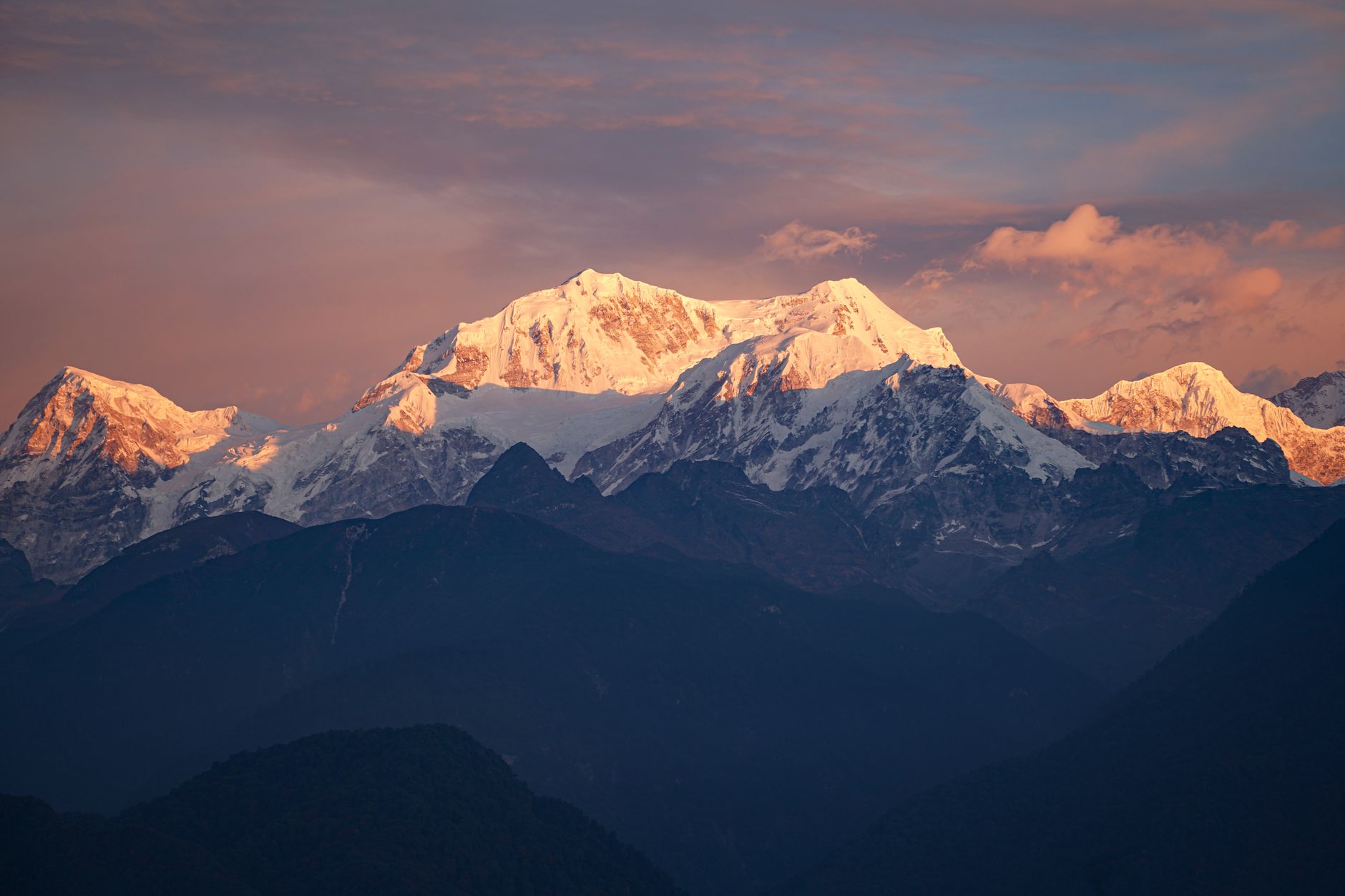
Sikkim, India’s least populous yet remarkably diverse state, packs extraordinary natural and cultural wealth into its compact territory nestled between Nepal, Tibet, and Bhutan in the eastern Himalayas. This tiny Himalayan kingdom-turned-Indian-state spans elevations from subtropical valleys at 300 meters to the eternal snows of Kanchenjunga at 8,586 meters, the world’s third-highest peak that stands as the guardian deity of Sikkim in local Buddhist tradition. The state’s predominantly Buddhist population has preserved an impressive network of ancient monasteries, while its geography creates stunning contrasts from tropical rainforests and cardamom plantations in the south to frozen high-altitude lakes and glaciers in the north. Understanding the essential places to visit in Sikkim helps travelers navigate this diverse landscape efficiently, as distances between attractions often involve challenging mountain roads and significant travel time.
Whether you seek spiritual experiences at centuries-old monasteries, adventure at altitudes that challenge your body and expand your mind, pristine natural beauty unspoiled by overdevelopment, or genuine cultural immersion with communities that have maintained traditional ways of life, Sikkim delivers experiences that justify its growing reputation as one of India’s most remarkable travel destinations. This comprehensive guide covers fifteen essential places spread across all four districts of Sikkim, providing practical information, permit requirements, and insider tips to help you plan the ultimate Sikkim adventure.
Quick Facts: Sikkim at a Glance
Overview: 15 Best Places to Visit in Sikkim
| Place | District | Altitude | Time Required | Permit | Best Season |
|---|---|---|---|---|---|
| Gurudongmar Lake | North | 5,183m | Full Day | Required | Oct-May |
| Yumthang Valley | North | 3,564m | Full Day | Required | Mar-Jun, Oct-Nov |
| Tsomgo Lake | East | 3,753m | Half Day | Required | Year-round |
| Nathula Pass | East | 4,310m | Half Day | Required | Apr-Nov |
| Gangtok | East | 1,650m | 2-3 Days | No | Year-round |
| Pelling | West | 2,150m | 2 Days | No | Year-round |
| Ravangla | South | 2,155m | 1-2 Days | No | Year-round |
| Rumtek Monastery | East | 1,550m | Half Day | No | Year-round |
| Namchi | South | 1,675m | 1 Day | No | Year-round |
| Lachung | North | 2,700m | 1-2 Days | Required | Year-round |
| Lachen | North | 2,750m | 1-2 Days | Required | Apr-Jun, Oct-Nov |
| Pemayangtse Monastery | West | 2,085m | 2-3 Hours | No | Year-round |
| Khecheopalri Lake | West | 1,700m | 2-3 Hours | No | Year-round |
| Zuluk | East | 2,865m | 1-2 Days | Required | Apr-Jun, Oct-Nov |
| Goecha La Trek | West | 4,940m | 9-11 Days | Required | Apr-May, Oct-Nov |
1. Gurudongmar Lake – The Sacred High-Altitude Marvel
Gurudongmar Lake stands as one of the highest lakes in the world at 5,183 meters, a sacred water body revered by Buddhists, Hindus, and Sikhs alike, where the extreme altitude and pristine setting create an almost otherworldly experience that remains etched in memory long after returning to lower elevations. The lake takes its name from Guru Padmasambhava (Guru Rinpoche), who according to legend blessed the lake during his 8th-century journey to Tibet, causing a portion of the water to remain unfrozen even during the harshest winters. Reaching Gurudongmar requires a challenging early-morning drive from Lachen through landscapes that transition from alpine meadows to stark high-altitude desert, with the journey itself offering spectacular views of snow-capped peaks, including several exceeding 6,000 meters. The lake presents different faces throughout the year: frozen solid during winter with a surreal blue-white appearance, surrounded by snow in spring, and reflecting perfect mirror images of surrounding peaks during clear autumn days. Altitude sickness affects many visitors at this elevation, making early-morning visits essential as symptoms typically worsen as the day progresses. The military maintains a presence near the lake due to its proximity to the Tibet border, and visitors must obtain Protected Area Permits through registered tour operators.
Insider Tip
Acclimatize properly by spending at least one night in Lachen (2,750m) before attempting the high-altitude drive to Gurudongmar. Start the journey by 5 AM to reach the lake before altitude symptoms intensify and weather deteriorates. Carry warm clothing as temperatures drop well below freezing even in summer. Do not exert yourself at the lake; move slowly and limit your stay to 20-30 minutes. The drive takes approximately 3 hours each way on rough roads. April-May and October-November offer the best combination of accessibility and weather.
2. Yumthang Valley – The Valley of Flowers
Yumthang Valley, often called the Valley of Flowers of Sikkim, spreads across a wide glacial valley at 3,564 meters where the Teesta River originates amid rhododendron forests and alpine meadows that burst into spectacular color during the spring blooming season. The valley stretches approximately 12 kilometers between towering mountain walls, with the drive from Lachung village winding through some of Sikkim’s most dramatic scenery, passing cascading waterfalls, hot springs, and forests of silver fir and rhododendron. During April and May, over 24 species of rhododendrons bloom simultaneously throughout the valley, creating carpets of red, pink, purple, and white flowers against the backdrop of snow-covered peaks that rank among the most beautiful natural displays in the Himalayas. Beyond the spring bloom, autumn brings golden foliage and crystal-clear visibility, while winter transforms the valley into a snow-covered wonderland accessible only to the most determined travelers. The Yumthang hot springs near the valley entrance offer a unique opportunity to soak in naturally heated mineral water surrounded by snow-covered mountains, providing relief after hours of traveling on rough mountain roads. Tour operators include Yumthang as part of standard North Sikkim packages, making logistics straightforward for visitors willing to obtain the required permits.
Insider Tip
Visit during late April to mid-May for peak rhododendron blooming; the display varies each year depending on winter snow levels and spring temperatures. The morning hours before 11 AM offer clearest views before clouds typically roll in. Hot springs are best enjoyed after returning from the valley when muscles ache from the bumpy drive. Beyond Yumthang, the road continues to Zero Point (Yumesamdong) at 4,800m with snow year-round; add this extension for additional high-altitude experience. Book North Sikkim tours through registered operators who handle all permits and logistics.
3. Tsomgo Lake (Changu Lake)
Tsomgo Lake, also known as Changu Lake, presents the most accessible high-altitude lake experience near Gangtok, its oval waters reflecting surrounding peaks at 3,753 meters while colorfully decorated yaks graze along the shore waiting to carry tourists for photographs. The lake derives its name from the Bhutia word meaning “source of the lake” and holds sacred significance in local Buddhist tradition as a site where lamas once divined the future by studying variations in the lake’s color and condition. The drive from Gangtok takes approximately 2 hours through military checkpoints and increasingly dramatic mountain scenery, with the final approach revealing the lake’s full expanse surrounded by steep slopes that transform through seasons from snow-covered white to wildflower-carpeted green to autumn golden. The lakeside development includes small shops selling instant noodles, tea, and souvenirs, while yak handlers offer rides around the shore that provide a quintessential Sikkim photo opportunity. Winter visits when the lake freezes solid present a dramatically different experience from the liquid blue of other seasons, though access depends on road conditions and snow clearance. Tsomgo serves as the essential day trip from Gangtok for visitors seeking high-altitude experiences without the multi-day commitment required for North Sikkim destinations.
Insider Tip
Start early to reach the lake before crowds arrive and weather deteriorates; departure by 7 AM from Gangtok is ideal. Combine with Nathula Pass visit for a complete high-altitude day if permit and conditions allow. The lake transforms completely through seasons: frozen December-March, perfect reflections April-May and October-November. Altitude affects some visitors; ascend slowly and carry Diamox if you’re prone to altitude issues. Yak rides cost ₹300-500 and make for excellent photos despite being touristy. Bring warm layers regardless of season as temperatures drop significantly at this elevation.
4. Nathula Pass – The Historic Border Crossing
Nathula Pass stands at 4,310 meters on the India-China border, one of the highest motorable roads in the world and a historically significant trading post on the ancient Silk Road that connected India with Tibet and beyond. The pass remained closed for decades following the 1962 Sino-Indian War before reopening for limited trade in 2006, and today visitors can stand at the actual border fence looking across at Chinese soldiers while contemplating the complex geopolitical history of this remote mountain frontier. The drive from Gangtok via Tsomgo Lake passes through increasingly sparse vegetation as altitude increases, with the final stretch traversing landscapes that feel almost lunar in their stark, treeless grandeur. At the pass itself, Indian Army personnel maintain a friendly presence, often chatting with visitors and explaining the border arrangement while pointing out Chinese structures visible on the opposite slope. The experience of standing at one of the world’s most famous borders while snow-capped peaks tower all around creates powerful impressions that justify the considerable effort required to reach this remote location. Access is restricted to Indian nationals only (foreign tourists cannot visit), and the pass closes on Mondays and Tuesdays, during monsoon, and whenever weather conditions or diplomatic concerns require.
Insider Tip
Only Indian nationals can visit Nathula; foreigners are restricted regardless of permit status. The pass is open Wednesday-Sunday from approximately April through November, weather permitting. Start early and allow 3-4 hours each way from Gangtok. Altitude effects are significant at 4,310m; do not overexert and limit your stay at the pass to 30-45 minutes. The road beyond Tsomgo Lake deteriorates significantly and can be impassable after fresh snow. Carry valid photo ID and permit documents for multiple military checkpoints. Dress very warmly as wind chill makes temperatures feel far colder than readings indicate.

5. Gangtok – The Vibrant Capital
Gangtok, Sikkim’s capital and largest city, perches dramatically on a ridge at 1,650 meters, serving as the essential gateway to the state while offering sufficient attractions to warrant several days of exploration before venturing into the surrounding mountains. The city has transformed from a quiet administrative center into a modern tourist hub while retaining much of its distinctive character, with MG Marg pedestrian promenade providing a showcase of contemporary Sikkim that contrasts beautifully with the traditional monasteries and viewpoints scattered across the hillsides. On clear days, Kanchenjunga dominates the horizon visible from numerous points throughout the city, its massive bulk appearing impossibly close despite lying some 70 kilometers away. The Namgyal Institute of Tibetology preserves and promotes Tibetan Buddhist culture through excellent museum displays, while Enchey Monastery and Do Drul Chorten provide spiritual anchors amid the city’s commercial development. Gangtok’s restaurants serve excellent Tibetan, Nepali, and Indian cuisine, its shops stock traditional crafts and modern goods, and its hospitality infrastructure ranges from budget guesthouses to luxury resorts, making the city a comfortable base from which to explore all of eastern Sikkim while enjoying urban amenities unavailable elsewhere in the state.
Insider Tip
Stay near MG Marg for walking access to restaurants, shops, and nightlife. Morning offers the best chance for Kanchenjunga views from Tashi Viewpoint before clouds develop. The ropeway provides aerial perspectives when operational, though closures are common. Book North Sikkim tours through Gangtok agencies who handle permits and logistics. The flower show in May and Losar celebrations in February provide excellent cultural experiences if timing aligns. Gangtok makes the best base for East Sikkim exploration; West Sikkim is better accessed from Pelling.
6. Pelling – The Gateway to West Sikkim
Pelling has emerged as West Sikkim’s premier tourist destination, a small hill station at 2,150 meters offering perhaps the most spectacular Kanchenjunga views of any easily accessible location in Sikkim along with convenient access to ancient monasteries, sacred lakes, and the starting point for the famous Goecha La trek. The town itself remains small and manageable, essentially a single main street lined with hotels, restaurants, and shops that cater to visitors attracted by the mountain panoramas visible from countless viewpoints throughout the area. On clear mornings, Kanchenjunga and its satellite peaks create a wall of white stretching across the western horizon that seems close enough to touch, with the light show of sunrise painting the snow in shades of pink, gold, and orange that photographers consider among the finest mountain views in India. Beyond the views, Pelling provides the base for visiting Pemayangtse Monastery, one of Sikkim’s oldest and most significant religious sites, Rabdentse Ruins of the ancient Sikkim capital, Khecheopalri Lake sacred to both Buddhists and Hindus, and numerous waterfalls and viewpoints scattered across the surrounding hills. The relatively easy access from Gangtok (approximately 5 hours by road) or the national highway via Jorethang makes Pelling logistically convenient, though the journey involves winding mountain roads that challenge those prone to motion sickness.
Insider Tip
Book a room with mountain views; the Kanchenjunga panorama from hotel windows rivals any viewpoint experience. October-November offers the clearest conditions for mountain views; March-April adds rhododendron blooms. The helipad viewpoint and Rimbi Orange Gardens provide excellent Kanchenjunga perspectives. Pelling works best as a 2-night stay allowing full days for monastery visits and viewpoint exploration. The skywalk provides good views but is expensive for what it offers. Combine Pelling with Ravangla for a complete West/South Sikkim circuit returning to Gangtok via a different route.
7. Ravangla – Buddha Park and Tea Gardens
Ravangla, a peaceful small town in South Sikkim at 2,155 meters, has gained prominence through the impressive Buddha Park featuring a 130-foot statue of Buddha that has become one of Sikkim’s most iconic modern attractions while the surrounding tea gardens provide a glimpse of the agricultural traditions that have shaped the region. The Tathagata Tsal (Buddha Park) opened in 2013 to mark the 2,550th anniversary of Buddha’s birth, enlightenment, and passing, and its massive meditation Buddha sits serenely overlooking the town while gazing toward Kanchenjunga, creating a powerful spiritual presence that draws visitors of all faiths. Beyond the Buddha statue, the park includes beautifully landscaped gardens with smaller statues depicting scenes from Buddha’s life, meditation halls, and viewpoints that offer panoramic perspectives across the surrounding mountains. Temi Tea Garden, one of the few tea estates in Sikkim, spreads across hillsides below Ravangla, offering factory tours and tasting experiences that introduce visitors to Sikkim’s small but growing organic tea industry. The town’s location between Gangtok and Pelling makes it a natural stopping point for travelers moving between eastern and western Sikkim, while its lower elevation and gentler climate provide a welcome contrast to the harsh conditions of high-altitude destinations.
Insider Tip
Visit Buddha Park in the morning for the best light on the statue and clearest mountain views behind. The park is especially atmospheric during Buddhist festivals when local devotees gather for prayers and celebrations. Temi Tea Garden tours require advance booking through the estate; contact them directly rather than relying on hotels to arrange. Ravangla works well as a lunch stop when driving between Gangtok and Pelling, or as an overnight stay for those wanting to explore the area more thoroughly. The Ralang Monastery nearby hosts the Pang Lhabsol festival in August/September, one of Sikkim’s most important cultural events.
8. Rumtek Monastery – The Seat of the Karmapa
Rumtek Monastery stands as the largest monastery in Sikkim and serves as the main seat of the Karma Kagyu lineage of Tibetan Buddhism, housing precious religious artifacts, magnificent murals, and an active monastic community that maintains centuries-old spiritual traditions transplanted from Tibet following the 1959 diaspora. Built in the 1960s by the 16th Karmapa as a replica of the original Tsurphu Monastery in Tibet, Rumtek represents one of the most important Tibetan Buddhist institutions outside Tibet, though it has also been at the center of controversy regarding the recognition of the 17th Karmapa. The monastery complex includes the main temple housing the famous Black Hat and other sacred relics, a school for young monks, a retreat center, and the spectacular Golden Stupa containing relics of the 16th Karmapa. The approach to Rumtek winds through forested hillsides approximately 24 kilometers from Gangtok, with the monastery complex revealing itself dramatically around the final bend, its traditional Tibetan architecture standing against a backdrop of mist-covered mountains. Security around the monastery has increased due to the succession controversy, but visitors remain welcome to explore most areas, observe daily prayers, and experience the profound spiritual atmosphere that pervades this significant religious site.
Insider Tip
Time your visit for morning or evening prayer sessions when the monastery is most spiritually active. Photography restrictions exist in some areas; always ask before taking pictures inside shrines. The old Rumtek Monastery (original before the current complex was built) sits below the main monastery and is worth visiting for its ancient atmosphere. Security checkpoints require passport or ID verification due to the monastery’s special status. The drive from Gangtok takes approximately 45 minutes and passes through beautiful countryside. Combine with visits to nearby Lingdum Monastery for a full morning of Buddhist cultural exploration.
9. Namchi – The Religious Tourism Hub
Namchi, South Sikkim’s district headquarters, has reinvented itself as a religious tourism destination through ambitious developments including two major pilgrimage sites that draw visitors seeking both spiritual merit and impressive modern religious architecture. The Char Dham complex recreates scaled-down replicas of the four sacred Hindu pilgrimage sites (Badrinath, Puri, Dwarka, and Rameshwaram) along with a 108-foot statue of Shiva that dominates the hilltop site and provides dramatic views across the surrounding valleys and mountains. Siddhesvara Dham, also known as Guru Padmasambhava Statue Complex, features an impressive 118-foot statue of the Buddhist master who introduced Buddhism to Tibet, along with buildings replicating significant monasteries from across the Buddhist world. While these modern developments lack the historical authenticity of ancient monasteries, they demonstrate Sikkim’s contemporary embrace of both Hindu and Buddhist traditions and provide easily accessible pilgrimage experiences for visitors unable or unwilling to undertake strenuous treks to remote sacred sites. The town’s position along the primary route between Gangtok and West Bengal makes it a convenient stopping point, while accommodations and facilities have expanded to support growing visitor numbers.
Insider Tip
Both the Char Dham and Siddhesvara Dham sites require significant walking and stair climbing; wear comfortable shoes and allow 2-3 hours per site. Morning visits before 10 AM offer cooler temperatures and thinner crowds. The sites are impressive but modern; visitors seeking historical significance should prioritize ancient monasteries like Pemayangtse or Rumtek. Namchi makes a logical lunch stop when traveling between Gangtok and Pelling via the southern route. The flower festival in January/February brings colorful displays to the town. Local cheese production is worth exploring for foodies interested in Sikkim’s organic food movement.
10. Lachung and Lachen – Twin Villages of North Sikkim
Lachung and Lachen stand as the essential overnight bases for North Sikkim exploration, twin alpine villages that serve as launching points for visits to Yumthang Valley and Gurudongmar Lake respectively while offering glimpses of traditional Bhutia culture in communities that have maintained distinctive traditions for centuries. Lachung (meaning “small pass”) at 2,700 meters provides access to Yumthang Valley and Zero Point, with the village itself featuring traditional wooden architecture, apple orchards, and a small monastery that maintains the spiritual life of this remote community. Lachen (meaning “big pass”) at 2,750 meters serves as the gateway to Gurudongmar Lake and the Chopta Valley, with its even more isolated location supporting a community governed by traditional “Dzumsa” systems that predate modern Sikkim. Both villages operate on tourism largely dependent on the North Sikkim permit system, with most visitors staying at organized guesthouses or small hotels that provide basic but adequate accommodation along with the hot meals essential for survival in this cold environment. The journey to either village from Gangtok takes a full day, passing through spectacular scenery that justifies the considerable time invested in reaching these remote communities. Tour operators package North Sikkim visits as multi-day itineraries that typically combine both villages, maximizing the permit’s value while providing time for proper acclimatization.
Insider Tip
Both villages require Protected Area Permits available only through registered tour operators; individual travel is not permitted. Standard North Sikkim packages include 2 nights covering both villages, but adding an extra night allows better acclimatization and more relaxed exploration. The drive from Gangtok takes 5-7 hours depending on road conditions and stops. Accommodations are basic with limited heating; bring warm sleeping gear during cold months. Both villages have small monasteries worth visiting if time permits. The journey passes through Chungthang, a useful reference point where roads diverge toward Lachung (west) and Lachen (north).
11-15. Additional Essential Sikkim Destinations
11. Pemayangtse Monastery
Pemayangtse (meaning “Perfect Sublime Lotus”) ranks among Sikkim’s oldest and most significant monasteries, founded in the 17th century and serving as the headquarters of the Nyingmapa order in the state. The monastery houses an extraordinary seven-tiered wooden model depicting Padmasambhava’s heavenly abode that took over five years to create and remains one of Sikkim’s finest artistic treasures. Located just 9 kilometers from Pelling, the monastery provides easy access for day visitors while the surrounding forests and viewpoints reward those who linger.
12. Khecheopalri Lake
Khecheopalri Lake, revered as a “wish-fulfilling lake” by both Buddhists and Hindus, presents a serene pilgrimage site surrounded by dense forest where no leaf is said to be permitted to float on the water’s surface, with local lore claiming birds remove any leaves that fall. The lake lies approximately 25 kilometers from Pelling and combines easily with monastery visits for a complete day of West Sikkim exploration.
13. Zuluk (Dzuluk) and the Silk Route
Zuluk offers access to the historic Silk Route trading path along with some of Sikkim’s most dramatic mountain views, including panoramas of 32 hairpin bends winding through alpine landscapes that have earned the area increasing recognition among adventurous travelers. The extreme altitude (reaching above 4,500m at Thambi View Point) requires proper acclimatization and permits, but rewards with views that few visitors to Sikkim ever experience.
14. Goecha La Trek
The Goecha La trek stands as Sikkim’s premier trekking experience, a 9-11 day journey to 4,940 meters that brings trekkers face-to-face with Kanchenjunga’s massive west face in what many consider one of the Himalayas’ most spectacular mountain panoramas. Starting from Yuksom, the historic first capital of Sikkim, the trek passes through diverse ecosystems from subtropical forest through rhododendron zones to alpine meadows before reaching the high pass where views of the world’s third-highest peak reward the considerable effort invested.
15. Hot Springs at Reshi and Yumthang
Sikkim’s geothermal hot springs provide unique opportunities to soak in naturally heated mineral water surrounded by mountain scenery, with the most accessible options including Reshi Hot Springs near Jorethang and the Yumthang Hot Springs in North Sikkim. These natural spas offer relief after long days of mountain travel while connecting visitors to the region’s volcanic past that continues producing thermal activity throughout the eastern Himalayas.
Planning Your Sikkim Trip by Region
| Region | Best Bases | Top Attractions | Days Needed | Permit Status |
|---|---|---|---|---|
| East Sikkim | Gangtok | Tsomgo Lake, Nathula Pass, Rumtek | 3-4 days | PAP for some |
| North Sikkim | Lachung, Lachen | Gurudongmar, Yumthang, Zero Point | 3-4 days | Required |
| West Sikkim | Pelling, Yuksom | Pemayangtse, Khecheopalri, Goecha La | 3-4 days | Trek permits |
| South Sikkim | Namchi, Ravangla | Buddha Park, Char Dham, Temi Tea | 2 days | Not required |
Frequently Asked Questions About Places to Visit in Sikkim
Do I need permits to visit Sikkim?
Indian nationals require an Inner Line Permit (ILP) for restricted areas including North Sikkim, Nathula Pass, and Tsomgo Lake. These are easily arranged through tour operators in Gangtok. Foreign nationals need Protected Area Permits (PAP) for the same areas and must travel with registered tour operators. No permits are required for unrestricted areas including Gangtok, Pelling, Namchi, and Ravangla.
How many days do I need to explore Sikkim?
A minimum of 5-7 days allows coverage of Gangtok and either North Sikkim or West Sikkim. For comprehensive exploration including all four regions, plan 10-14 days. The Goecha La trek alone requires 9-11 days. Factor in road conditions that can slow travel significantly, particularly during monsoon and immediately after.
What is the best time to visit Sikkim?
March-June offers pleasant weather with rhododendron blooms (April-May) and clear mountain views before monsoon. October-December provides post-monsoon clarity with excellent visibility for mountain views. Winter (January-February) sees snow at higher elevations and possible road closures but offers unique landscapes. Monsoon (July-September) brings heavy rain, landslides, and limited high-altitude access but dramatic scenery.
Is altitude sickness a concern in Sikkim?
Yes, particularly for North Sikkim destinations like Gurudongmar Lake (5,183m) and Zero Point (4,800m). Proper acclimatization, gradual ascent, and awareness of symptoms are essential. Spend at least one night at moderate altitude (Gangtok at 1,650m) before attempting high-altitude destinations. Some visitors take Diamox as a preventive measure, but consult a doctor before using medication.
Can I travel independently in Sikkim?
Independent travel is possible in unrestricted areas including Gangtok, Pelling, Namchi, and Ravangla. However, North Sikkim destinations (Lachung, Lachen, Gurudongmar, Yumthang) require mandatory use of registered tour operators who arrange permits and provide vehicles. Foreign nationals face additional restrictions requiring tour operator services for most restricted area visits.
Planning your Sikkim adventure requires understanding the permit requirements, seasonal variations, and geographic spread of attractions. For more information, explore our guides to best time to visit Sikkim, best hotels in Sikkim, things to do in Sikkim, Sikkim 5-day itinerary, and Sikkim trip cost.
Ready to Explore Sikkim?
Book your perfect Sikkim accommodation now and start planning your journey to this Himalayan paradise.