Rishikesh offers a unique combination of spiritual heritage and adventure activities that has made this Himalayan foothills town one of India’s most distinctive destinations. Known worldwide as the Yoga Capital of the World, this holy town on the banks of the Ganges draws spiritual seekers, adventure enthusiasts, and backpackers seeking experiences ranging from ancient ashram stays to white-water rafting through rapids that rank among India’s most exciting. Understanding the best time to visit Rishikesh requires balancing the different seasonal factors that affect spiritual practices, adventure activities, and overall visitor comfort.
This comprehensive guide examines Rishikesh’s seasonal patterns month by month, analyzing how weather conditions affect rafting availability, yoga retreat comfort, general sightseeing, and crowd levels throughout the year. Whether you seek spiritual immersion during festival periods, adrenaline-pumping rafting adventures, or peaceful ashram retreats, understanding seasonal variations ensures your visit aligns with your intentions.
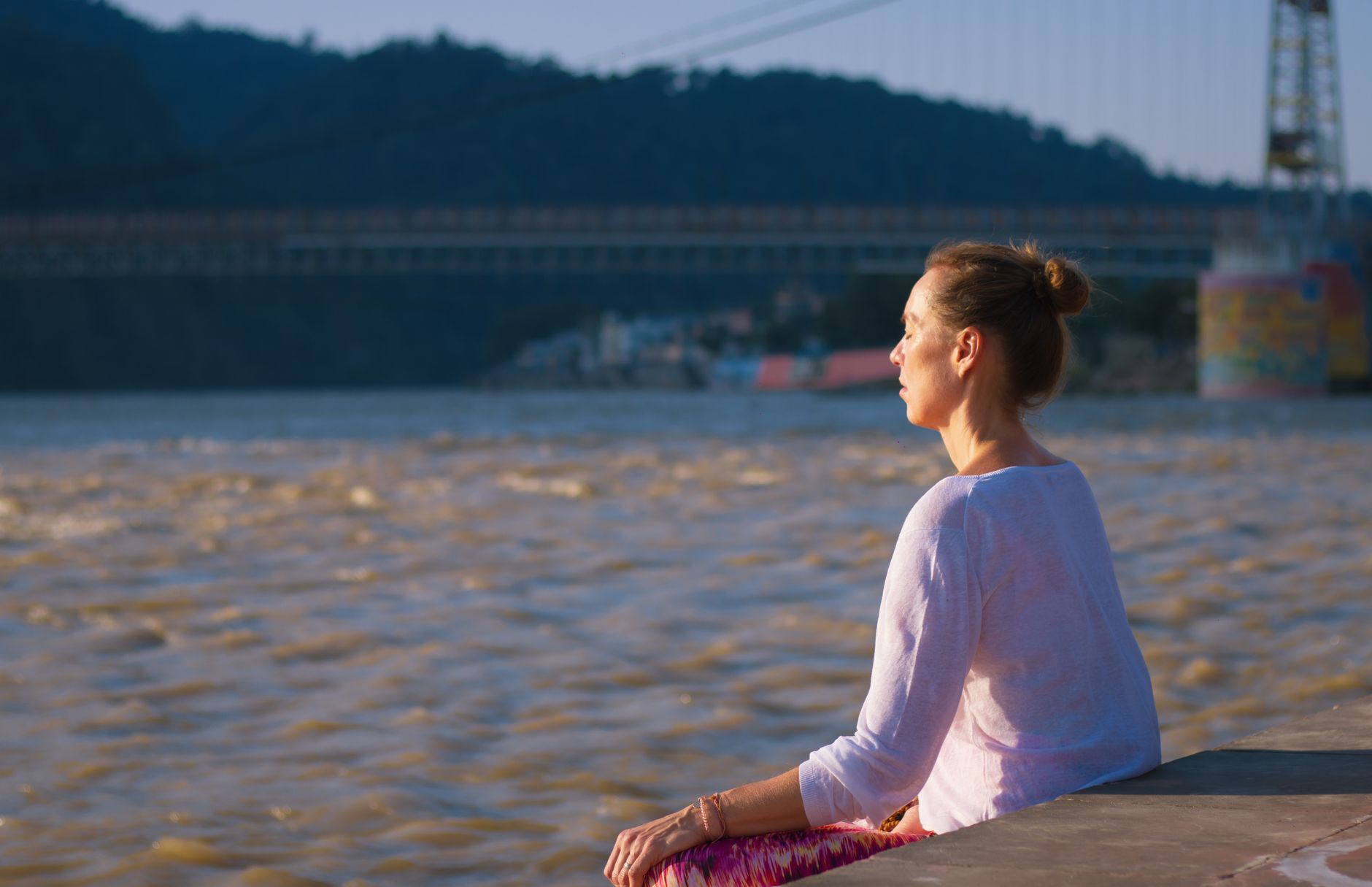
Quick Answer: Best Time to Visit Rishikesh
Rishikesh Seasons at a Glance
| Season | Months | Temperature | Rafting | Crowd Level | Best For |
|---|---|---|---|---|---|
| Winter | Dec-Feb | 7-20°C | Available | Moderate | Yoga, Sightseeing |
| Spring | Mar-Apr | 15-35°C | Peak Season | High | Rafting, All Activities |
| Summer | May-Jun | 25-40°C | Limited | Low-Moderate | Yoga, Hill Escapes |
| Monsoon | Jul-Sep | 22-32°C | Suspended | Very Low | Budget Travel |
| Autumn | Oct-Nov | 15-28°C | Peak Season | High | Everything |
Peak Season: September to November
Late September to October: Optimal Conditions
Rainfall: Decreasing
Rafting: Peak Season Resumes
Crowd Level: High
The period from late September through October represents Rishikesh at its finest, with monsoon rains retreating, the Ganges running with thrilling rafting flows, and temperatures reaching comfortable levels ideal for all activities. The river achieves optimal conditions for white-water rafting as monsoon waters subside to manageable levels while maintaining sufficient flow for exciting rapids. Rafting operators resume full operations, and the riverside camps reopen after monsoon closure.
The landscape retains monsoon greenery while skies clear for spectacular views of the forested hillsides and distant Himalayan peaks. The combination of visual beauty and activity availability makes this period particularly attractive for adventure tourism. Yoga programs continue year-round, but the comfortable temperatures make outdoor practice particularly pleasant during this period.
Dussehra and Diwali festivals typically fall during this period (dates vary annually), bringing cultural festivities that add spiritual dimension to visits while also increasing crowds and accommodation demand. The combination of festivals, optimal weather, and peak rafting season makes advance booking essential for quality accommodation. Prices rise from monsoon lows but remain below peak season levels.
Peak Rafting
Pleasant Weather
Festival Season
High Demand
November: Extended Excellence
Rainfall: Minimal
Rafting: Excellent
Crowd Level: Moderate-High
November continues excellent conditions with cooling temperatures, stable weather, and continued rafting availability as the river maintains good flow levels before winter reduction. The cooler temperatures make all outdoor activities more comfortable, from morning yoga sessions to afternoon rafting expeditions to evening Ganga Aarti ceremonies at Triveni Ghat and Parmarth Niketan.
International visitor numbers typically increase during November as the combination of favorable weather and off-peak pricing in destination countries aligns with Rishikesh’s optimal conditions. Yoga teacher training programs see strong enrollment, with many international students timing courses to coincide with pleasant weather. The ashrams report good occupancy without the overwhelming crowds of peak pilgrimage periods.
Late November sees temperatures dropping further, with mornings becoming distinctly cool and requiring warm layers. The transition toward winter character begins but doesn’t yet significantly affect activity availability or comfort. This month offers excellent balance of conditions, availability, and value for visitors with flexible timing.
Excellent Weather
Good Rafting
Yoga Season
International Visitors
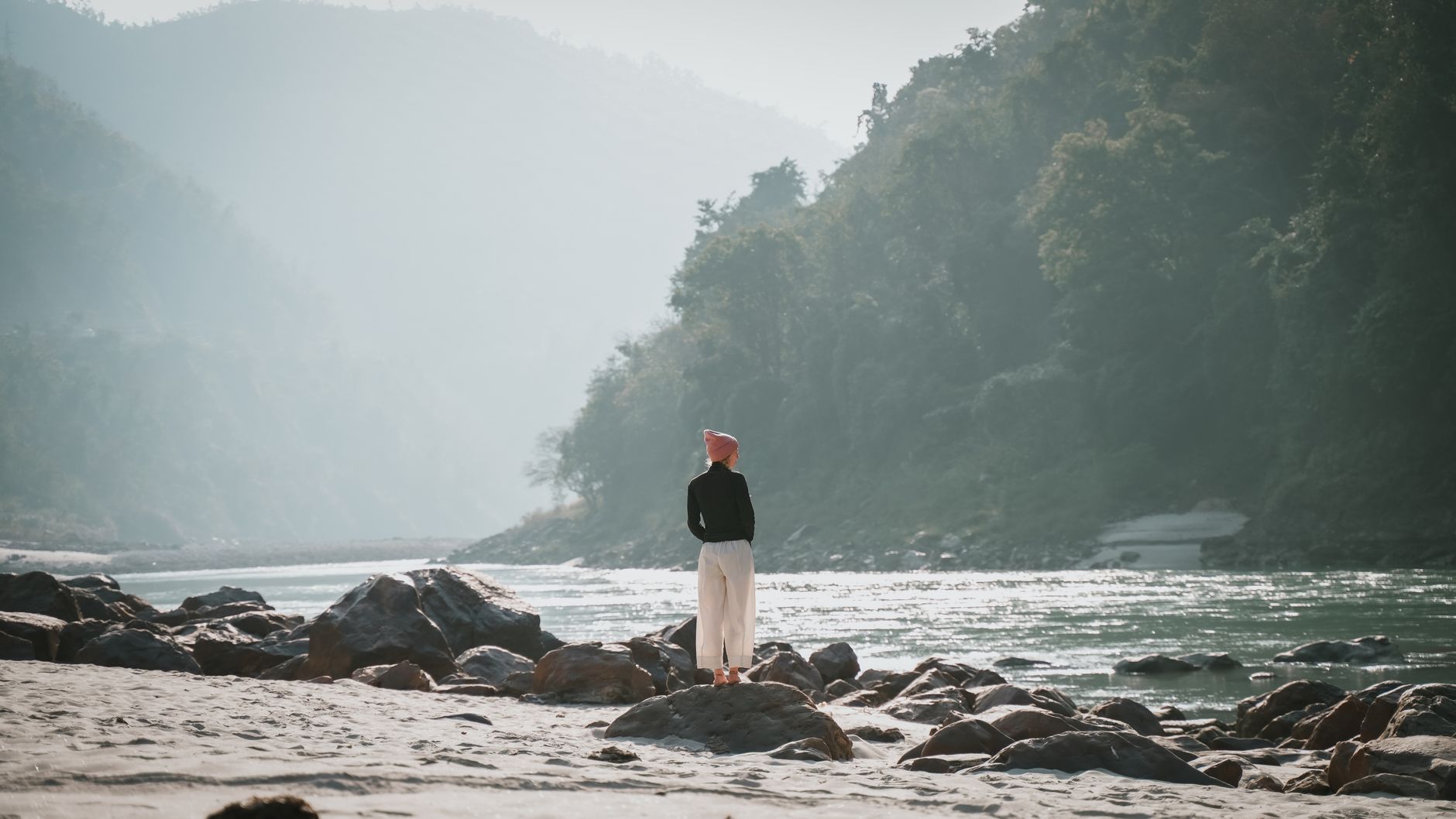
Winter Season: December to February
December: Cool and Comfortable
Rainfall: Rare
Rafting: Available
Crowd Level: Moderate
December brings winter character to Rishikesh, with distinctly cool temperatures particularly during morning and evening hours, while midday sunshine provides comfortable warmth for outdoor activities. The clear winter skies offer spectacular views of the snow-capped Himalayan peaks visible in the distance, creating photogenic conditions that differ from other seasons. Rafting continues though water levels drop, with rapids becoming less intense but still enjoyable.
Christmas and New Year period sees tourist influx, with both domestic holiday travelers and international visitors seeking spiritual New Year experiences. The famous Beatles Ashram (Chaurasi Kutia) and other sites see increased traffic, and accommodation in Laxman Jhula and Tapovan areas fills quickly during the holiday period. Advance booking becomes essential for the final two weeks of December.
Winter temperatures require warmer clothing than many visitors anticipate, particularly for early morning activities including sunrise yoga and meditation. The contrast between cold early mornings and pleasant midday temperatures makes layering essential. Evening Ganga Aarti ceremonies take on special character as devotees gather with warm shawls while incense smoke rises against darkening skies.
Winter Weather
Holiday Crowds
Himalayan Views
Warm Layers Needed
January and February: Cold but Clear
Rainfall: Occasional
Rafting: Lower Intensity
Crowd Level: Low-Moderate
January and February represent Rishikesh’s coldest period, with temperatures dropping significantly particularly at night and in early morning hours. The cold can surprise visitors from warmer regions and significantly affects comfort for outdoor activities. However, the clear winter conditions provide excellent visibility for Himalayan views, and the reduced crowds create more peaceful experiences at ashrams and sacred sites.
Rafting continues with reduced intensity as lower water levels create gentler rapids suitable for beginners while limiting thrills for experienced rafters seeking challenging waters. The river takes on particularly beautiful character with clear blue-green water reflecting winter light differently than monsoon-swollen flows. Camping along the river requires appropriate sleeping gear for cold nights.
Yoga and spiritual practices continue throughout winter, with many practitioners finding the contemplative atmosphere of cold-season Rishikesh particularly conducive to deep practice. The Mahashivratri festival (typically February-March) brings significant pilgrimage activity honoring Lord Shiva, with the event carrying particular significance in this sacred city. Planning visits around Mahashivratri requires advance preparation for accommodation and crowds.
Coldest Season
Clear Skies
Mahashivratri
Peaceful Ashrams
Spring Season: March to May
March to April: Prime Time
Rainfall: Minimal
Rafting: Excellent
Crowd Level: High
Spring brings warming temperatures and resumed rafting peak season as the Ganges achieves ideal flow levels from Himalayan snowmelt that creates exciting rapids without dangerous flood conditions. Temperatures reach comfortable levels ideal for outdoor activities including rafting, trekking, bungee jumping, and cliff camping. The riverside camps operate at full capacity, and adventure tourism reaches its seasonal peak.
Holi celebrations (typically March, dates vary) bring colorful festivities to Rishikesh, with celebrations at the river ghats creating unique experiences that blend spiritual tradition with vibrant celebration. International Yoga Festival held annually in March at Parmarth Niketan Ashram draws yoga practitioners from worldwide for a week of intensive practice, lectures, and spiritual experiences.
The combination of excellent weather, peak rafting, and major events makes March-April among the busiest periods in Rishikesh. Accommodation prices reach seasonal peaks, and advance booking becomes essential. Traffic increases on the narrow roads connecting various areas, and the popular riverside locations become crowded during peak hours. Despite the congestion, the conditions justify the crowds for many visitors.
Peak Rafting
Holi Festival
Yoga Festival
Maximum Crowds
May to Mid-June: Pre-Monsoon Heat
Rainfall: Pre-Monsoon Showers
Rafting: Ending Season
Crowd Level: Moderate
Summer heat arrives in earnest by May, with temperatures climbing toward uncomfortable levels during midday hours while mornings and evenings remain pleasant. The heat drives many visitors to higher-altitude destinations, reducing crowds but not eliminating tourism entirely. Yoga programs continue year-round, with ashrams providing relatively cool environments for practice even when outside temperatures soar.
Rafting season typically ends in mid-June as water levels begin rising with pre-monsoon rains and early snowmelt that create dangerous conditions. Operators suspend activities for the monsoon period, not resuming until September when flows stabilize. Visitors specifically seeking rafting should plan for earlier months when the activity operates reliably.
Pre-monsoon weather brings occasional thunderstorms that provide temporary relief from heat while also disrupting outdoor activities. The Ganges changes character as water levels rise and color shifts from clear blue-green toward turbid monsoon flows. This transitional period offers lower prices and fewer crowds but increasingly limited activity options.
Hot Weather
Rafting Ending
Pre-Monsoon
Lower Prices

Monsoon Season: July to September
July to August: Monsoon Peak
Rainfall: Heavy
Rafting: Suspended
Crowd Level: Very Low
Monsoon transforms Rishikesh with heavy rainfall that continues for extended periods, swelling the Ganges to dangerous flood levels and suspending all adventure activities while creating a dramatically different atmosphere from dry-season experiences. The river becomes a brown torrent that occasionally floods riverside areas, forcing evacuation of camps and threatening low-lying structures. Landslides on surrounding roads occasionally disrupt travel connections.
Tourism drops to annual minimums, with adventure-focused visitors absent and only spiritual seekers and extreme budget travelers remaining. Ashrams continue operating, and yoga programs proceed indoors when rain prevents outdoor practice. The reduced crowds create intensely peaceful experiences for those focused on spiritual practice rather than activities. Some practitioners specifically choose monsoon for the undisturbed meditation opportunities.
Prices reach annual lows as businesses compete for the few remaining visitors. Accommodation that commands premium rates during peak season offers significant discounts. However, the limited activity options, travel challenges, and pervasive dampness make monsoon unsuitable for most visitors. The dramatic greenery and powerful river do offer unique photographic opportunities for those willing to accept the conditions.
Heavy Monsoon
No Rafting
Flood Risk
Budget Prices
Early September: Monsoon Retreat
Rainfall: Decreasing
Rafting: Resuming
Crowd Level: Low
September sees monsoon retreating with decreasing rainfall and gradually improving conditions that allow adventure tourism to resume. The river levels drop from flood peaks, and operators begin assessing conditions for rafting resumption that typically occurs mid-to-late September depending on specific weather patterns. The landscape retains maximum monsoon greenery while accessibility improves progressively.
Early September can still see significant rain, requiring flexibility from visitors. As the month progresses, conditions improve steadily, with late September typically offering reliable activity availability and good weather. The transition period offers value-minded visitors opportunities to experience improving conditions before peak-season pricing fully establishes.
Tourism begins recovering as word spreads that conditions allow activity resumption. The riverside camps reopen progressively, and adventure operators resume full programming. Yoga programs continue seamlessly through the transition, with improving outdoor conditions enhancing practice experiences. This month suits flexible visitors willing to monitor conditions and adjust plans accordingly.
Monsoon Ending
Activities Resuming
Good Value
Green Landscapes
Best Time for Different Activities
- White-water rafting: September-November and March-May for peak flows
- Yoga retreats: Year-round, but October-March for ideal weather
- Bungee jumping: October-May when operations are reliable
- Camping: October-November and February-April for comfortable nights
- Photography: October-November for green landscapes with clear skies
- Budget travel: July-August for lowest prices
- Spiritual experiences: Year-round, with Mahashivratri and Ganga Dussehra as highlights
- Beatles Ashram visit: October-March for comfortable exploration
Frequently Asked Questions About Visiting Rishikesh
What is the best month to visit Rishikesh for rafting?
October offers the best combination of good water levels, exciting rapids, and pleasant weather for rafting. March-April also provides excellent conditions with snowmelt flows. Late September sees season resumption with high energy flows, while November-February have lower intensity rapids suitable for beginners.
When is rafting closed in Rishikesh?
Rafting is typically suspended from mid-June through mid-September during monsoon when dangerous flood conditions make river activities impossible. The exact closure and reopening dates depend on specific weather conditions each year. Operators resume when authorities deem water levels safe.
Is Rishikesh too hot in summer?
May-June temperatures reaching 35-40°C can be uncomfortable, particularly for outdoor activities during midday hours. However, mornings and evenings remain pleasant, and indoor yoga facilities provide cooled environments. Many visitors combine Rishikesh with nearby hill stations during summer months.
What should I wear in Rishikesh?
Modest clothing is appropriate given Rishikesh’s spiritual character. Women should avoid revealing clothing at ashrams and temples. Summer requires light, breathable fabrics. Winter requires warm layers, particularly for mornings. Monsoon needs waterproof gear. Comfortable walking shoes suit the hilly terrain and temple stairs.
How crowded is Rishikesh?
Peak crowding occurs during major festivals (Holi, Diwali, Mahashivratri), the International Yoga Festival (March), and Indian holiday periods. October-November sees high tourism that remains manageable. Monsoon brings minimal crowds. The Laxman Jhula and Ram Jhula areas concentrate most tourist activity and congestion.
Planning your Rishikesh visit requires balancing activity interests with seasonal conditions that dramatically affect what experiences are available. For more information, explore our guides to places to visit in Rishikesh, best ashrams in Rishikesh, things to do in Rishikesh, and Rishikesh trip cost.
Ready to Plan Your Rishikesh Trip?
Book your perfect Rishikesh accommodation now and start planning your spiritual or adventure journey.