Manali stands as one of India’s most beloved hill stations, drawing visitors year-round with its dramatic mountain scenery, adventure sports opportunities, and pleasant escape from lowland heat. This Kullu Valley gem at 2,050 meters elevation offers dramatically different experiences across seasons, from snow-covered winter wonderland to lush green summer paradise to colorful autumn splendor. Understanding the best time to visit Manali requires matching your specific interests with seasonal conditions that determine available activities, weather comfort, and overall experience quality.
This comprehensive guide examines Manali’s seasonal patterns month by month, analyzing weather conditions, activity availability, crowd levels, and pricing trends to help you choose the perfect time for your Himalayan adventure. Whether you seek snow experiences, summer trekking, monsoon greenery, or autumn colors, understanding when each opportunity peaks ensures your visit delivers the experiences you envision.

Quick Answer: Best Time to Visit Manali
Manali Seasons at a Glance
| Season | Months | Temperature | Weather | Crowd Level | Pricing |
|---|---|---|---|---|---|
| Winter | Dec-Feb | -7 to 10°C | Snow, Cold | Moderate-High | High |
| Spring | Mar-Apr | 5-20°C | Pleasant, Some Snow | Moderate | Moderate |
| Summer | May-Jun | 10-25°C | Pleasant, Clear | Very High | Highest |
| Monsoon | Jul-Sep | 12-20°C | Rainy, Landslides | Low | Lowest |
| Autumn | Oct-Nov | 5-15°C | Clear, Cool | Moderate | Moderate |
Winter Season: December to February
December: Snow Season Begins
Snowfall: Common
Rohtang Pass: Closed
Crowd Level: High
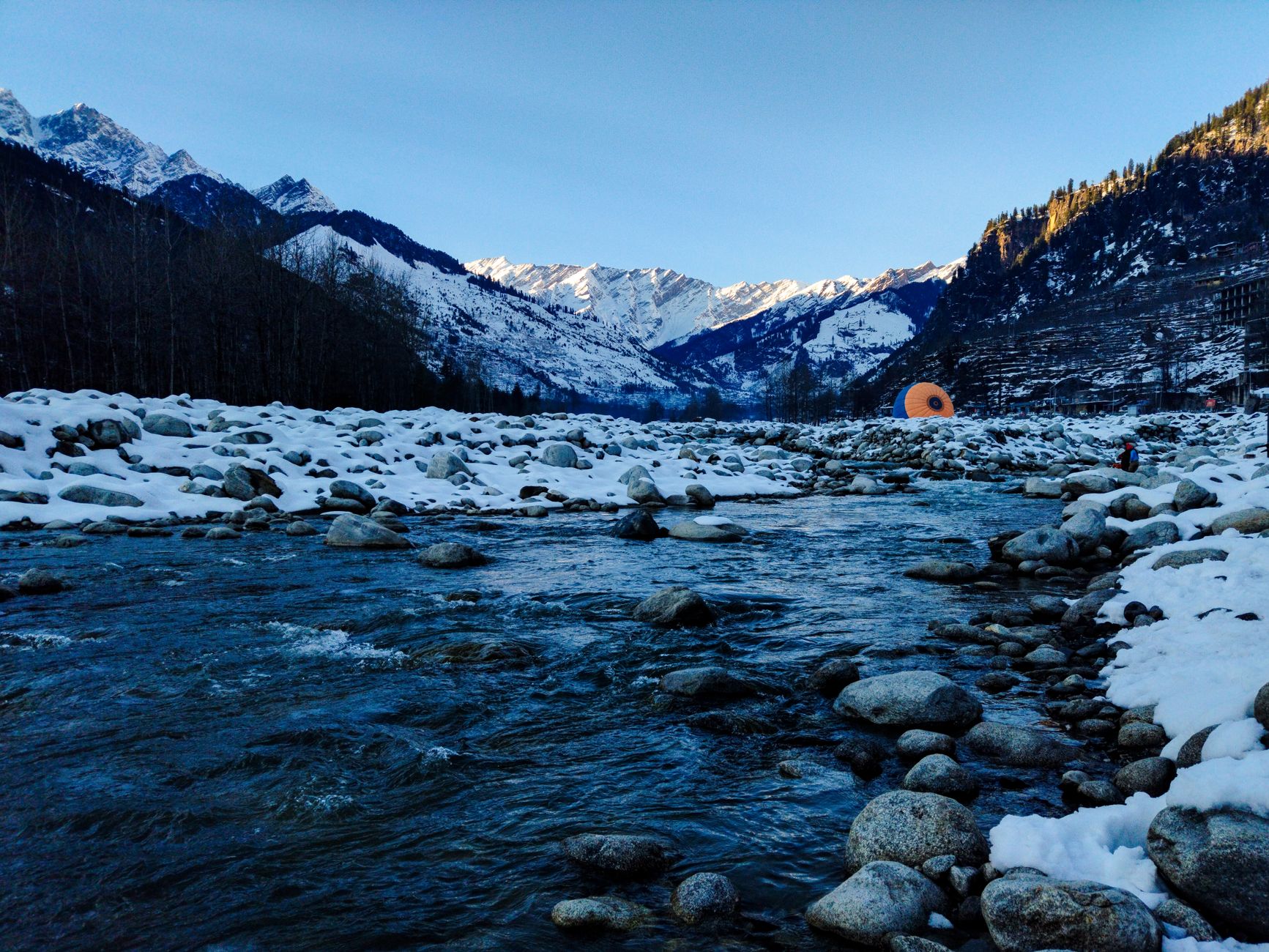
December transforms Manali into a winter wonderland that draws visitors seeking snow experiences rarely accessible elsewhere in India. Snowfall typically begins in earnest this month, covering the valley and surrounding mountains in white while creating the magical atmosphere that defines winter Manali. Temperatures drop significantly, with nights often below freezing and daytime temperatures rarely exceeding 10°C. Proper winter clothing becomes essential rather than optional.
The Christmas and New Year period sees significant tourist influx, with couples, families, and groups arriving to celebrate amid snow-covered scenery. Accommodation prices reach winter peaks during the holiday period, with popular properties booking out well in advance. Solang Valley becomes the center of snow activity, with skiing, snowboarding, and snow tubing available when conditions permit. The accessibility of snow experiences without requiring technical mountaineering makes December Manali popular among first-time snow visitors.
Rohtang Pass closes for the season, typically by late October or November, remaining inaccessible until May or June depending on snowfall intensity. However, Atal Tunnel provides year-round access to Lahaul Valley beyond Rohtang, opening new possibilities for winter visitors. The tunnel journey offers dramatic emergence from enclosed passage into snow-covered landscapes. Road conditions can become challenging during active snowfall, occasionally requiring chains or temporary closures.
Snow Season
Christmas Crowds
Solang Activities
Cold Weather
January: Peak Winter
Snowfall: Frequent
Rohtang Pass: Closed
Crowd Level: Moderate-High
January represents Manali’s coldest month, with temperatures dropping to their annual lows and snowfall reaching maximum frequency. The landscape achieves full winter character with deep snow accumulation transforming every scene into winter postcard imagery. Morning temperatures frequently drop below -5°C, with even afternoon temperatures remaining cold enough to maintain snow cover throughout the valley.
Snow activities at Solang Valley reach peak operation, with skiing and snowboarding available when conditions permit and snow play activities including tubing and sledding accessible to all visitors. The quantity and quality of snow typically exceeds December and February, making January optimal for visitors specifically seeking snow experiences. However, the extreme cold requires serious winter clothing that many Indian tourists underestimate.
Post-New Year, crowds moderate somewhat while snow conditions often improve, creating a potentially optimal window for snow-focused visits. Accommodation prices remain elevated but decline from holiday peaks. Road conditions require careful attention, with chains sometimes necessary and occasional closures during heavy snowfall. The dramatic beauty of the snow-covered valley rewards those willing to embrace the cold.

Coldest Month
Maximum Snow
Skiing Peak
Extreme Cold
February: Winter Continues
Snowfall: Common
Rohtang Pass: Closed
Crowd Level: Moderate
February maintains winter conditions while seeing gradual improvement in temperatures, with snow remaining common though typically less intense than January’s peak. The valley retains snow cover, and Solang Valley activities continue operating, making this month a good alternative for snow seekers who prefer slightly milder conditions. Days begin lengthening noticeably, providing more comfortable daylight hours for sightseeing and activities.
Crowds thin compared to the December-January peak, creating more comfortable visiting conditions with improved accommodation availability and potential for negotiated pricing. The snow remains sufficient for activities while extreme cold moderates somewhat. This month often provides excellent balance between snow experience quality and visitor comfort for those flexible on timing.
Late February may see the earliest hints of spring transition, with lower elevations occasionally showing snowmelt on sunny days while higher areas maintain full winter character. The approaching spring brings increasing sunlight and gradually warming afternoon temperatures that make outdoor time more comfortable while snow remains abundant in shaded and elevated areas.
Good Snow
Moderate Crowds
Improving Weather
Good Value
Spring Season: March to April
March: Spring Transition
Snowfall: Occasional
Rohtang Pass: Usually Closed
Crowd Level: Moderate
March brings spring transition to Manali, with snowmelt beginning in lower areas while higher elevations retain significant snow cover. Temperatures rise noticeably, with pleasant daytime conditions emerging while nights remain cold. The combination of lingering snow at higher elevations with spring awakening in the valley creates diverse photo opportunities capturing multiple seasons within single frames.
Snow activities at Solang Valley continue through much of March, though conditions become increasingly variable as temperatures rise. Late March may see activity closures as snow quality declines, making early March better for those combining snow interest with improving weather. The transition period can be unpredictable, requiring flexibility in expectations.
Apple orchards throughout Kullu Valley begin blooming in late March, creating pink and white displays that define spring Himachal. The flowering period depends on specific weather patterns each year but typically peaks in late March to early April. Rohtang Pass typically remains closed, with opening dates dependent on snow clearance that usually occurs in May.
Spring Transition
Apple Blossoms
Variable Snow
Pleasant Days
April: Spring Establishes
Rainfall: Light
Rohtang Pass: Usually Closed
Crowd Level: Moderate-High
April establishes spring conditions throughout Manali, with pleasant temperatures, flowering vegetation, and snow receding to higher elevations creating ideal conditions for general sightseeing and early-season outdoor activities. Daytime temperatures reach comfortable levels that allow extended outdoor exploration without either excessive cold or heat. The valley achieves peak spring beauty with green emergence and continued flowering.
Snow activities typically end by mid-April as remaining snow at accessible elevations melts, though snow-capped peaks remain visible throughout. The focus shifts from snow play to general sightseeing, temple visits, and anticipation of high-altitude access. Crowds build as summer vacation periods approach and weather reaches optimal conditions.
Rohtang Pass may begin opening in late April depending on snow clearance progress, though early openings see limited permit availability as authorities manage safety concerns. The pass opening represents a major seasonal milestone that significantly affects visitor activities and travel patterns. Trekking trails at lower elevations begin opening as snow clears, providing early options for hiking enthusiasts.
Pleasant Weather
Spring Beauty
Pre-Summer
Early Trekking
Summer Season: May to June
May: Peak Season Begins
Rainfall: Occasional
Rohtang Pass: Open (Permits Required)
Crowd Level: Very High
May marks the beginning of Manali’s peak tourist season, with Rohtang Pass opening, pleasant temperatures drawing heat-escaping lowlanders, and school summer holidays bringing family travel. The weather reaches near-optimal conditions with warm, pleasant days and cool, comfortable nights that make both outdoor activities and general relaxation enjoyable. The combination of excellent weather and maximum accessibility creates Manali’s busiest period.
Rohtang Pass opening transforms visitor patterns, with the dramatic drive over the 3,978-meter pass becoming the primary attraction drawing the majority of visitors. Permit systems limit daily vehicle numbers, requiring advance booking that can prove challenging during peak demand periods. Snow play areas beyond the pass attract crowds seeking snow experiences during summer months, creating scenes of winter activity amid sunny conditions.
Accommodation prices reach annual peaks as demand exceeds supply during concentrated visitor periods. Advance booking becomes essential for quality properties, with last-minute arrivals facing limited options at inflated prices. Traffic congestion increases significantly, particularly on Rohtang Road where permit-bearing vehicles compete with regular traffic. Despite the crowds, the combination of optimal weather and maximum accessibility makes May highly popular.
Peak Season
Rohtang Open
Maximum Crowds
Best Weather
June: Summer Peak
Rainfall: Pre-Monsoon Showers
Rohtang Pass: Open (Permits Required)
Crowd Level: Very High
June continues peak season conditions with maximum crowds, warmest temperatures, and full activity availability before monsoon arrival. School holidays throughout India drive family travel that makes accommodation and activity booking challenging without significant advance planning. Temperatures reach annual highs while remaining comfortable by lowland standards, providing effective escape from plains heat that exceeds 40°C in much of North India.
Pre-monsoon weather patterns may bring afternoon showers that typically clear quickly without significantly disrupting activities. The greenery reaches peak intensity as vegetation matures before monsoon enhancement. Trekking trails achieve optimal conditions with snow cleared from all but the highest routes while temperatures remain comfortable for extended hiking. Popular treks including Hampta Pass and Beas Kund see maximum traffic.
Late June may see early monsoon arrival that begins affecting conditions, typically starting in the final week. The transition period brings increasing cloud cover and humidity that signals the approaching wet season. Visitors in late June should monitor weather forecasts and maintain flexibility for potential monsoon-related disruptions.
Peak Season Continues
Maximum Activity
Pre-Monsoon Showers
Trekking Season
Monsoon Season: July to September
July and August: Monsoon Peak
Rainfall: Heavy
Rohtang Pass: Open (Weather Permitting)
Crowd Level: Low
Monsoon brings dramatic transformation to Manali, with heavy rainfall, lush greenery, and significantly reduced tourism creating conditions that attract only specific visitor types. Rainfall occurs frequently, ranging from gentle showers to heavy downpours that can last hours. The landscape achieves maximum green intensity as forests and meadows reach peak moisture-driven growth. Waterfalls throughout the region swell dramatically, creating impressive displays invisible during dry seasons.
Landslides pose significant hazards during monsoon, occasionally blocking roads including the highway connecting Manali with Kullu and beyond. Travel plans require flexibility and awareness that closures can strand visitors for hours or occasionally longer. The Rohtang Pass road becomes particularly vulnerable to landslide activity, and crossings may be suspended during active weather regardless of permit status. Local travel within Manali remains generally possible, but extended journeys carry risk.
Tourism drops dramatically during monsoon, with many activities suspended and some accommodations offering significant discounts to attract remaining visitors. The reduced crowds create more peaceful experiences for those willing to accept weather limitations. Pricing reaches annual lows, potentially offsetting the reduced activity availability for budget-conscious visitors. Monsoon suits those seeking green landscapes, waterfall experiences, and peaceful atmosphere rather than typical tourist activities.
Monsoon Rains
Landslide Risk
Lush Greenery
Low Prices
September: Monsoon Retreat
Rainfall: Decreasing
Rohtang Pass: Open
Crowd Level: Low-Moderate
September sees monsoon withdrawing with decreasing rainfall and improving conditions that begin attracting visitors back after the wet season pause. Early September may still see significant rain as monsoon makes its final push, but conditions typically improve progressively through the month. The landscape retains monsoon greenery while skies clear increasingly, creating photogenic conditions combining lush vegetation with emerging views.
Tourism begins recovering as conditions improve, with trekkers particularly attracted to the post-monsoon window that combines clear skies with snow-free trails before winter arrival. Popular treks see renewed activity, though trail conditions may require caution as monsoon damage gets cleared. The combination of improving weather and reduced crowds compared to peak season makes September attractive for activity-focused visitors.
Rohtang Pass and other high-altitude destinations become more reliably accessible as weather stabilizes, though pre-winter snow can begin appearing at the highest elevations late in the month. The transition character of September means conditions can vary significantly from year to year and week to week, requiring flexibility and current information for trip planning.
Monsoon Ending
Improving Weather
Trekking Returns
Good Value
Autumn Season: October to November
October: Autumn Glory
Rainfall: Minimal
Rohtang Pass: Open (Until Closure)
Crowd Level: Moderate
October brings autumn’s spectacular colors to Manali, with deciduous trees transforming the landscape into displays of gold, orange, and red that make this month a photographer’s paradise. Clear skies following monsoon provide exceptional visibility for mountain views, with snow-capped peaks standing sharply against blue backgrounds. The combination of autumn colors, clear weather, and moderate temperatures creates arguably Manali’s most photogenic period.
Dussehra celebrations bring cultural festivities particularly significant in Kullu, where the week-long Kullu Dussehra festival draws thousands of participants and visitors for processions, deity gatherings, and traditional celebrations. Planning visits around this festival requires advance accommodation booking while offering unique cultural experiences unavailable at other times.
Rohtang Pass typically remains accessible through most of October, though increasing cold at altitude and potential early snowfall can affect conditions. The window for high-altitude access narrows as winter approaches, making early October better for those prioritizing Rohtang visits. Temperatures drop significantly from summer levels, requiring warmer clothing particularly for morning and evening activities.
Autumn Colors
Clear Skies
Kullu Dussehra
Photography Peak
November: Pre-Winter Transition
Snowfall: Possible Late Month
Rohtang Pass: Closed
Crowd Level: Low
November sees Manali transitioning toward winter, with Rohtang Pass typically closing mid-month and temperatures dropping significantly while the first snowfall of the season remains possible. The landscape sheds remaining autumn foliage as trees prepare for winter dormancy, creating stark beauty different from the lush seasons but compelling in its own right. Clear skies often provide exceptional mountain views as pre-winter conditions establish.
Tourism drops substantially after Rohtang closure removes the primary attraction for mainstream visitors. Accommodation availability improves dramatically with corresponding price reductions from peak levels. The reduced crowds create peaceful experiences for visitors focused on Manali itself rather than high-altitude excursions. Solang Valley remains accessible, though snow activities typically await December accumulation.
Late November may see the first significant snowfall, potentially beginning the transition to winter season conditions that characterize December through February. The timing varies annually based on weather patterns, with some years seeing early snow while others remain dry into December. This transitional month suits visitors seeking quiet experiences who don’t require either snow activities or high-altitude access.
Pre-Winter
Rohtang Closes
Low Crowds
Good Value
Best Time for Different Activities
- Snow experiences: December to February for maximum snow
- Rohtang Pass visit: May to October when pass is open
- Trekking: May-June and September-October for optimal conditions
- Photography: October for autumn colors and clear skies
- Budget travel: July-September for lowest prices
- Honeymoon: April-May or September-October for pleasant weather and romance
- Family with children: May-June during school holidays
- Adventure sports: May-June when all activities operate
Frequently Asked Questions About Visiting Manali
Which is the best month to visit Manali for snowfall?
January typically sees maximum snowfall and best snow quality, though December and February also offer good snow experiences. Snow activities at Solang Valley operate throughout winter when conditions permit. January’s extreme cold requires proper winter gear that many visitors underestimate.
When does Rohtang Pass open and close?
Rohtang Pass typically opens in May (exact date depends on snow clearance) and closes in October-November when winter snow makes the road impassable. The Atal Tunnel now provides year-round access to Lahaul Valley beyond Rohtang, reducing dependency on the pass for that destination. Permits are required for private vehicles crossing Rohtang.
Is Manali safe to visit during monsoon?
Monsoon brings landslide risks that can disrupt travel, occasionally stranding visitors when roads close. The highway from Chandigarh and roads within the region become vulnerable during heavy rains. Travel is possible but requires flexibility, current information, and willingness to modify plans. Those with tight schedules should avoid July-August.
How crowded is Manali during peak season?
May-June sees maximum crowds with hotel shortages, traffic congestion, and activity queues that can significantly impact experience quality. Advance booking (2-4 weeks minimum) is essential for accommodation. Christmas-New Year week also sees high crowds. October and March-April offer better balance of conditions and crowds.
What clothes should I pack for Manali?
Summer (May-June): Light layers, light jacket for evenings. Monsoon (July-Sep): Rain gear, waterproof footwear. Autumn (Oct-Nov): Warm layers, jacket, warm accessories. Winter (Dec-Feb): Heavy winter gear including thermal underwear, down jacket, gloves, hat, warm boots. Layering allows adjustment for rapid temperature changes.
Planning your Manali trip requires matching your specific interests with seasonal conditions that vary dramatically throughout the year. For more information, explore our guides to places to visit in Manali, best hotels in Manali, things to do in Manali, and Manali trip cost.
Ready to Plan Your Manali Trip?
Book your perfect Manali accommodation now and start planning your Himalayan adventure.