Ooty, officially Ootacamund and affectionately known as the Queen of Hill Stations, draws visitors year-round to its tea gardens, botanical wonders, and pleasant climate that provides escape from South India’s tropical heat. This Nilgiri Hills gem at 2,240 meters elevation maintains relatively consistent temperatures throughout the year, making it accessible in any season while still offering distinct seasonal experiences. Understanding the best time to visit Ooty requires matching your preferences for weather, crowds, and specific attractions with seasonal patterns that affect the overall experience.
This comprehensive guide examines Ooty’s seasonal patterns month by month, analyzing weather conditions, crowd levels, special events, and activity availability to help you choose the perfect timing for your Nilgiri adventure. Whether you seek the summer flower shows that made Ooty famous, the monsoon greenery that transforms the hills, or the quiet winter charm of the off-season, understanding seasonal variations ensures your visit delivers the hill station experience you envision.
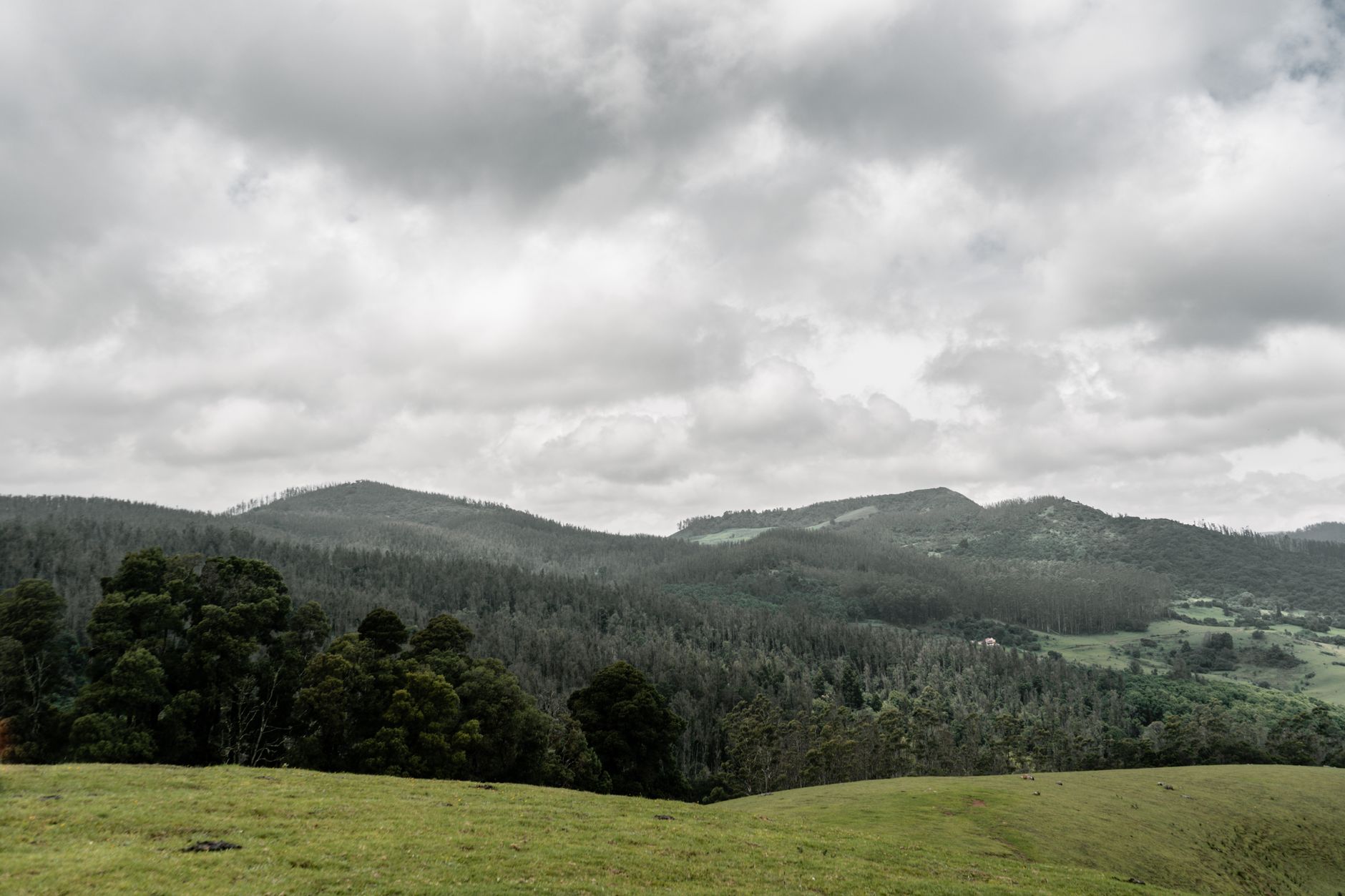
Quick Answer: Best Time to Visit Ooty
Ooty Seasons at a Glance
| Season | Months | Temperature | Rainfall | Crowd Level | Pricing |
|---|---|---|---|---|---|
| Summer | Mar-Jun | 15-25°C | Low-Moderate | Very High | Highest |
| Monsoon | Jul-Sep | 12-18°C | Heavy | Low | Lowest |
| Post-Monsoon | Oct-Nov | 12-20°C | Moderate | Moderate | Moderate |
| Winter | Dec-Feb | 5-18°C | Low | Moderate-High | High |
Summer Season: March to June
March to April: Summer Begins
Rainfall: Occasional Showers
Crowd Level: Moderate-High
Spring brings warming temperatures and the beginning of Ooty’s peak tourism season as South Indian visitors escape lowland heat that makes coastal cities increasingly uncomfortable. The tea gardens achieve vibrant green from late-monsoon moisture while skies clear for improved visibility of the surrounding Nilgiri peaks. The famous Rose Garden and Botanical Gardens begin their spring displays, though the major flower show awaits May.
Early summer visitors find improving conditions before the peak-season rush, with pleasant temperatures ideal for outdoor exploration without the crowds that characterize April-June. The Nilgiri Mountain Railway (toy train) operates with increasing frequency as demand builds. Accommodation remains available without the advance booking pressure of peak months.
April brings significant temperature increases in the plains that drive tourism to Ooty and other hill stations. The destination begins filling with family vacationers seeking relief from 40°C+ lowland temperatures. Easter holidays concentrate additional traffic for those traveling with children. Prices begin climbing toward peak levels.
Pleasant Weather
Building Crowds
Garden Beauty
Pre-Peak Prices
May to June: Peak Season
Rainfall: Pre-Monsoon Possible
Crowd Level: Maximum
May and June represent Ooty’s absolute peak season, driven by school summer holidays and the famous Ooty Flower Show that transforms the Government Botanical Gardens into a spectacular display drawing lakhs of visitors annually. The flower show, typically held in late May, features elaborate flower arrangements, rare specimens, and garden installations that represent the year’s horticultural achievements. Planning visits around this event requires booking accommodation months in advance.
Summer temperatures remain comfortable by any standard, rarely exceeding 25°C even during peak afternoon hours. The contrast with plains temperatures exceeding 40°C makes Ooty’s cool climate particularly attractive to South Indian visitors seeking respite from heat that makes normal outdoor activities impossible. This temperature differential drives the tourism concentration that makes these months the busiest and most expensive.

Pre-monsoon weather may bring afternoon thundershowers, particularly in June as monsoon approaches. These typically clear quickly and rarely disrupt full-day plans. The Toy Train operates at maximum capacity with advance booking essential for popular services. Crowds at major attractions including Ooty Lake, Botanical Gardens, and Doddabetta Peak reach annual maximums.
Flower Show
Maximum Crowds
Peak Prices
Best Weather
Monsoon Season: July to September
July to August: Heavy Monsoon
Rainfall: Heavy (400-500mm/month)
Crowd Level: Very Low
Monsoon dramatically transforms Ooty with heavy rainfall that shrouds the Nilgiris in mist and clouds while creating the lush greenery that defines the region’s character. The southwest monsoon brings sustained wet conditions that can include rain throughout the day, occasionally continuing for multiple days without significant breaks. Visibility often drops to minimal levels as clouds envelop the hills.
Tourism drops dramatically as outdoor activities become challenging and the scenic views that attract visitors disappear behind constant cloud cover. Viewpoints including Doddabetta offer little but mist, and tea garden visits become uncomfortable without proper rain gear. However, the same conditions that discourage tourism create uniquely atmospheric experiences for photographers and those specifically seeking monsoon scenery.
Prices reach annual minimums as accommodation providers compete for minimal remaining demand. Properties that require weeks of advance booking during summer become available at significant discounts. The dramatic reduction in visitors creates peaceful experiences at attractions that bustle during peak season. Those comfortable with rain and flexible expectations find value opportunities impossible during other periods.
Heavy Rains
Misty Conditions
Very Low Prices
Limited Views
September: Monsoon Retreat
Rainfall: Decreasing
Crowd Level: Low
September brings gradually improving conditions as monsoon intensity decreases, with more frequent breaks between showers and occasional clear periods that reveal the lush post-monsoon landscape. The hills achieve maximum greenery from monsoon nourishment, with tea estates, forests, and grasslands displaying vibrant colors that contrast with drier season browns. This transitional period offers improving conditions with continued low-season pricing.
Late September typically sees significant improvement, with increasing sunny periods and reducing cloud cover that begins restoring the scenic views visitors seek. The landscape retains monsoon freshness while accessibility improves progressively. Some consider this period optimal for photography as dramatic cloud formations combine with green landscapes and improving light conditions.
Tourism begins recovering cautiously as conditions improve, though many potential visitors remain deterred by monsoon reputation regardless of actual current conditions. This creates value opportunities for visitors with current weather information and flexible approaches. Prices begin rising from monsoon minimums but remain well below peak-season levels.
Improving Weather
Green Landscapes
Good Value
Recovery Season
Post-Monsoon and Winter: October to February
October to November: Post-Monsoon Beauty
Rainfall: Occasional (Northeast Monsoon)
Crowd Level: Moderate
Post-monsoon brings excellent conditions for Ooty visits, with monsoon-nourished landscapes, clearing skies, and comfortable temperatures creating ideal conditions for tea garden visits, nature walks, and scenic exploration. The Nilgiris retain peak greenery from monsoon while weather improves for reliable outdoor activities. Views from Doddabetta and other viewpoints become consistently rewarding.
The northeast monsoon brings occasional rainfall to the region during October-November, typically less intense than southwest monsoon but sufficient to maintain the green landscapes. These showers usually don’t prevent sightseeing and often add atmospheric beauty to the scenery. The unpredictable nature requires flexible planning but rarely causes significant disruption.
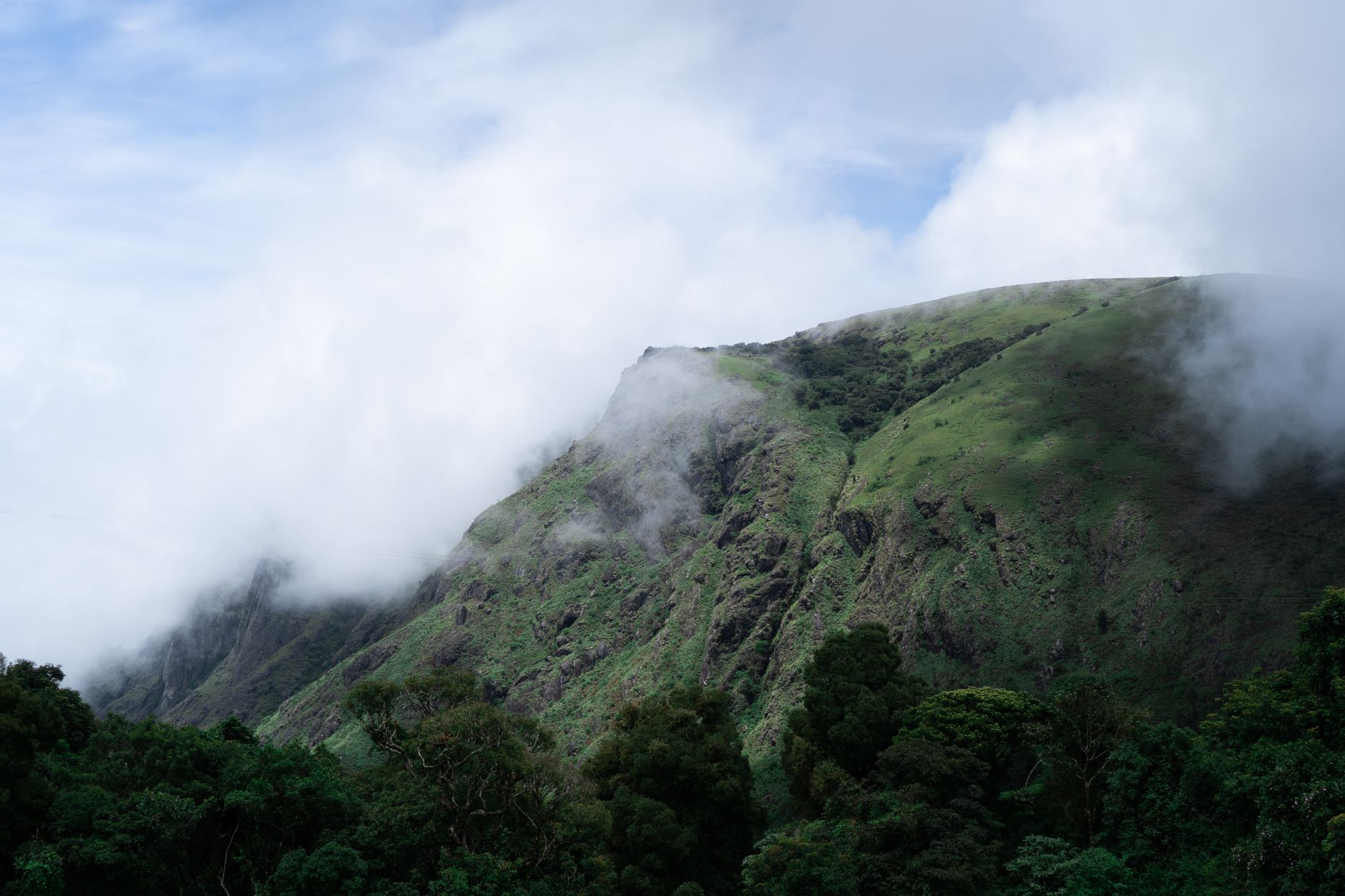
Tourism increases moderately as word spreads about improved conditions. Prices rise from monsoon lows while remaining below peak-season levels. This period offers excellent balance of conditions, crowds, and pricing that makes it popular among experienced travelers seeking optimal value.
Excellent Conditions
Green Scenery
Moderate Crowds
Good Value
December to February: Winter Season
Rainfall: Minimal
Crowd Level: Moderate-High
Winter brings the coldest temperatures to Ooty, with mornings often dropping below 10°C and occasional nights approaching 5°C that represent significant cold by South Indian standards. The clear winter skies provide excellent visibility for mountain views, and the crisp air creates atmospheric conditions many visitors find invigorating after humid lowland environments. Christmas and New Year holidays bring concentrated tourism that approaches summer intensity.
The cold weather surprises many visitors from tropical regions who underestimate Ooty’s high-altitude character. Warm clothing becomes essential rather than optional, particularly for early morning activities and evening outings. The contrast between sunny midday warmth and cold morning/evening temperatures requires layering strategies unfamiliar to those from consistently warm climates.
Winter prices climb during holiday periods but remain below summer peaks except during Christmas-New Year week. The Toy Train operates reliably, and clear conditions make the journey particularly scenic with visible valley vistas. Tea garden visits become comfortable with temperate conditions, and the botanical gardens maintain interest despite reduced flowering compared to spring.
Cold Weather
Clear Skies
Holiday Crowds
Warm Clothes Needed
Best Time for Different Experiences
- Flower shows: May for the annual Ooty Flower Show
- Tea garden visits: October-February for comfortable conditions
- Photography: October-November for green landscapes with clear skies
- Toy Train: Year-round, but book ahead during summer
- Budget travel: July-September for lowest prices
- Honeymoon: October-February for romantic weather
- Family vacation: April-June during school holidays
- Avoiding crowds: September-November, January-February
Frequently Asked Questions About Visiting Ooty
Which is the best month to visit Ooty?
May offers peak experiences with the annual Flower Show and summer weather, though crowds and prices are highest. October-November provides excellent balance of good weather, green landscapes, and moderate crowds. December-February suits those preferring cooler conditions with clear skies.
How cold does Ooty get in winter?
Winter temperatures can drop to 5-8°C at night and in early morning, with daytime temperatures around 15-18°C. This is significantly colder than what most South Indian visitors experience, requiring warm clothing that may need purchasing upon arrival if not brought from home.
Does it rain heavily in Ooty during monsoon?
Yes, July-August sees heavy rainfall averaging 400-500mm per month. Rain can continue for extended periods with constant cloud cover that limits visibility. September sees decreasing intensity as monsoon retreats. Visitors should be prepared for indoor alternatives during peak monsoon.
When is the Ooty Flower Show held?
The annual Ooty Flower Show is typically held in the third week of May at the Government Botanical Gardens. Exact dates vary annually and should be confirmed when planning. The event draws enormous crowds requiring accommodation booking months in advance.
Is Ooty crowded throughout the year?
Ooty sees significant crowding during April-June (summer holidays), Christmas-New Year, and Diwali periods. Monsoon months (July-September) are quietest. October-November and January-February offer moderate crowds with good conditions. Weekends year-round see higher traffic than weekdays.
Planning your Ooty visit requires balancing weather preferences with crowd considerations and specific event timing. For more information, explore our guides to places to visit in Ooty, best hotels in Ooty, things to do in Ooty, and Ooty trip cost.
Ready to Plan Your Ooty Trip?
Book your perfect Ooty accommodation now and experience the Queen of Hill Stations.