Kashmir, immortalized as “Paradise on Earth” by Mughal emperors, remains one of the world’s most breathtaking destinations. Nestled in the northwestern Himalayas, this valley offers a landscape so stunning that it has inspired poets, artists, and travelers for centuries. From the mirror-like Dal Lake and flower-filled Mughal Gardens to the snow-capped peaks of Gulmarg and the meadows of Pahalgam, Kashmir presents different faces throughout the year. Understanding the best time to visit Kashmir is essential for experiencing this Himalayan paradise in its full glory.
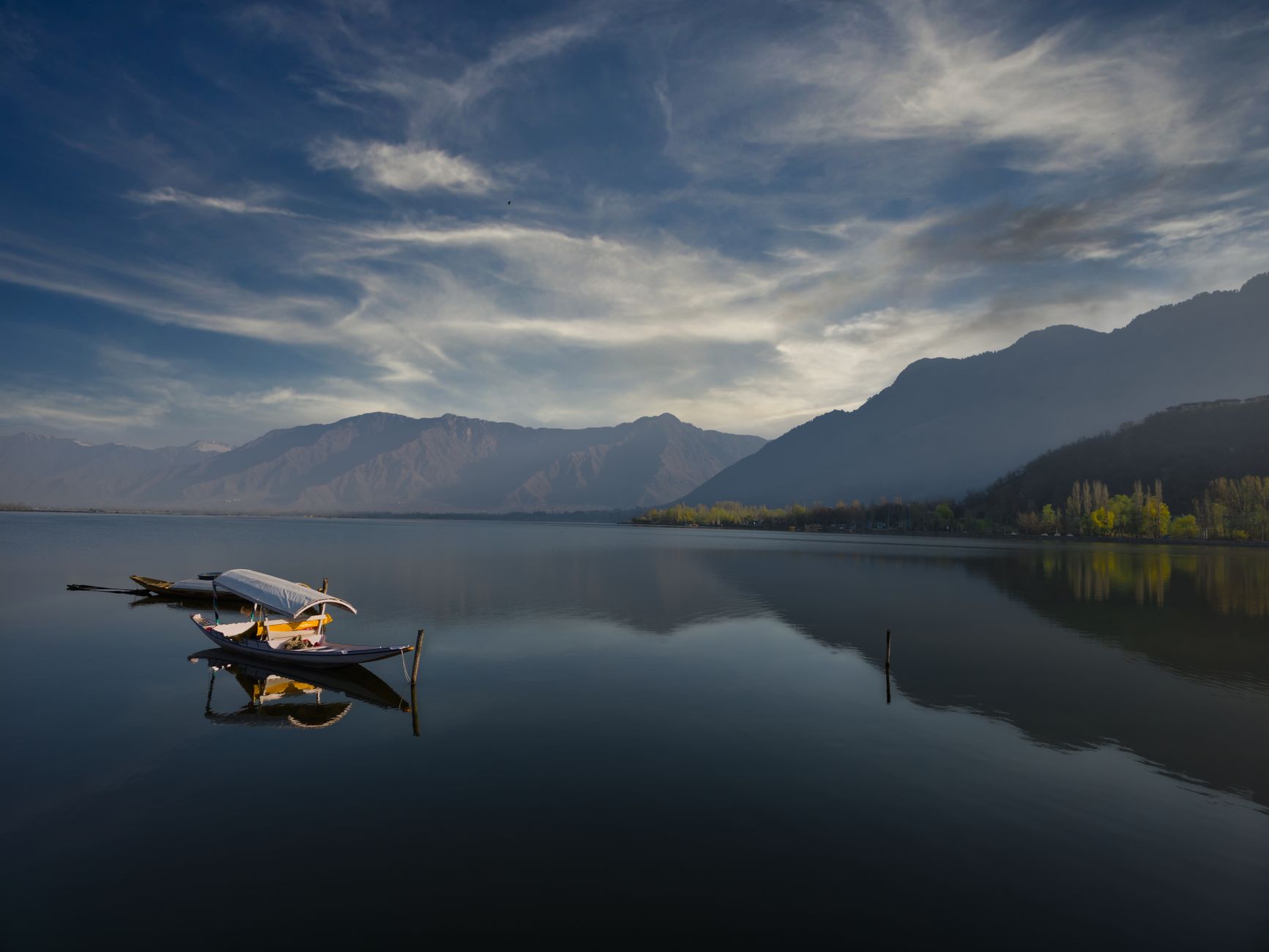
Quick Answer: Kashmir offers year-round appeal with distinct seasonal experiences. April to October is the traditional tourist season, with April-May ideal for tulip gardens and spring blooms, June-August perfect for escaping summer heat, and September-October offering spectacular autumn colors. December to February transforms Kashmir into a winter wonderland, ideal for skiing in Gulmarg.
Understanding Kashmir’s Climate
The Kashmir Valley sits at an average elevation of 1,850 meters, cradled by the Pir Panjal range to the south and the main Himalayan range to the north. This geographical positioning creates a temperate climate with four distinct seasons – a rarity in tropical India.
Unlike most Indian destinations where the monsoon dominates, Kashmir receives most of its precipitation as winter snow (December-February), with the summer monsoon significantly weakened by the time it reaches the valley. This unique pattern creates the conditions for Kashmir’s famous saffron cultivation, apple orchards, and the picture-perfect landscapes that draw visitors worldwide.
The region comprises multiple zones with varying climates:
- Srinagar Valley (1,585m) – Moderate climate, gateway to Kashmir
- Gulmarg (2,650m) – Significantly colder, heavy snowfall, ski resort
- Pahalgam (2,130m) – Pleasant summers, cold winters
- Sonamarg (2,740m) – Accessible only April-November, high altitude meadows
Month-by-Month Weather Guide
| Month | Temperature (Srinagar) | Conditions | Highlights | Rating |
|---|---|---|---|---|
| January | -2 to 4°C | Cold, heavy snowfall, frozen lakes | Peak skiing, frozen Dal Lake | Winter Special |
| February | -1 to 6°C | Cold, snow continues, occasional sunshine | Skiing, snow activities | Winter Special |
| March | 3-12°C | Spring transition, snow melting, almond blossoms | Almond bloom, early spring | Good |
| April | 8-18°C | Pleasant spring, Tulip Garden peak | Tulip Festival, Mughal Gardens | Excellent |
| May | 12-23°C | Warm days, perfect weather | All destinations accessible | Excellent |
| June | 15-27°C | Peak summer, occasional rain | Summer escape, trekking begins | Very Good |
| July | 17-29°C | Warmest month, light monsoon showers | Meadows in bloom, Amarnath Yatra | Good |
| August | 16-28°C | Warm with occasional rain | Lush greenery, late summer | Good |
| September | 12-25°C | Autumn begins, clear skies | Apple harvest, early autumn colors | Excellent |
| October | 6-20°C | Peak autumn, golden chinar trees | Autumn colors at peak | Excellent |
| November | 1-13°C | Late autumn, cold nights, pre-winter | Saffron harvest, fewer crowds | Good |
| December | -2 to 7°C | Winter arrives, early snowfall | First snow, Christmas in Kashmir | Winter Special |
Spring Season (March to May) – Renewal and Blooms
Spring transforms Kashmir from its winter sleep into a tapestry of colors. The snow melts progressively from lower valleys, revealing the first flowers and preparing the valley for its busiest tourist months.

March: Awakening of the Valley
March marks Kashmir’s transition from winter, though conditions vary significantly by location. Srinagar sees melting snow and the first spring blooms, while Gulmarg often retains excellent skiing conditions through mid-March.
March highlights:
- Almond blossoms in Badamwari Garden (usually late February to mid-March)
- Late-season skiing still possible in Gulmarg
- Fewer tourists than April-May
- Lower accommodation prices
- Cherry and apple orchards begin blooming
April: Tulip Paradise
April is arguably the most magical month to visit Kashmir. The famous Indira Gandhi Memorial Tulip Garden – Asia’s largest tulip garden – bursts into bloom, creating a spectacular carpet of color against the backdrop of snow-capped Zabarwan Mountains.
April highlights:
- Tulip Festival (dates vary, usually April) – 1.5 million tulips in bloom
- Mughal Gardens at their spring best
- Dal Lake shikara rides in perfect weather
- Pahalgam accessible, snow on surrounding peaks
- Cherry blossom season continues
May: Perfect Spring
May offers the most consistently pleasant weather across all Kashmir destinations. Temperatures are comfortable (12-23°C), all roads including Sonamarg are open, and the valley is carpeted in green with wildflowers dotting the meadows.
Why May is special:
- All destinations accessible including Sonamarg
- Perfect weather for houseboat stays
- Trekking season begins (Tarsar Marsar, Kashmir Great Lakes)
- Saffron fields turning green
- Gulmarg gondola operates to Phase 2
Summer Season (June to August) – Peak Tourist Season
Summer in Kashmir serves as a natural air conditioner for travelers escaping the scorching plains of India. While temperatures in Delhi and Mumbai exceed 40°C, Srinagar enjoys pleasant 20-30°C weather, making it the preferred escape destination.
June: Early Summer Paradise
June sees Kashmir at its greenest, with meadows in full bloom and the highest tourist influx beginning. The weather is warm but never hot, perfect for outdoor activities and exploration.
June activities:
- Gondola ride to Gulmarg’s Kongdoori mountain
- Shikara rides on Dal Lake at sunset
- Trekking to alpine lakes
- Golf at Gulmarg (world’s highest golf course)
- Betaab Valley and Aru Valley exploration
July and August: Peak Summer
These months see Kashmir at its busiest, with domestic tourists, honeymoon couples, and families on summer vacation flooding the valley. July also marks the annual Amarnath Yatra, one of India’s most important pilgrimages.
Peak summer characteristics:
- Highest tourist numbers – book accommodation well in advance
- Light monsoon showers, usually not disruptive
- Warmest temperatures of the year (up to 30°C in Srinagar)
- All high-altitude treks accessible
- Amarnath Yatra pilgrimage (July-August)
- Premium pricing across all services
Autumn Season (September to November) – Golden Kashmir
Autumn is often considered the most beautiful time to visit Kashmir by photographers and nature enthusiasts. The valley transforms into a golden paradise as chinar trees turn brilliant shades of red and orange.

September: Early Autumn Magic
September marks the transition from summer to autumn, offering the best of both worlds – warm days, colorful beginnings, and significantly fewer tourists than the summer months.
September highlights:
- Apple orchards heavy with fruit – harvest season begins
- Chinar trees begin showing color
- Crystal-clear skies, excellent visibility
- Comfortable temperatures (12-25°C)
- Reduced tourist numbers, better prices
- Last chance for high-altitude treks
October: Peak Autumn Colors
October is Kashmir’s most photogenic month. The legendary chinar trees (oriental plane trees, planted by Mughals centuries ago) turn brilliant red and gold, creating a spectacular autumn display that rivals New England or Japan.
October experiences:
- Chinar colors at peak – Nasim Bagh, Mughal Gardens stunning
- Apple harvest continues
- Walnut harvest season
- Saffron blooming begins (Pampore fields)
- Clear Himalayan views from all viewpoints
- Perfect weather for houseboat stays
November: Late Autumn Tranquility
November offers a peaceful Kashmir with minimal tourist crowds. The weather turns cold, but clear skies often persist. This is the month of the saffron harvest in Pampore.
November considerations:
- Saffron fields in bloom (Pampore) – purple carpet of crocus flowers
- Cold temperatures require warm clothing (1-13°C)
- Some high-altitude areas begin closing
- Excellent value – low-season prices
- Last chinars retain some color through early November
- Possibility of early snowfall in Gulmarg
Winter Season (December to February) – Snow Paradise
Winter transforms Kashmir into a white wonderland, offering India’s best skiing, frozen lakes, and landscapes straight from a postcard. While cold, winter Kashmir has emerged as a major draw, particularly for snow seekers and honeymooners.
December: Winter Arrives
December sees the first significant snowfall, usually arriving mid-month. The valley gradually turns white, and Gulmarg becomes India’s premier ski destination.
December highlights:
- First snowfall – magical transformation
- Christmas celebrations with snow backdrop
- Skiing season begins in Gulmarg
- Houseboat stays with snow views
- Frozen vegetable gardens on Dal Lake
January and February: Peak Winter
These are Kashmir’s coldest months, with temperatures often dropping below freezing. Parts of Dal Lake may freeze, creating surreal images. Gulmarg sees its heaviest snowfall and best skiing conditions.
Peak winter experiences:
- Skiing and snowboarding in Gulmarg (Asia’s highest ski lift)
- Frozen Dal Lake – walking on ice (some sections)
- Snow-covered houseboats
- Dramatically reduced tourist numbers
- Warm hospitality and kangri (traditional fire pots)
- Budget-friendly rates (except Gulmarg)
Best Time for Specific Experiences
Houseboat Stay on Dal Lake
Best Time: April to October
While houseboats operate year-round, spring through autumn offers the most comfortable experience. April-May and September-October are ideal with pleasant temperatures and clear skies. Summer can be busy, and winter requires tolerance for cold (though some find snow-covered houseboats romantic).
Skiing and Snow Activities
Best Time: December to mid-March
Gulmarg transforms into India’s premier ski destination with the highest gondola lift in Asia. January-February sees the most consistent snow, while December and March offer slightly milder conditions. Early January is often best for powder snow.
Trekking
Best Time: June to September
High-altitude treks like Kashmir Great Lakes, Tarsar Marsar, and Thajiwas Glacier are accessible only during summer. July-August offers the most reliable conditions, though June and September can be excellent with fewer trekkers.
Tulip Garden Visit
Best Time: April (specific dates vary yearly)
The Tulip Garden opens for approximately one month annually, usually from late March to late April. Peak bloom typically occurs mid-April but varies with weather. Monitor official announcements for exact dates.
Photography
Best Time: October (autumn) or January-February (snow)
October’s golden chinar leaves create magical images, while winter snow transforms the valley into a photographer’s paradise. Spring tulips (April) offer another spectacular opportunity.
Regional Accessibility by Season
| Destination | Altitude | Accessible | Best Months |
|---|---|---|---|
| Srinagar & Dal Lake | 1,585m | Year-round | April-May, Sept-Oct |
| Gulmarg | 2,650m | Year-round | Dec-Feb (ski), May-June (meadows) |
| Pahalgam | 2,130m | Year-round (road may close briefly) | April-October |
| Sonamarg | 2,740m | April/May to October/November | June-September |
| Zoji La Pass | 3,528m | May to November (Ladakh route) | June-September |
Accommodation Seasonality
| Season | Period | Price Level | Notes |
|---|---|---|---|
| Peak Season | April-June, Dec-Jan (Gulmarg) | Highest (+60-100%) | Book 4-6 weeks ahead |
| High Season | July-August, October | High (+30-50%) | Book 2-3 weeks ahead |
| Shoulder Season | March, September, November | Moderate | Good value periods |
| Low Season | February (except Gulmarg) | Low (-20-40%) | Cold but peaceful |
How to Reach Kashmir
By Air: Sheikh ul-Alam International Airport, Srinagar (SXR) connects to all major Indian cities including Delhi (1.5 hours), Mumbai (2.5 hours), and Bangalore (3 hours). Winter flights may face delays due to fog.
By Road: Two main routes connect Kashmir to the rest of India:
- Jammu-Srinagar Highway (NH44): 300 km, 8-10 hours from Jammu. Open year-round but may close temporarily during heavy snowfall (December-February)
- Srinagar-Leh Highway: Connects to Ladakh, open only May-November
By Rail: The nearest major railhead is Jammu Tawi, connected to all Indian cities. From Jammu, take a taxi or bus to Srinagar (8-10 hours). The Udhampur-Srinagar-Baramulla Rail Line is partially operational.
Frequently Asked Questions
What is the best month to visit Kashmir?
April (for tulips) and October (for autumn colors) are the most spectacular months. May offers the most consistently pleasant weather with all destinations accessible. For skiing and snow, January-February is ideal in Gulmarg.
Is Kashmir safe to visit?
Tourist areas of Kashmir (Srinagar, Gulmarg, Pahalgam, Sonamarg) have been welcoming visitors safely for years. The tourism infrastructure is well-developed, and millions of tourists visit annually. Check current advisories and stay in established tourist zones.
How many days are enough for Kashmir?
A minimum of 5-6 days covers the essentials: 2 days in Srinagar (Dal Lake, Mughal Gardens, Old City), 1-2 days in Gulmarg, and 1-2 days in Pahalgam. For a thorough exploration including Sonamarg, plan 7-8 days.
Is December a good time to visit Kashmir?
Yes, if you’re prepared for cold and potential travel disruptions. December offers magical first snowfall, Christmas atmosphere, and the beginning of skiing season. Dal Lake houseboats with snow views are romantic. However, pack proper winter clothing and keep flexible travel plans.
When does it snow in Kashmir?
Snowfall typically begins in late November or December in higher areas like Gulmarg. Srinagar sees snow usually from late December through February. Heavy snowfall occurs in January-February. By late March, snow begins melting in lower valleys.
When is the Tulip Festival in Kashmir?
The Tulip Festival at Indira Gandhi Memorial Tulip Garden typically runs from late March to late April, with peak bloom usually mid-April. Exact dates vary annually based on weather conditions – check official announcements for specific dates.
Final Recommendations
Kashmir offers year-round appeal with each season presenting distinct experiences. Unlike destinations with clear “best” and “avoid” periods, Kashmir rewards visitors regardless of when they arrive – the key is matching your interests with the season.
For first-time visitors: April-May or September-October offer the most versatile experiences with comfortable weather, open roads, and accessible attractions.
For nature and photography: October’s autumn colors are unmatched, while April’s tulips create spectacular displays.
For adventure seekers: Winter (December-February) offers world-class skiing in Gulmarg, while summer (June-August) opens up high-altitude treks.
For peaceful experience: November or late February-early March offer fewer crowds with distinct seasonal charm.
Whatever season you choose, Kashmir’s natural beauty, warm hospitality, and unique culture ensure an unforgettable experience in India’s crown jewel.
Related Reading: Top 25 Places to Visit in Kashmir | Best Things to Do in Kashmir | Complete Gulmarg Skiing Guide
Ready to experience India’s Paradise on Earth?