Coorg, officially known as Kodagu, is Karnataka’s emerald crown – a misty hill district draped in coffee plantations, spice gardens, and ancient forests. Often called the “Scotland of India” for its rolling hills and perpetual greenery, Coorg offers a unique blend of natural beauty, rich culture, and aromatic coffee experiences. Understanding the best time to visit Coorg is essential for maximizing your experience in this enchanting destination, where each season paints a different picture of this coffee country paradise.

Quick Answer: The best time to visit Coorg is from October to March when the weather is pleasant with temperatures between 15-25°C, clear skies offer stunning views of coffee estates, and perfect conditions for trekking and plantation walks. However, monsoon months (June-September) transform Coorg into a waterfall paradise with lush greenery at its peak.
Understanding Coorg’s Climate and Geography
Coorg district spans an altitude range of 900 to 1,750 meters above sea level, creating diverse microclimates across its terrain. The Western Ghats influence ensures abundant rainfall and moderate temperatures year-round. The district’s main towns – Madikeri (district headquarters), Virajpet, and Somwarpet – each experience slightly different weather patterns based on their elevation and proximity to the ghats.
The landscape is characterized by dense evergreen forests covering nearly 30% of the district, interspersed with coffee and cardamom plantations that carpet the hillsides. This unique topography creates a microclimate that keeps Coorg pleasant even when surrounding plains experience extreme heat, making it a year-round destination with distinct seasonal experiences.
Month-by-Month Weather Guide for Coorg
| Month | Temperature | Rainfall | Conditions | Rating |
|---|---|---|---|---|
| January | 11-25°C | Minimal | Cool mornings, clear skies, coffee harvest | Excellent |
| February | 13-28°C | Minimal | Pleasant, warming slightly | Excellent |
| March | 15-30°C | Light | Warm days, comfortable evenings | Very Good |
| April | 18-32°C | Moderate | Pre-monsoon showers begin | Good |
| May | 18-30°C | Heavy | Pre-monsoon rains, humid | Moderate |
| June | 17-26°C | Very Heavy | Monsoon arrives, waterfalls active | Monsoon Special |
| July | 16-24°C | Very Heavy | Peak monsoon, lush greenery | Monsoon Special |
| August | 16-25°C | Heavy | Continued rains, misty conditions | Moderate |
| September | 16-26°C | Heavy | Retreating monsoon, clearing skies | Good |
| October | 15-27°C | Moderate | Post-monsoon freshness, coffee blooms | Excellent |
| November | 14-26°C | Light | Clear weather, coffee picking begins | Excellent |
| December | 12-25°C | Minimal | Cool and pleasant, festive season | Excellent |
Winter Season (October to February) – Peak Tourist Season
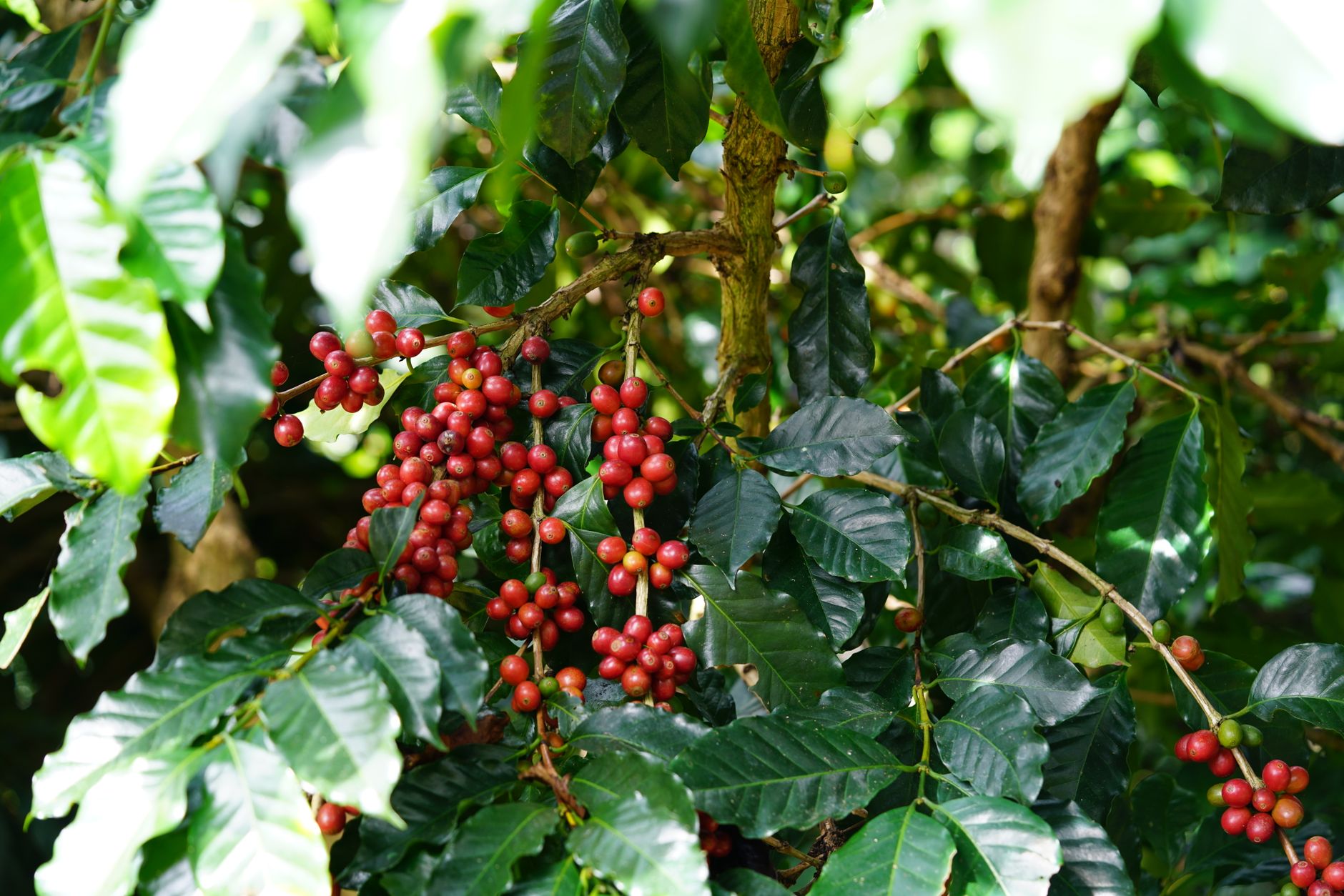
The winter months represent the undisputed best time to visit Coorg for most travelers. The monsoon retreats by late September, revealing a landscape transformed by months of rain. Coffee estates glisten with morning dew, and the air carries the intoxicating fragrance of coffee blossoms in October followed by the aroma of ripening coffee cherries from November onwards.
October: Post-Monsoon Paradise
October marks the transition from monsoon to winter, offering a unique window when the landscape retains its monsoon lushness while the skies clear for spectacular views. This month is particularly special for coffee enthusiasts as the coffee plants begin their flowering cycle, covering the hillsides in delicate white blossoms that emit a jasmine-like fragrance.
Best activities in October:
- Witness coffee blossom season in plantations around Pollibetta and Siddapur
- Trek to Abbey Falls when water flow remains strong
- Explore Nagarhole National Park as wildlife becomes more visible
- Photography expeditions capturing misty mornings and clear afternoons
November to February: Prime Visiting Period
These months offer the most consistently pleasant weather in Coorg. Temperatures range from a cool 11°C in early mornings to a comfortable 25-28°C during the day. The skies remain clear, offering unobstructed views of the Brahmagiri peaks and allowing for excellent visibility during sunrise viewpoints like Raja’s Seat and Mandalpatti.
The coffee harvest season peaks during these months, making it the ideal time to experience Coorg’s coffee culture firsthand. Many estates offer guided tours where you can watch coffee being picked, processed, and roasted – an experience that defines Coorg’s identity.
Winter Activities and Experiences
The winter season opens up numerous activities that may be restricted or less enjoyable during other seasons:
Trekking and Nature Walks: The famous Tadiandamol trek (Karnataka’s third-highest peak at 1,748m), Brahmagiri trek, and Pushpagiri trek are all accessible with clear trails and comfortable temperatures. Early morning starts ensure you reach peaks before afternoon mist rolls in.
Coffee Plantation Tours: Witness the entire coffee processing cycle from cherry picking to bean drying. Estates around Pollibetta, Siddapur, and Somwarpet offer comprehensive tours that include tasting sessions of freshly brewed estate coffee.
Wildlife Safari: Nagarhole National Park (Rajiv Gandhi National Park) and Dubare Elephant Camp offer excellent wildlife viewing opportunities. The dry season concentrates animals around water sources, improving sighting chances for tigers, leopards, elephants, and gaur.
Summer Season (March to May) – Shoulder Season
Summer in Coorg presents a mixed experience. While March remains pleasant with temperatures reaching a maximum of 30°C, April and May see increasing humidity and the onset of pre-monsoon showers. However, even during peak summer, Coorg’s elevation keeps temperatures manageable compared to the scorching plains below.
March: Late Winter Comfort
March straddles winter and summer, offering many benefits of the peak season without the holiday crowds. Coorg’s famous oranges are still available in markets, coffee harvest concludes, and the weather remains ideal for outdoor activities. This is an excellent month for budget-conscious travelers seeking quality experiences at lower prices.
April and May: Pre-Monsoon Period
These months see rising temperatures and humidity, with afternoon thunderstorms becoming increasingly common. While not the optimal visiting period, some travelers find advantages:
- Lower accommodation prices with significant discounts
- Fewer tourists at major attractions
- Dramatic cloud formations perfect for photography
- Spice gardens come alive with cardamom and pepper flowering
Monsoon Season (June to September) – Waterfall Season
The southwest monsoon transforms Coorg into an entirely different destination. While heavy rainfall (averaging 3,000mm annually) can disrupt travel plans, it creates some of the most magical landscapes in South India. For travelers who appreciate rain, mist, and solitude, monsoon offers an authentic Coorg experience.
June and July: Peak Monsoon Magic
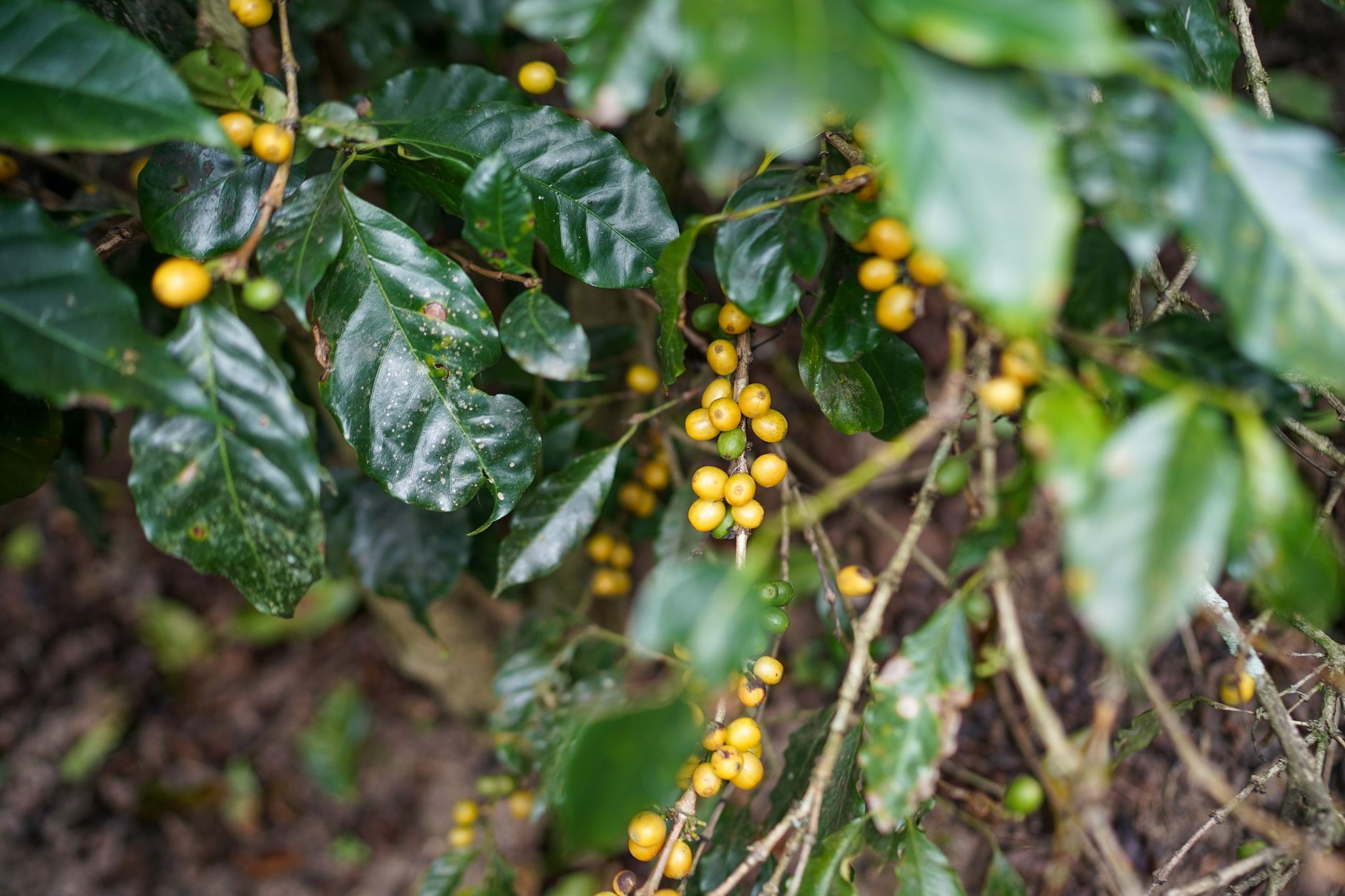
The monsoon arrives in full force by early June, bringing continuous rainfall that can last for days. Rivers swell, waterfalls roar, and the forests achieve their deepest green. This is when Abbey Falls, Irupu Falls, and countless unnamed cascades reach their magnificent peak.
Monsoon experiences unique to this season:
- Abbey Falls at its thundering best with massive water volume
- Irupu Falls (Lakshmana Tirtha Falls) creating a dramatic 170-foot cascade
- Misty drives through plantation roads enveloped in clouds
- Witnessing the famous Coorg mist (locally called “manju”) rolling through valleys
- Rain-washed coffee plants creating brilliant green landscapes
Monsoon Considerations and Restrictions
While monsoon has its charms, travelers should be prepared for certain limitations:
Restricted Activities:
- Trekking is not recommended due to slippery trails and leech prevalence
- Mandalpatti viewpoint usually remains inaccessible as jeep tracks become dangerous
- Wildlife safaris at Nagarhole may be cancelled during heavy rain
- Road conditions can deteriorate with potential landslides on ghat sections
What to Pack for Monsoon Visits:
- Quality waterproof jacket and umbrella
- Quick-dry clothing and extra changes
- Waterproof bags for electronics
- Leech-proof socks if venturing into forests
- Sturdy waterproof footwear with good grip
August and September: Retreating Monsoon
Rainfall intensity decreases through August and September, though showers remain frequent. This period offers a balance – waterfalls still flow strongly while outdoor access gradually improves. By late September, trekking trails begin opening, and the landscape remains extraordinarily green.
Coorg’s Festivals and Cultural Events
Timing your visit with local festivals adds cultural depth to your Coorg experience. The Kodava community, known for their distinct martial traditions and hospitality, celebrates several unique festivals:
| Festival | Timing | Significance | Visitor Experience |
|---|---|---|---|
| Kaveri Sankramana | Mid-October (Tula Sankramana) | Celebrates source of River Kaveri at Talakaveri | Witness thousands gathering at Talakaveri for holy dip |
| Puthari | Late November/December | Harvest festival marking paddy harvest | Traditional dance, feast, gun salutes in villages |
| Kailpodh | September 3rd | Festival honoring weapons and hunting traditions | Weapon worship, traditional Kodava ceremonies |
| Huthri | November-December | Rice harvest thanksgiving | Community gatherings, traditional cuisine |
Best Time for Specific Activities in Coorg
Coffee Plantation Tours
Best Time: November to February
This period covers the coffee harvest season when you can witness the complete process from cherry picking to processing. The weather is pleasant for estate walks, and coffee flowers have given way to ripening cherries. Many estates offer “seed to cup” experiences during this period.
Trekking and Hiking
Best Time: October to March
Clear skies, stable trails, and comfortable temperatures make this the ideal trekking window. The famous Tadiandamol, Brahmagiri, and Pushpagiri treks are all accessible. October offers the added bonus of post-monsoon freshness and clearer mountain views.
Wildlife Safari (Nagarhole)
Best Time: October to May
The park remains open during these months (closed during monsoon). March to May offers best sighting opportunities as animals concentrate near water sources. October to February provides comfortable safari conditions with good wildlife activity.
Waterfall Visits
Best Time: July to October
For waterfall enthusiasts, late monsoon offers the best experience. Abbey Falls and Irupu Falls are at their thundering peak in July-August, while October provides safer access while maintaining impressive water flow.
Photography
Best Time: October-November (landscape) / June-July (monsoon mood)
Post-monsoon offers crystal-clear views for landscape photography, while monsoon creates dramatic misty conditions. Early mornings (6-8 AM) during winter offer magical light over coffee estates.
Region-Specific Recommendations Within Coorg
Madikeri and Surroundings
The district headquarters experiences moderate temperatures year-round. Raja’s Seat sunset views are best during October-March when skies are clear. Madikeri Fort and Abbey Falls are accessible throughout the year except during extreme monsoon conditions.
Virajpet and South Coorg
This region, closer to Kerala border, receives heavier rainfall during monsoon. Home to Tala Kaveri and Brahmagiri Wildlife Sanctuary, it’s best visited from October to March. The Kaveri Sankramana festival at Talakaveri (October) draws huge crowds.
Somwarpet and North Coorg
Slightly less rainfall than other areas makes Somwarpet more accessible during shoulder monsoon months. The famous Pushpagiri trek and Mallalli Falls are located here. Coffee plantations in this region offer excellent estate-stay options.
Accommodation Pricing by Season
| Season | Period | Price Level | Booking Advice |
|---|---|---|---|
| Peak Season | December-January | Highest (+50-100%) | Book 2-3 months ahead |
| High Season | October-November, February-March | High (+20-40%) | Book 3-4 weeks ahead |
| Shoulder Season | April-May, September | Moderate | Book 1-2 weeks ahead |
| Monsoon | June-August | Low (-20-30%) | Good last-minute deals |
How to Reach Coorg
By Air: The nearest airport is Mysore Airport (Mandakalli, 120 km) with limited flights. Mangalore International Airport (150 km) and Kempegowda International Airport, Bangalore (260 km) offer better connectivity.
By Rail: The nearest railway station is Mysore (95 km from Madikeri). From Mysore, taxis and buses connect to Coorg towns.
By Road: Coorg is well connected by road from Bangalore (265 km, 5-6 hours), Mysore (95 km, 2.5 hours), and Mangalore (150 km, 4 hours). KSRTC operates regular buses, though self-driving through the scenic Western Ghats is a memorable experience.
Frequently Asked Questions
Is Coorg worth visiting in the monsoon?
Yes, if you appreciate rain and can adjust your itinerary. Monsoon transforms Coorg into a waterfall paradise with the greenest landscapes. Abbey Falls and Irupu Falls are at their magnificent best. However, expect restricted trekking, potential road issues, and the presence of leeches in forest areas. Plantation stays become cozy retreats where you can enjoy the rain with a cup of fresh Coorg coffee.
Which is better for Coorg – summer or winter?
Winter (October-February) is definitively better for most visitors. The weather is pleasant, all attractions are accessible, coffee harvest season provides unique experiences, and trekking conditions are ideal. Summer (March-May) sees increasing heat and humidity, though early March can still be enjoyable.
How many days are enough for Coorg?
A minimum of 3 days is recommended to experience Coorg properly. This allows time for Madikeri sightseeing (Day 1), a trek or plantation visit (Day 2), and Abbey Falls plus Dubare (Day 3). For a relaxed experience including Nagarhole safari or multiple treks, plan for 4-5 days.
When is the coffee blossom season in Coorg?
Coffee blossoms appear in late March to early April (following pre-monsoon showers) and again in October after the monsoon. The October bloom is more prominent, covering hillsides in fragrant white flowers that transform into coffee cherries by November-December.
Is October good to visit Coorg?
October is excellent for visiting Coorg. The monsoon has retreated, landscapes are at their greenest, waterfalls still carry good water flow, coffee blossoming begins, and the weather is cool and pleasant. It’s arguably the best single month to visit, offering the best of both monsoon freshness and clear-sky beauty.
What is the coldest month in Coorg?
January is typically the coldest month in Coorg, with temperatures dropping to 10-12°C in the early mornings, especially in higher elevation areas like Tadiandamol base camps and northern Coorg. Carrying warm layers is essential during December-January.
Final Recommendations
For the quintessential Coorg experience, October to February remains the best time to visit. The combination of pleasant weather, coffee harvest experiences, accessible trekking trails, and clear mountain views makes this period ideal for all types of travelers.
However, Coorg’s year-round moderate climate means every season has something to offer. Monsoon visitors are rewarded with dramatic waterfalls and solitude, while spring travelers enjoy lower prices and the beauty of coffee blossoms. The key is matching your expectations with the season’s offerings.
Related Reading: Top 25 Places to Visit in Coorg | Best Things to Do in Coorg | Best Homestays in Coorg
Ready to experience the magic of Coorg’s coffee country?