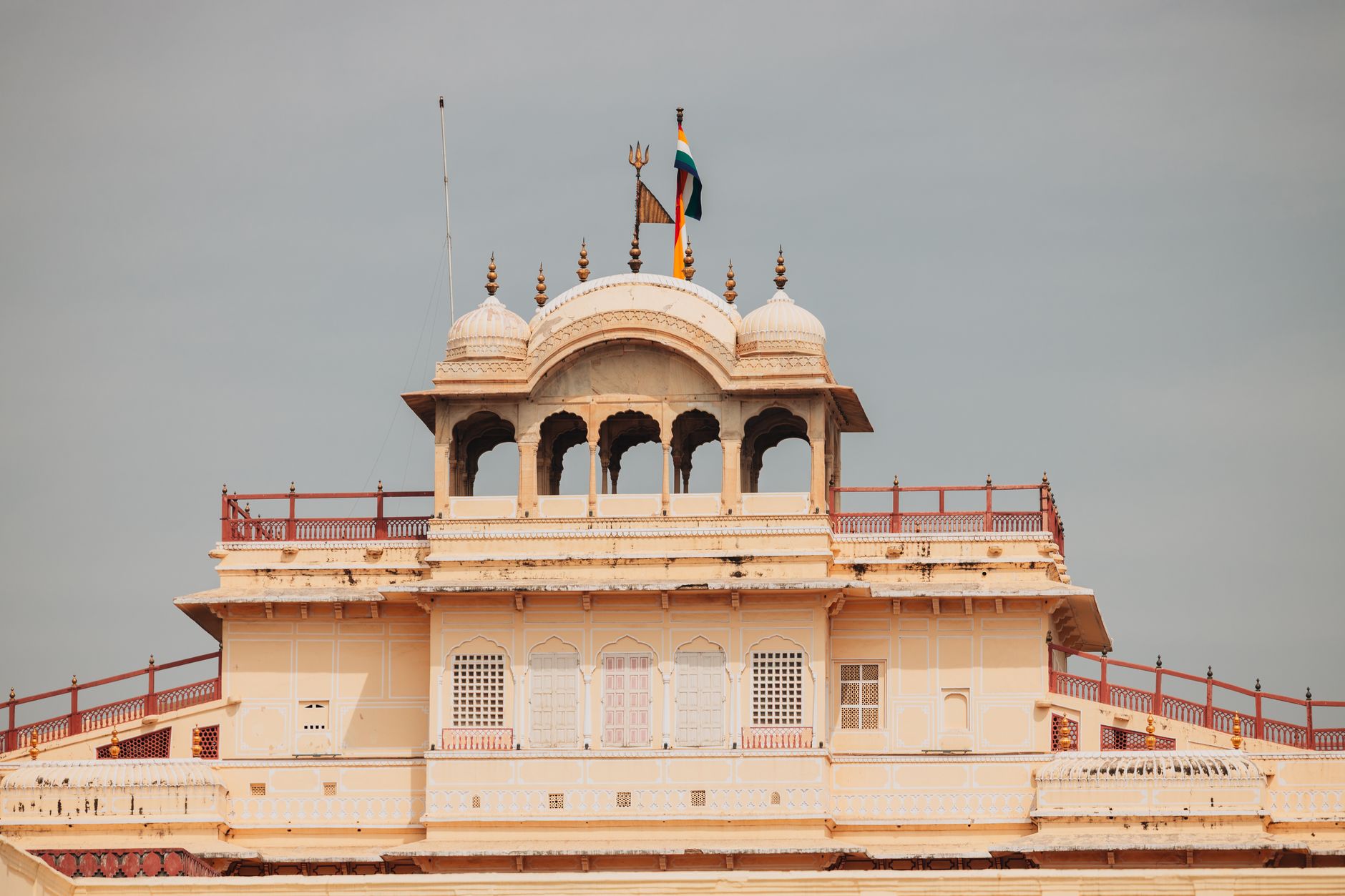
Jaipur, the magnificent Pink City, stands as the crown jewel of Rajasthan’s golden tourism triangle. Founded in 1727 by Maharaja Sawai Jai Singh II, this planned city showcases India’s royal heritage through its majestic forts, opulent palaces, and the distinctive terracotta-pink buildings that gave it its famous moniker. Understanding the best time to visit Jaipur is crucial for experiencing this UNESCO World Heritage City at its finest, as Rajasthan’s extreme climate significantly impacts travel comfort and sightseeing opportunities.
Quick Answer: The best time to visit Jaipur is from October to March when temperatures range between 8-25°C, making it comfortable to explore the city’s numerous forts and palaces. November to February offers the most pleasant weather, though this is also peak tourist season. Avoid May to mid-July when temperatures can exceed 45°C.
Understanding Jaipur’s Climate
Jaipur experiences a semi-arid climate typical of northwestern India, characterized by extreme temperature variations between seasons. Summer brings scorching heat with temperatures regularly exceeding 40°C, while winters can see temperatures drop to near freezing. The city receives minimal rainfall (650mm annually), primarily during the brief monsoon season from July to September.
The city’s geography – situated on a plateau at 431 meters elevation and surrounded by the Aravalli hills – creates a distinct microclimate. The hills partially shield the city from monsoon systems, resulting in less rainfall than neighboring regions. This semi-arid environment shapes everything from the architecture (designed for extreme heat) to the best times for outdoor exploration.
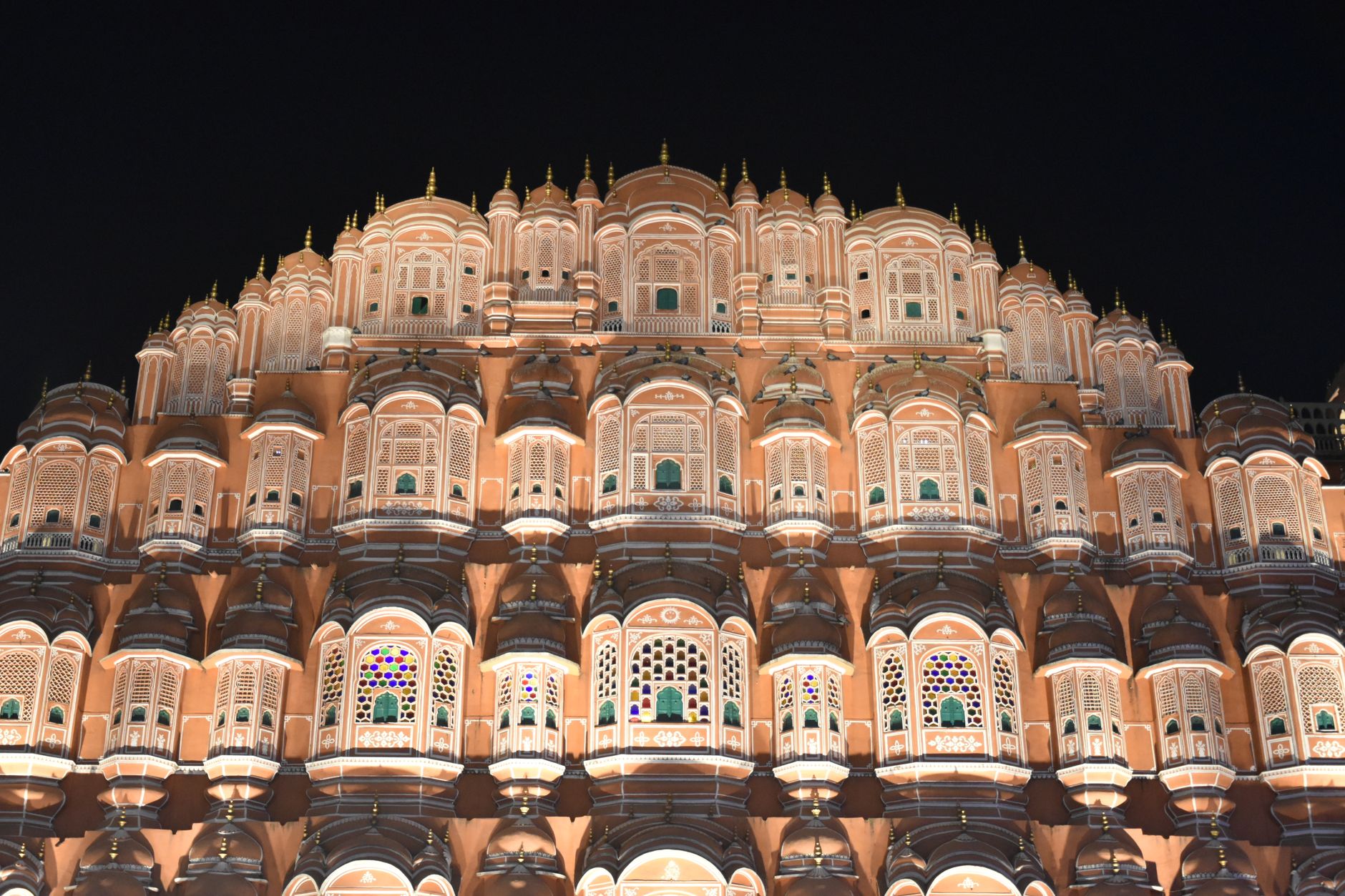
Jaipur’s famous pink-hued buildings were originally painted in 1876 to welcome Prince Albert and Queen Victoria. This terracotta-pink color, mixed with lime, not only created the city’s signature aesthetic but also helped reflect heat – a practical consideration in Rajasthan’s climate.
Month-by-Month Weather Guide
| Month | Temperature | Rainfall | Conditions | Rating |
|---|---|---|---|---|
| January | 8-22°C | Minimal | Cold mornings, pleasant days, ideal for sightseeing | Excellent |
| February | 10-25°C | Minimal | Warming slightly, clear skies, comfortable | Excellent |
| March | 15-32°C | Minimal | Spring warmth, still manageable | Good |
| April | 22-38°C | Low | Hot days begin, mornings still okay | Moderate |
| May | 27-43°C | Low | Very hot, avoid midday outdoor activities | Not Recommended |
| June | 28-42°C | Moderate | Extreme heat, pre-monsoon humidity | Not Recommended |
| July | 26-36°C | Heavy | Monsoon arrives, relief from heat | Moderate |
| August | 25-33°C | Heavy | Monsoon continues, humid conditions | Moderate |
| September | 24-34°C | Moderate | Monsoon retreating, still warm | Good |
| October | 20-35°C | Low | Post-monsoon freshness, pleasant evenings | Very Good |
| November | 12-30°C | Minimal | Ideal weather, clear skies | Excellent |
| December | 8-24°C | Minimal | Cold mornings, perfect for exploration | Excellent |
Winter Season (October to March) – Peak Tourist Season
Winter is unquestionably the best time to visit Jaipur, offering comfortable temperatures that make exploring the city’s architectural wonders genuinely enjoyable. This period sees the highest influx of both domestic and international tourists, particularly those traveling the Golden Triangle circuit (Delhi-Agra-Jaipur).

October: Transition Month
October marks the end of monsoon and the beginning of the tourism season. While early October can still see occasional showers and humidity, the month progressively improves. By late October, Dussehra celebrations add cultural vibrancy to any visit.
October highlights:
- Post-monsoon greenery around Amer Fort and Nahargarh
- Dussehra celebrations with traditional Ramlilas
- Lower prices before peak season begins
- Pleasant evenings for market exploration
- Water features in gardens still active
November to February: Prime Visiting Period
These four months represent the optimal window for visiting Jaipur. Daytime temperatures hover between 15-25°C, perfect for extensive sightseeing. Mornings and evenings can be cool (8-12°C), adding a pleasant crispness to early fort visits.
Peak season highlights:
- Jaipur Literature Festival (late January) – world’s largest free literary festival
- Diwali (October/November) – the Pink City illuminated in festival lights
- Makar Sankranti (January 14) – kite flying festival fills Jaipur’s skies
- Perfect weather for Amer Fort elephant rides (early morning)
- Comfortable conditions for bazaar shopping in Old City
- Hot air balloon rides offer clear views
March: Late Winter Comfort
March straddles winter and summer, offering one final window of comfortable weather. Early March maintains pleasant conditions, while late March sees temperatures rising significantly. This month offers value pricing as peak season concludes, while weather remains acceptable for most activities.
March considerations:
- Holi celebrations (full moon, typically March) are spectacular in Rajasthan
- Plan intensive sightseeing for morning hours
- Accommodation prices drop from peak
- Elephant Festival often coincides with Holi
Summer Season (April to June) – Off-Season
Summer in Jaipur is intensely hot, with temperatures regularly exceeding 40°C and sometimes touching 45°C or higher in May-June. This period is generally not recommended for first-time visitors, though budget travelers and those with specific interests (like deserted monuments for photography) may find advantages.
April: Early Summer
April sees temperatures climbing rapidly, with afternoons becoming uncomfortable for outdoor exploration. However, early mornings (before 9 AM) and late evenings (after 6 PM) remain manageable, allowing limited sightseeing windows.
May and June: Peak Heat
These months experience extreme heat that can be dangerous for extended outdoor exposure. Hot, dry winds (loo) blow across the city, and even locals limit outdoor activities to essential tasks.
If you must visit in summer:
- Schedule sightseeing for very early morning (6-9 AM) or evening (5-7 PM)
- Spend midday in air-conditioned museums or restaurants
- Stay hydrated – carry water constantly
- Take advantage of heavily discounted hotel rates (up to 50% off)
- Visit indoor attractions: Albert Hall Museum, City Palace interiors
Monsoon Season (July to September) – Shoulder Season
Jaipur receives relatively modest monsoon rainfall compared to other parts of India, averaging around 650mm annually, primarily between July and September. This creates an interesting shoulder season – relief from summer heat without the constant rain that affects other regions.
July: Monsoon Arrival
The monsoon typically arrives in early July, bringing dramatic temperature drops – from 42°C to 30-32°C almost overnight. Initial rains are welcomed after the summer’s punishing heat, transforming the parched landscape.
Monsoon characteristics:
- Temperatures drop significantly (25-35°C range)
- Intermittent rain showers, usually not all-day
- Humidity increases substantially
- Aravalli hills turn green
- Fewer tourists, more authentic local experiences
- Nahargarh and Jaigarh forts offer dramatic monsoon views
August and September: Post-Monsoon Transition
Rainfall intensity varies, with some years seeing heavy August rains while others experience a quick retreat. September typically sees monsoon withdrawal, though occasional showers continue. By late September, tourist numbers begin increasing.
Monsoon advantages:
- Accommodation at low-season prices
- Monuments without crowds – excellent for photography
- Teej Festival (July/August) – women’s festival with colorful celebrations
- Gangaur Festival – processions through the Old City
- Lush surroundings at Amer Fort and garden palaces
Jaipur’s Major Festivals by Month
| Festival | Typical Timing | Experience | Booking Impact |
|---|---|---|---|
| Diwali | October/November | City illuminations, fireworks, festive markets | Book 3-4 weeks ahead |
| Dussehra | October | Ramlilas, effigies burning, cultural programs | Moderate demand |
| Pushkar Mela | November | World-famous camel fair (90 km from Jaipur) | Very high demand |
| Jaipur Literature Festival | Late January | Authors, discussions, cultural events | Book 6+ weeks ahead |
| Makar Sankranti | January 14 | Kite flying festival, rooftop celebrations | Moderate demand |
| Elephant Festival | March (Holi) | Decorated elephants, polo, processions | High demand |
| Holi | March (full moon) | Color festival, particularly vibrant in Rajasthan | High demand |
| Teej | July/August | Women’s festival, swings, processions | Low impact |
| Gangaur | March/April | 18-day festival celebrating Parvati | Moderate demand |
Best Time for Specific Activities
Fort and Palace Exploration
Best Time: November to February (mornings)
Amer Fort, Nahargarh Fort, Jaigarh Fort, and City Palace all involve substantial outdoor walking. Winter mornings offer the most comfortable conditions for thorough exploration. Arrive at Amer Fort by 8:30 AM to avoid both crowds and heat.
Hot Air Ballooning
Best Time: October to March
Jaipur offers spectacular sunrise balloon rides over the pink city and surrounding Aravalli landscape. Clear winter skies and stable air currents make this period ideal. Flights typically launch around 6 AM.
Bazaar Shopping
Best Time: November to February (evenings)
Johari Bazaar, Tripolia Bazaar, and Bapu Bazaar come alive in cool winter evenings. Shopping for Jaipur’s famous textiles, jewelry, and handicrafts is far more enjoyable when you’re not battling summer heat.
Photography
Best Time: November-February (sunrise/sunset) or Monsoon (dramatic skies)
Winter offers the clearest light and most comfortable shooting conditions. Monsoon provides dramatic cloud formations and fewer tourists at monuments. The golden hour at Hawa Mahal or Nahargarh sunset views are spectacular in winter.
Wildlife Safari (Ranthambore)
Best Time: October to June (closes during monsoon)
Ranthambore National Park (160 km from Jaipur) is a popular extension. The park closes July-September for monsoon. Best tiger sighting months are March-May when vegetation thins and animals seek water.
Accommodation Seasonality
| Season | Period | Price Level | Booking Advice |
|---|---|---|---|
| Peak Season | November-February | Highest (+50-100%) | Book 4-6 weeks ahead |
| Festival Peak | Diwali, JLF, Holi | Very High (+80-120%) | Book 2-3 months ahead |
| Shoulder Season | October, March | Moderate (+20-30%) | Book 2-3 weeks ahead |
| Monsoon | July-September | Low (-20-40%) | Good availability |
| Summer | April-June | Lowest (-40-60%) | Excellent deals |
How to Reach Jaipur
By Air: Jaipur International Airport (JAI) connects to all major Indian cities and several international destinations including Dubai, Singapore, and Bangkok. The airport is 13 km from the city center.
By Rail: Jaipur Junction is a major railway hub with excellent connectivity to Delhi (5-6 hours), Mumbai (12-15 hours), and all major cities. The luxury Palace on Wheels includes Jaipur on its route.
By Road: Well-connected via expressways to Delhi (280 km, 5 hours via Jaipur-Delhi Expressway), Agra (240 km, 4 hours), and Udaipur (400 km, 6 hours). The Golden Triangle circuit is popular for self-drive and tour groups.
Frequently Asked Questions
Can I visit Jaipur in summer?
It’s possible but not recommended for first-time visitors. Summer temperatures (40-45°C) make outdoor sightseeing extremely uncomfortable and potentially dangerous. If you must visit, restrict outdoor activities to early morning and evening, stay in air-conditioned spaces during midday, and take advantage of significantly reduced hotel rates.
Is Jaipur worth visiting in monsoon?
Yes, for travelers who don’t mind occasional rain. Jaipur’s monsoon is relatively mild compared to other regions, with intermittent showers rather than continuous downpour. You’ll enjoy fewer crowds, lower prices, green landscapes around the forts, and unique festivals like Teej. The dramatic monsoon skies make for excellent photography.
How many days are enough for Jaipur?
A minimum of 2-3 days covers the main attractions: Day 1 for Amer Fort and Nahargarh, Day 2 for City Palace, Hawa Mahal, and Jantar Mantar, Day 3 for Jaigarh Fort, Albert Hall Museum, and shopping. For a relaxed pace with day trips to Ranthambore or Pushkar, plan 4-5 days.
What is the coldest month in Jaipur?
January is typically the coldest month, with morning temperatures dropping to 5-8°C and occasional fog. Daytime temperatures remain pleasant (18-22°C). Pack warm layers for early morning fort visits and evening bazaar walks.
When is the Jaipur Literature Festival?
The Jaipur Literature Festival typically takes place in late January (usually the last week). It’s the world’s largest free literary festival, drawing authors and thinkers from around the world to the historic Diggi Palace. Entry is free but hotel prices spike – book accommodation months in advance.
Is December a good time to visit Jaipur?
December is one of the best months to visit Jaipur. The weather is pleasant (10-25°C), skies are clear, and the festive atmosphere around Christmas and New Year adds charm. It’s popular with tourists, so book accommodation in advance, particularly for Christmas-New Year week.
Final Recommendations
For the classic Jaipur experience, visit between November and February. This period offers comfortable temperatures for extensive sightseeing, clear skies for photography, and the full roster of tourist services operating at peak efficiency. January’s Jaipur Literature Festival and Makar Sankranti add cultural dimensions to any visit.
October and March offer good alternatives with fewer crowds and moderate temperatures, though you’ll need to adjust sightseeing schedules for warmer afternoons in March.
Monsoon (July-September) can be rewarding for budget travelers and those seeking authentic experiences without tourist crowds. The brief rain showers typically don’t disrupt sightseeing significantly.
Avoid May and June unless you have compelling reasons to visit – the extreme heat makes outdoor exploration genuinely difficult and potentially dangerous.
Related Reading: Top 25 Places to Visit in Jaipur | Best Things to Do in Jaipur | Golden Triangle India Guide
Ready to explore the majestic Pink City of Rajasthan?