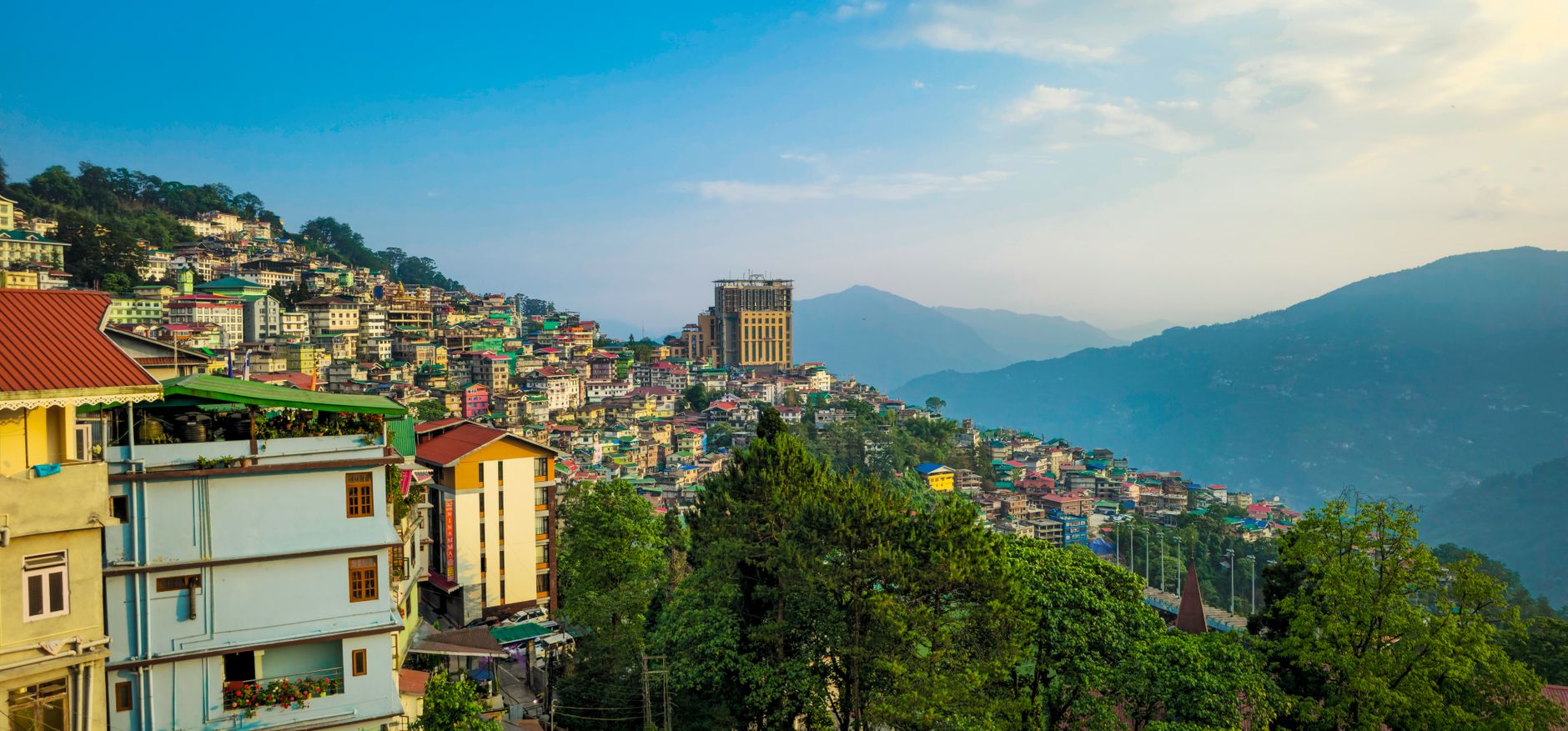
Gangtok serves as the perfect gateway to Sikkim’s extraordinary attractions while offering its own compelling collection of experiences that blend Buddhist heritage, Himalayan culture, urban sophistication, and natural beauty into a unique hill station destination. This state capital perched on a ridge at 1,650 meters provides comfortable base for exploring both city attractions and day-trip destinations that include some of India’s most spectacular landscapes. Understanding the best things to do in Gangtok helps you balance the city’s own offerings with the excursions that make this capital such an ideal Sikkim base.
Whether you seek spiritual immersion in ancient monasteries, adventure activities that take advantage of the dramatic terrain, culinary exploration of cuisines blending Tibetan and Nepali traditions, or simply peaceful appreciation of mountain views that include glimpses of Kanchenjunga, Gangtok delivers experiences that satisfy diverse interests. This comprehensive guide covers twenty essential activities spanning culture, adventure, nature, and urban exploration, complete with practical information to help you make the most of your time in Sikkim’s welcoming capital.
Quick Facts: Gangtok Activities Overview
Cultural and Spiritual Experiences
1. Explore Rumtek Monastery
Rumtek Monastery stands as one of the most important Tibetan Buddhist centers outside Tibet, serving as the seat-in-exile of the Karmapa and housing extraordinary religious art and artifacts that make this 24-kilometer journey from Gangtok essential for anyone interested in Buddhist culture. The monastery complex replicates Tsurphu Monastery in Tibet and maintains active practice traditions that visitors can observe during daily prayer sessions. The extensive grounds include the main monastery, a seminary, and the remarkable Golden Stupa that contains relics of the previous Karmapa.
Security protocols require identity verification at checkpoints, reflecting controversies surrounding the Karmapa succession that have made Rumtek a site of occasional tension. Despite this, the monastery welcomes respectful visitors who observe appropriate behavior including removing shoes, maintaining quiet voices, and requesting photography permission. The journey to Rumtek through winding mountain roads provides scenic value beyond the destination itself, while the monastery’s elevated position commands impressive valley views.
2. Visit Enchey Monastery
Enchey Monastery provides accessible introduction to Tibetan Buddhism just 3 kilometers from central Gangtok, a 200-year-old Nyingma order institution that maintains active practice traditions while welcoming visitors interested in Buddhist culture. The monastery hosts the annual Chaam masked dance festival in December/January that draws large crowds for elaborate ceremonies featuring costumed monks performing sacred dances representing Buddhist teachings. Even outside festival periods, morning and evening prayer sessions offer opportunities to observe monastic practice in atmospheric surroundings.
The monastery’s ridge-top location provides panoramic views over Gangtok and the surrounding valleys, making the short journey worthwhile even for those with limited interest in religious sites. The wooded grounds surrounding the monastery offer pleasant walking paths, while the architecture and religious artwork demonstrate Tibetan Buddhist artistic traditions. The proximity to Gangtok center makes Enchey an efficient stop easily combined with other nearby attractions including the Flower Exhibition Centre and the Ropeway.
3. Circumambulate Do Drul Chorten
Do Drul Chorten ranks among Sikkim’s most important Buddhist monuments, a large white stupa surrounded by 108 prayer wheels that devotees circumambulate while spinning wheels and reciting mantras in practices that generate merit and purify negative karma. Built in 1945 to pacify evil spirits, the stupa contains sacred relics and serves as an active religious site where visitors can observe Buddhist devotional practice in action. The surrounding prayer wheel pavilions provide opportunities for visitors to participate in circumambulation practices if they choose.
The stupa complex occupies a hillside location near the Namgyal Institute of Tibetology, allowing efficient combination of both sites for comprehensive introduction to Gangtok’s Buddhist heritage. The peaceful grounds invite contemplation and photography, while the architectural contrast between the white stupa and surrounding greenery creates visually striking compositions. Respectful behavior including clockwise circumambulation and quiet voices demonstrates cultural sensitivity appropriate for active religious sites.

4. Study at Namgyal Institute of Tibetology
The Namgyal Institute of Tibetology houses one of the world’s most significant collections of Tibetan Buddhist artifacts, manuscripts, and religious art, providing scholarly depth beyond typical tourism while remaining accessible to general visitors. Founded in 1958 with support from the Dalai Lama and the Indian government, the institute serves both as research center and museum, preserving materials that might otherwise have been lost during the disruption of Tibetan Buddhist culture. The traditional Tibetan-style building was constructed by Tibetan craftsmen using authentic design principles.
The museum collection includes thangka paintings, bronze statues, manuscripts in multiple Himalayan languages, and religious artifacts that together provide comprehensive introduction to Tibetan Buddhist art and culture. Guided tours enhance understanding of the collections for visitors without background knowledge, while the research library serves scholars working on Tibetan language, religion, and culture. The institute’s location adjacent to Do Drul Chorten allows efficient combination of both sites.
5. Attend Morning Prayers at a Monastery
Experiencing morning prayer sessions at Gangtok’s monasteries provides authentic glimpse into Buddhist practice that has continued for centuries, with chanting monks, ritual instruments, and meditative atmosphere creating experiences that tourism facilities cannot replicate. Enchey Monastery offers the most accessible option for early morning visits, with sessions typically beginning around 6 AM that visitors may observe from designated areas. The combination of early light, relative solitude before tourist crowds arrive, and active religious practice creates memorable experiences for those willing to accommodate the timing.
Proper preparation including warm clothing, quiet arrival, and respectful behavior demonstrates cultural sensitivity while ensuring comfortable viewing. Photography policies vary between monasteries and sessions, requiring permission before documenting prayers. The commitment required to attend early morning sessions filters casual visitors, creating more intimate experiences than daytime tourism typically allows. Those interested in deeper engagement may inquire about meditation instruction or extended stays at monasteries offering such programs.
Day Trips and Excursions
6. Visit Tsomgo Lake
Tsomgo Lake, also known as Changu Lake, provides one of Sikkim’s most accessible high-altitude lake experiences, sitting at 3,753 meters approximately 40 kilometers from Gangtok in a setting that changes dramatically with the seasons. The glacial lake freezes during winter, reflects pristine blue skies in clear weather, and takes on various characters depending on light conditions and surrounding vegetation. Protected Area Permits required for the visit are arranged through tour operators in Gangtok, with most visitors combining Tsomgo Lake with Baba Mandir and optionally Nathula Pass for comprehensive day excursions.
The journey to Tsomgo Lake climbs through dramatic terrain that includes forests, alpine meadows, and increasingly sparse vegetation as altitude increases. Yak rides around the lake shore provide popular activities, though animal welfare concerns have led some visitors to question these practices. Facilities at the lake include basic restaurants and shops selling warm clothing and souvenirs. The altitude affects many visitors, requiring awareness of symptoms and willingness to descend if problems develop.
7. Stand at Nathula Pass
Nathula Pass at 4,310 meters provides the extraordinary experience of standing at one of the world’s highest motorable border crossings, where Indian and Chinese soldiers face each other across a boundary that marks the intersection of two of Asia’s largest nations. This historic Silk Route crossing was closed following the 1962 war and partially reopened for limited border trade in 2006. The combination of altitude, military presence, and geopolitical significance creates experiences unlike typical tourism destinations.
Access requires Protected Area Permits obtained through registered tour operators, with restrictions including closure on Mondays and Tuesdays, winter road closures (typically December-April), and prohibition of foreign nationals. The extreme altitude causes symptoms in many visitors, requiring proper acclimatization and awareness of warning signs. The journey typically combines with Tsomgo Lake and Baba Mandir, with early morning departures maximizing time before afternoon clouds often obscure views.
8. Pay Respects at Baba Mandir
Baba Mandir commemorates Baba Harbhajan Singh, a soldier who died near Nathula Pass in 1968 and is believed by local tradition to continue protecting the border region as a spirit. The shrine’s unusual significance among military personnel reflects beliefs that Baba’s spirit warns of dangers and assists soldiers in their duties. The military maintains the shrine and treats the deceased soldier as an active service member, with provisions including a bed kept made for him and leave granted annually to his spirit.
The shrine attracts both military pilgrims and tourists fascinated by this unique blend of military tradition and supernatural belief. Facilities include the main temple and a bunker-style room where Baba’s “quarters” are maintained. The remote high-altitude location accessible only as part of Tsomgo-Nathula excursions adds to the shrine’s atmospheric significance. Respectful behavior appropriate for both religious site and military memorial demonstrates sensitivity to the shrine’s multiple functions.
9. Explore Hanuman Tok and Ganesh Tok
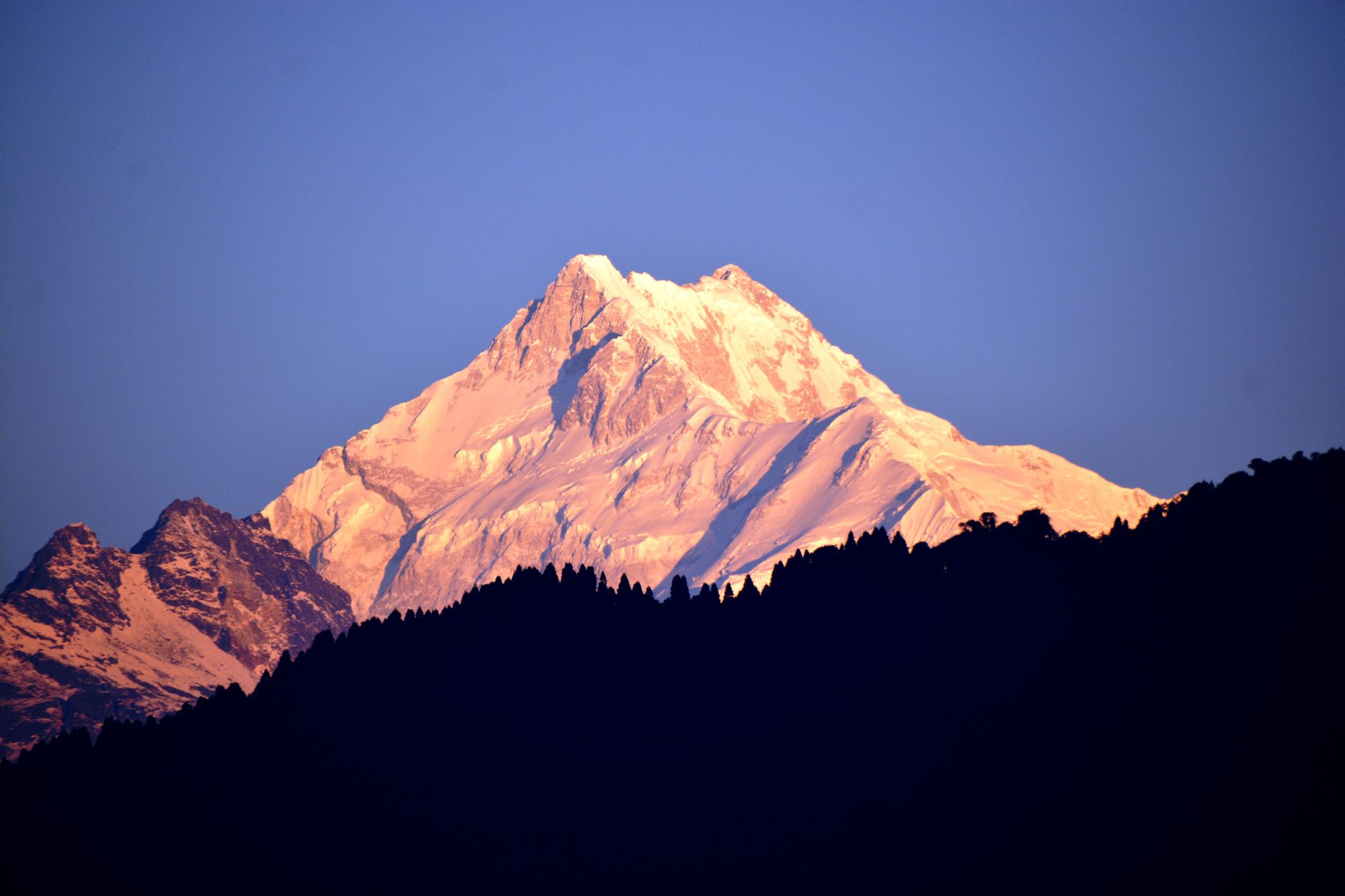
The viewpoint circuit including Hanuman Tok and Ganesh Tok provides some of Gangtok’s finest panoramic perspectives, with temples at elevated positions offering mountain views that extend to Kanchenjunga on clear days. Hanuman Tok, maintained by the Indian Army at approximately 2,200 meters, provides particularly well-kept grounds and exceptional views, while Ganesh Tok offers more accessible positioning closer to the city center. Combined morning excursions covering both viewpoints along with Tashi Viewpoint create efficient sightseeing circuits.
Early morning timing maximizes chances for clear mountain views before clouds typically build during afternoon hours. The temples themselves provide spiritual interest beyond scenic viewing, though most visitors come primarily for the panoramas. Facilities at both sites include basic refreshments, while the elevated locations offer cooler temperatures than central Gangtok. Local taxis arrange viewpoint circuits at negotiable rates, with morning timing requiring advance booking particularly during peak tourist season.
Urban Experiences
10. Stroll Along MG Marg
MG Marg functions as Gangtok’s social heart, a beautifully maintained pedestrian promenade where locals and tourists gather for shopping, dining, and evening strolling in an atmosphere that distinguishes itself from typical Indian commercial areas through strict cleanliness standards and vehicle-free design. The approximately half-kilometer street features shops, restaurants, and cultural facilities housed in buildings that blend contemporary construction with traditional design elements. Evening hours bring particular vibrancy as the street fills with families, couples, and tourists enjoying the cool mountain air and mountain-backdrop views.
Shopping opportunities range from traditional Sikkimese handicrafts to modern clothing and electronics, with numerous options for Tibetan religious items, locally produced organic products, and souvenirs. Restaurants serve cuisines spanning Sikkimese, Tibetan, Chinese, and Continental options, while cafes provide gathering spots that attract Gangtok’s cosmopolitan population. The Tourism Information Centre on MG Marg provides resources for trip planning and permit arrangements.
11. Ride the Gangtok Ropeway
The Gangtok Ropeway provides aerial perspectives across the city and surrounding mountains through cable car journeys that reveal the dramatic topography impossible to appreciate from street level. The ropeway operates in two sections connecting Deorali, Nam Nang, and Tashiling, with continuously changing views as the car traverses Gangtok’s ridge-and-valley terrain. Clear weather enhances the experience significantly, with mountain views extending to Kanchenjunga when conditions permit.
Operating hours typically span morning through evening, though weather conditions can cause temporary closures during high winds. The Deorali station location near central attractions makes the ropeway easy to incorporate into broader Gangtok sightseeing. Different fare categories correspond to sections covered, with the complete journey commanding premium pricing. The relatively brief duration makes the ropeway a supplemental rather than primary activity, but the aerial perspectives justify investment for those seeking comprehensive Gangtok experiences.
12. Visit the Flower Exhibition Centre
The Flower Exhibition Centre showcases Sikkim’s extraordinary botanical diversity through displays of orchids, rhododendrons, and other flowering plants that thrive in the state’s varied microclimates. Located near White Hall in central Gangtok, the center provides accessible introduction to the floral diversity that makes Sikkim one of India’s premier botanical destinations. The permanent orchid collection displays year-round, while seasonal exhibitions during spring blooming periods feature spectacular special displays.
The center’s compact size allows thorough viewing in 30-60 minutes, making it an efficient addition to Gangtok sightseeing rather than a destination requiring extensive time investment. Photography opportunities among the flower displays attract both serious botanical photographers and casual visitors seeking colorful backdrops. The central location near the ropeway and other attractions allows easy combination for efficient sightseeing circuits.
Food and Shopping
13. Sample Momos and Thukpa
Gangtok’s food scene offers exceptional opportunities to explore Tibetan and Nepali cuisine, with momos (dumplings) and thukpa (noodle soup) appearing everywhere from street stalls to upscale restaurants. The variety of momo preparations spans steamed, fried, and soupy versions with fillings ranging from pork and chicken to vegetables and cheese, while thukpa varieties incorporate different noodles, broths, and accompaniments. Sampling across multiple establishments reveals the range of styles and quality levels available.
Street food around MG Marg and the taxi stand areas provides economical options for casual sampling, while established restaurants offer more comfortable settings and consistent quality. Local favorites for authentic preparations may differ from tourist-oriented establishments, with asking locals for recommendations often yielding excellent results. The cold mountain climate makes warming dishes like thukpa particularly satisfying, while momos provide convenient portable eating throughout the day.
14. Try Local Sikkimese Cuisine
Beyond the Tibetan dishes familiar throughout the Himalayan region, distinctive Sikkimese preparations reward adventurous eaters seeking authentic local flavors. Gundruk (fermented leafy vegetables), kinema (fermented soybeans), chhurpi (dried cheese), and various preparations using local ingredients demonstrate culinary traditions shaped by Sikkim’s specific geography and cultural influences. The emphasis on fermented foods reflects practical adaptation to mountain conditions where preservation methods extended food availability through harsh winters.
Several restaurants in Gangtok specialize in traditional Sikkimese cooking, providing accessible introduction to dishes that might otherwise require village homestays or local connections to experience. The organic produce mandated throughout Sikkim ensures high-quality ingredients even in simple preparations. Local alcoholic beverages including tongba (fermented millet) and chang (barley beer) provide additional cultural exploration for those interested in traditional drinks.
15. Shop for Handicrafts and Souvenirs
Gangtok’s shopping opportunities span traditional handicrafts, Buddhist religious items, local organic products, and contemporary goods, with MG Marg and surrounding areas concentrating the best options. Tibetan carpets, thangka paintings, prayer wheels, singing bowls, and other religious items appeal to those seeking spiritually significant souvenirs, while traditional textiles, wooden crafts, and jewelry demonstrate regional artistic traditions. The government-operated Directorate of Handicrafts and Handlooms ensures authentic local production at fair prices.
Local organic products including tea, honey, spices, and medicinal herbs make excellent souvenirs that support Sikkim’s organic agriculture mission while providing distinctive gifts. Shopping etiquette includes expected bargaining at smaller shops and street vendors, while fixed-price establishments including government emporiums offer convenience without negotiation. Quality varies significantly across vendors, making careful examination important for significant purchases.
Nature and Adventure
16. Visit the Himalayan Zoological Park
The Himalayan Zoological Park specializes in conservation of endangered Himalayan species, housing red pandas, snow leopards, Himalayan black bears, and various pheasants in naturalistic enclosures spread across forested hillside approximately 7 kilometers from central Gangtok. The zoo’s conservation focus distinguishes it from entertainment-oriented institutions, with emphasis on native species and breeding programs contributing to regional wildlife protection efforts. The red panda program has achieved particular success, with animals bred here distributed to conservation programs worldwide.
The zoo’s hillside layout requires substantial walking over varied terrain, with complete circuits taking 2-3 hours depending on pace and viewing time. Naturalistic enclosures mean animals are not always visible, particularly during midday rest periods. Early morning visits maximize wildlife activity while avoiding crowds that build later in the day. The adjacent grounds of the Himalayan Mountaineering Institute allow combination of both attractions.
17. Explore Ban Jhakri Falls Park
Ban Jhakri Falls and Energy Park combines a 100-foot waterfall with culturally themed parkland interpreting Sikkimese shamanistic tradition through statues, gardens, and developed recreational facilities. Located approximately 7 kilometers from central Gangtok, the park provides family-friendly outdoor recreation that balances natural beauty with cultural interpretation. The “Jhakri” or shaman tradition of Sikkim receives particular attention through giant statues and displays explaining practices that continue influencing local culture.
Walking paths wind through landscaped grounds past prayer wheel pavilions, ponds, and multiple viewing platforms for the waterfall. The forested setting provides shade and cooler temperatures during warmer months. Facilities include cafeteria services, public restrooms, and photography opportunities with statues and backdrops. Some visitors prefer the natural atmosphere of less-developed sites, while others appreciate the accessibility and interpretation that the park provides.
18. Try Paragliding or Mountain Biking
Adventure sports around Gangtok provide active alternatives to sightseeing tourism, with paragliding, mountain biking, and trekking options available through various operators. Paragliding tandem flights allow beginners to experience aerial mountain perspectives with experienced pilots handling technical requirements. Mountain biking tours range from gentle rides through nearby villages to challenging routes requiring significant cycling fitness. The dramatic terrain provides spectacular settings for adventure activities that test abilities while rewarding with unique perspectives.
Operator selection based on equipment quality, guide certification, and safety records ensures enjoyable experiences. Weather conditions affect many adventure activities, requiring flexibility in scheduling. The adventure tourism sector varies in professionalism, making verification of credentials important before committing to activities. Proper preparation including appropriate clothing, physical readiness, and realistic assessment of abilities enhances safety and enjoyment.
Relaxation and Wellness
19. Enjoy Mountain Views from Cafes
Gangtok’s numerous cafes provide comfortable settings for enjoying mountain views, local beverages, and the relaxed atmosphere that distinguishes this hill station from busier Indian cities. Establishments along MG Marg and throughout the city offer varied atmospheres from contemporary coffee culture to traditional tea houses, with many featuring rooftop seating or window views that frame mountain panoramas. The cafe culture reflects Gangtok’s cosmopolitan character and provides welcome breaks between active sightseeing.
Coffee quality has improved significantly in recent years as specialty cafes have opened alongside traditional establishments. The cool climate makes hot beverages particularly satisfying, while local bakery items provide accompaniment. Afternoon hours before evening crowds arrive offer optimal conditions for relaxed viewing with comfortable seating. Wifi availability varies, though many establishments catering to tourists provide connectivity for those needing to stay connected.
20. Experience Spa and Wellness Treatments
Several hotels and dedicated spa facilities in Gangtok offer wellness treatments that take advantage of the peaceful mountain setting to provide relaxation experiences enhanced by natural surroundings. Treatments range from contemporary spa services to traditional practices drawing on regional healing traditions. The combination of mountain air, relative quiet compared to busier Indian destinations, and quality facilities creates conditions conducive to genuine relaxation.
Advance booking is recommended for quality establishments, particularly during peak tourist seasons when demand exceeds capacity. Price ranges vary significantly from modest local options to luxury hotel spas commanding premium rates. Those seeking specific traditional practices may need to research specialized providers offering authentic treatments rather than standardized spa menus. The overall atmosphere of Gangtok supports relaxation that extends beyond formal spa sessions into general appreciation of the hill station environment.
Gangtok Activity Planning Tips
- Book Tsomgo-Nathula permits 2-3 days in advance through registered operators
- Schedule viewpoint visits for early morning when mountain visibility peaks
- Allow flexibility for weather-dependent activities
- Combine nearby attractions efficiently using shared taxi circuits
- Evening hours on MG Marg provide best atmosphere for strolling and dining
Frequently Asked Questions About Things to Do in Gangtok
How many days do I need in Gangtok?
Three to four days allows comfortable coverage of major Gangtok attractions and the Tsomgo-Nathula excursion. Additional days permit repeat viewpoint visits for optimal weather, exploration of less common attractions, and side trips to destinations like Rumtek. Those using Gangtok as a base for broader Sikkim exploration should add days for North or West Sikkim excursions.
What permits do I need for Gangtok activities?
Most Gangtok city attractions require no permits. Protected Area Permits are needed for Tsomgo Lake, Nathula Pass, and Baba Mandir, arranged through registered tour operators typically within 24-48 hours. Foreign nationals face additional restrictions for certain destinations. Carry identity documents for checkpoints even in unrestricted areas.
What is the best time for Gangtok activities?
March-June offers pleasant weather with clear mountain views before monsoon. October-December provides excellent post-monsoon visibility with crisp conditions. Monsoon season (July-September) brings heavy rain and limited high-altitude access. Winter (January-February) sees possible snow at higher elevations but generally clear skies in Gangtok itself.
How do I get around Gangtok?
Shared taxis and private hire vehicles provide primary transportation. MG Marg area is walkable, though the hilly terrain makes walking challenging beyond the center. Tour operators arrange day trips with inclusive transportation. Shared jeeps depart from stands near MG Marg for common destinations. The ropeway provides alternative transport between connected stations.
Is altitude a concern in Gangtok?
Gangtok at 1,650 meters rarely causes altitude problems for healthy individuals. However, day trips to Tsomgo Lake (3,753m) and Nathula Pass (4,310m) can cause symptoms. Acclimatize in Gangtok before high-altitude excursions. Recognize altitude sickness symptoms (headache, nausea, dizziness) and be prepared to descend if they develop.
Planning your Gangtok activities requires balancing city exploration with day trips, weather considerations with scheduling flexibility, and diverse interests within limited time. For more information, explore our guides to best time to visit Gangtok, best hotels in Gangtok, places to visit in Gangtok, and Gangtok trip cost.
Ready to Explore Gangtok?
Book your perfect Gangtok accommodation now and start planning your Sikkim capital experience.