Darjeeling offers an extraordinary range of experiences that extend far beyond its famous tea, presenting visitors with activities spanning adventure sports, cultural immersion, heritage exploration, and natural wonder that together create one of India’s most rewarding hill station destinations. This Queen of the Hills perches dramatically in the Lesser Himalayas at approximately 2,050 meters elevation, providing access to experiences ranging from leisurely tea garden strolls to challenging high-altitude treks, from century-old steam train journeys to adrenaline-pumping river rafting. Understanding the best things to do in Darjeeling helps you craft an itinerary that balances relaxation with adventure while making the most of this unique Himalayan destination.
Whether you seek the thrill of watching sunrise paint Kanchenjunga in shades of gold and pink, want to understand the artistry behind the world’s finest tea, or simply wish to lose yourself in the colonial-era charm of Mall Road and the bustling local markets, Darjeeling delivers experiences that create lasting memories. This comprehensive guide covers twenty-five essential activities spanning adventure, culture, nature, and relaxation, complete with practical information and insider tips to help you experience the best this legendary hill station offers.

Quick Facts: Darjeeling Activities Overview
Adventure Activities in Darjeeling
1. Watch Sunrise at Tiger Hill
The Tiger Hill sunrise experience ranks among the most spectacular natural displays in the Indian Himalayas, offering unobstructed views of Kanchenjunga and, on exceptionally clear days, distant glimpses of Mount Everest as the first rays of sun transform snow-covered peaks into a canvas of orange, pink, and gold. Located 11 kilometers from Darjeeling town at an elevation of 2,590 meters, Tiger Hill draws visitors who depart in darkness around 4 AM to reach the viewpoint before dawn. The experience of watching night gradually yield to day while the world’s third-highest peak emerges from darkness creates memories that justify the early wake-up and cold temperatures that accompany pre-dawn Himalayan mornings.
The viewing area at Tiger Hill includes a multi-level observation tower that provides premium viewing positions for those willing to pay additional fees, while the surrounding hillside offers free viewing spots that many visitors prefer for avoiding crowds. Clear conditions are essential for the experience, with October through December offering the highest probability of unobstructed views, though clear mornings can occur throughout the dry season. Cloud cover completely obscures the mountains without warning, making flexibility essential for those determined to witness the spectacle.
2. Ride the Darjeeling Himalayan Railway (Toy Train)
The Darjeeling Himalayan Railway, affectionately known as the Toy Train, represents one of the world’s most remarkable feats of railway engineering, climbing from New Jalpaiguri at 100 meters to Darjeeling at 2,200 meters through a series of loops, zigzags, and tight curves that demonstrate Victorian-era engineering ingenuity. Designated a UNESCO World Heritage Site in 1999, this narrow-gauge railway has operated continuously since 1881, with steam locomotives still running on certain sections, providing a living connection to transportation history that few railways anywhere can match. The journey offers not just historical significance but constantly changing views of tea gardens, forests, and mountain landscapes that make it an essential Darjeeling experience.
Several options exist for experiencing the railway, from the full journey between New Jalpaiguri and Darjeeling (approximately 7-8 hours) to shorter joy rides that operate between Darjeeling and Ghum, the highest railway station in India at 2,258 meters. The joy ride option, typically lasting 2 hours round-trip, provides the most practical option for most visitors, covering the railway’s most scenic and technically interesting sections including the famous Batasia Loop. Steam-hauled services operate on specific schedules and command premium fares, while diesel services provide more frequent and economical alternatives.
3. Trek to Sandakphu
The Sandakphu trek stands as one of the most rewarding multi-day treks accessible from Darjeeling, climbing to 3,636 meters to reach the highest point in West Bengal where panoramic views encompass four of the world’s five highest peaks: Everest, Kanchenjunga, Lhotse, and Makalu. The standard trek covers approximately 51 kilometers over 4-6 days, passing through varied terrain including rhododendron forests that explode with color during April-May, remote villages, and high-altitude meadows that provide some of Eastern India’s most spectacular mountain scenery. This trek suits reasonably fit hikers without technical climbing experience, though proper acclimatization and preparation remain essential for the high altitudes involved.
The trek route passes through Singalila National Park, requiring permits that tour operators typically arrange as part of organized treks. Accommodation along the route consists of basic trekkers’ huts and homestays that provide simple meals and sleeping arrangements appropriate for the remote mountain environment. The most popular seasons for the trek are March-May (spring flowers and generally stable weather) and October-November (post-monsoon clarity and excellent visibility). Winter treks are possible for experienced hikers prepared for snow and cold, while monsoon months see the trail closed due to dangerous conditions.

4. Go River Rafting on the Teesta
The Teesta River provides excellent white-water rafting opportunities with rapids ranging from Grade I to Grade IV, offering options for both beginners seeking gentle introduction to river rafting and experienced rafters looking for challenging rapids that test their skills. Rafting operations based in Teesta Bazaar, approximately 28 kilometers from Darjeeling, run expeditions during the rafting season from October through May, with conditions varying based on water levels and seasonal factors. The river’s course through dramatic Himalayan gorges provides stunning scenery that enhances the adventure beyond the rapids themselves.
Typical rafting trips range from short 2-hour introductory sessions to full-day expeditions covering longer stretches of the river, with operators providing all necessary equipment including life jackets, helmets, and paddles. The combination of adventure and natural beauty makes Teesta rafting a popular activity for those seeking experiences beyond Darjeeling’s more conventional sightseeing options. Water temperatures remain cold year-round, and operators provide guidance on appropriate clothing and preparation. Safety standards vary between operators, making selection of reputable companies with proper equipment and trained guides essential.
5. Try Paragliding at Rangeet Valley
Paragliding operations in the Darjeeling area offer opportunities to experience the Himalayan landscape from above, with tandem flights that require no prior experience providing accessible introduction to this exhilarating activity. Launch sites in locations including Rangeet Valley provide conditions suitable for paragliding during favorable weather, typically October through May when winds are most predictable. The aerial perspective reveals the dramatic topography of tea garden-covered hillsides, river valleys, and distant mountain ranges in ways impossible to appreciate from ground level.
Tandem paragliding allows beginners to fly with experienced pilots who handle all technical aspects while passengers simply enjoy the experience, making this an accessible adventure activity for visitors without specialized training. Flight durations vary based on conditions but typically range from 15-30 minutes, covering distances that provide comprehensive aerial views of the surrounding landscapes. Operators should be verified for proper licensing, equipment maintenance, and safety records before booking, as standards vary significantly across the adventure tourism sector.
Tea Experiences
6. Tour a Working Tea Estate
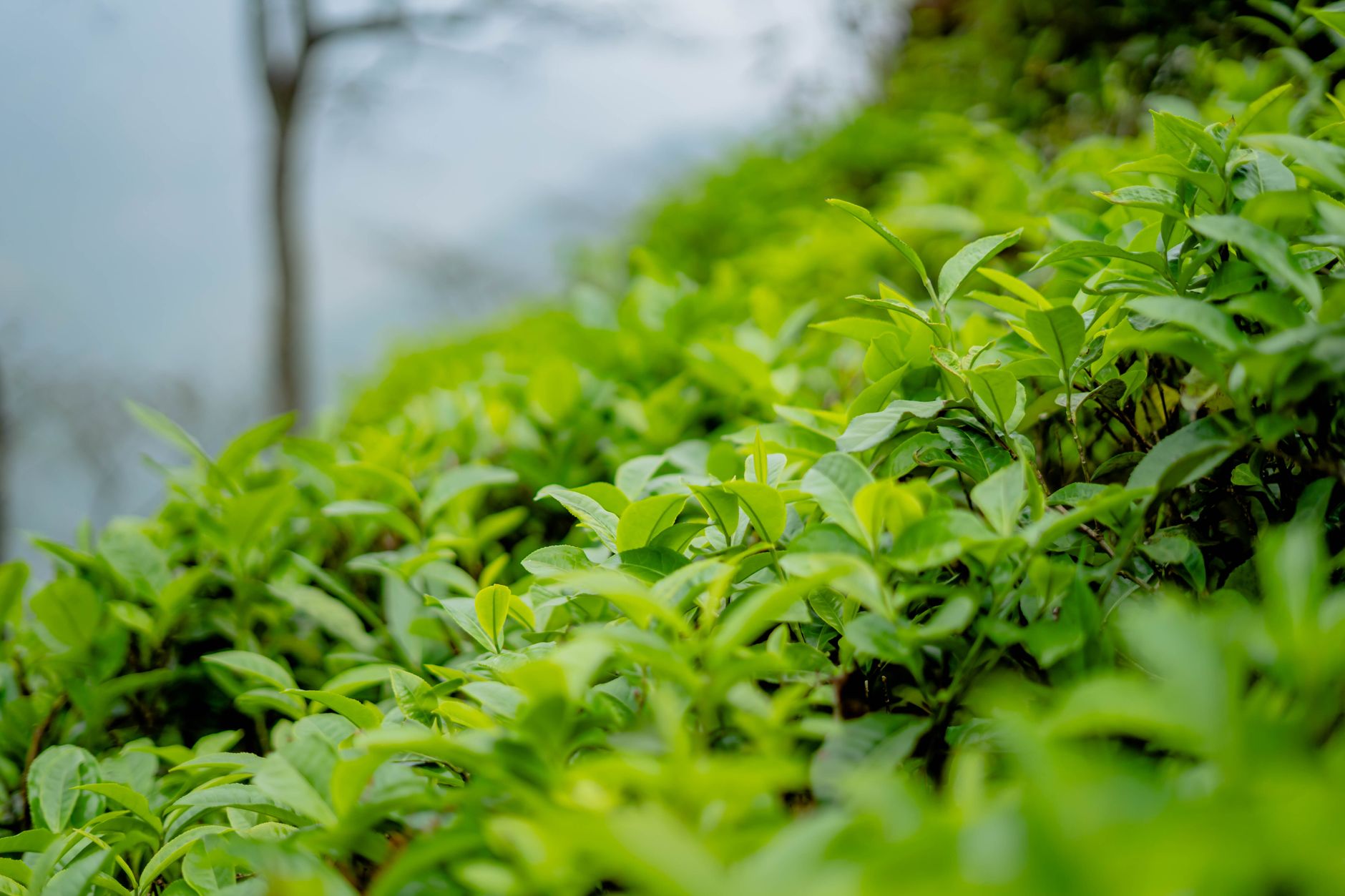
Visiting a working tea estate provides insight into the production of Darjeeling’s world-famous tea, from the careful plucking of the distinctive two leaves and a bud through processing stages that transform fresh leaves into the finished product prized by connoisseurs worldwide. Estates including Happy Valley, Makaibari, and Glenburn offer guided tours that explain the cultivation, harvesting, and processing methods that distinguish Darjeeling tea, while also revealing the social and economic structures of the tea industry that has shaped the region for over 150 years. These tours typically culminate in tasting sessions where visitors sample various grades and flushes, learning to appreciate the subtle differences that determine quality and price.
The timing of estate visits affects what visitors observe, with spring (first flush, March-April) and summer (second flush, May-June) harvests providing opportunities to witness active plucking and processing operations. Some estates offer more immersive experiences including overnight stays, multi-day programs, and opportunities to participate in tea picking alongside regular workers. Advance booking is recommended for estate tours, particularly for premium estates that limit daily visitor numbers to maintain the quality experience.
7. Attend a Tea Tasting Session
Professional tea tasting sessions offer deeper exploration of Darjeeling tea’s complexity than casual drinking allows, teaching participants to evaluate teas using the same methods employed by professional tasters who grade and price the region’s production. Sessions typically cover evaluation of dry leaf appearance, infusion color, aroma, and the multiple dimensions of flavor that distinguish different estates, elevations, and processing methods. Understanding how to properly taste tea enhances appreciation not only during the session but in all future tea drinking, transforming a common beverage into a sophisticated sensory experience.
The Darjeeling Tea Research and Development Centre and various private tea retailers in town offer tasting sessions ranging from brief introductions to comprehensive courses spanning multiple hours. Sessions typically include comparison of different flush seasons (first flush, second flush, autumn flush), different estates, and different grades within the same production. Participants learn proper tasting technique including the distinctive slurping method that professionals use to aerate the tea across the palate, maximizing perception of subtle flavor notes.
8. Shop for Premium Tea at Nathmulls
Nathmulls Tea House represents one of Darjeeling’s most respected tea retailers, offering premium selections from estates across the region in a historic shop that has served tea enthusiasts for generations. The knowledgeable staff guide visitors through the complexities of Darjeeling tea, helping match preferences to appropriate selections while explaining the factors that influence quality and price. Purchasing directly from established retailers like Nathmulls ensures authenticity in a market where counterfeit and adulterated products unfortunately proliferate, particularly at lower price points.
Beyond retail shopping, establishments like Nathmulls often offer informal tasting opportunities that allow comparison of different options before purchase. Understanding the grading system (SFTGFOP, FTGFOP, etc.), flush seasons, and estate characteristics helps visitors make informed selections appropriate for their preferences and budgets. Proper storage instructions provided with purchase help ensure that premium tea maintains quality during transport and subsequent storage at home.
Cultural Experiences
9. Explore Buddhist Monasteries
Darjeeling’s Buddhist heritage manifests in numerous monasteries that provide insight into Tibetan Buddhist traditions maintained by communities that include both historic local populations and Tibetan refugees who arrived following the 1959 exodus from Tibet. Ghum Monastery (Yiga Choeling), established in 1850, ranks among the region’s oldest and most significant, housing a 15-foot statue of Maitreya Buddha and continuing daily practice traditions. Other notable monasteries include Bhutia Busty Monastery with its collection of Buddhist scriptures and Druk Sangak Choeling near the Peace Pagoda.
Visiting monasteries offers opportunities to observe Buddhist practice, view religious art and artifacts, and understand the spiritual traditions that shape life for many in the Darjeeling hills. Timing visits to coincide with morning or evening prayer sessions allows observation of active religious practice, while monastery festivals throughout the year feature elaborate masked dances and ceremonies that draw large crowds. Respectful behavior including removing shoes, maintaining quiet voices, and asking permission before photography demonstrates cultural sensitivity essential when visiting active religious sites.
10. Visit the Himalayan Mountaineering Institute
The Himalayan Mountaineering Institute (HMI) preserves the history of Himalayan climbing while training future generations of mountaineers, occupying grounds that include a museum, training facilities, and memorials to climbing history’s greatest achievements. Founded in 1954 with Tenzing Norgay as its first Director of Field Training, the institute commemorates the legacy of the legendary Sherpa who, along with Edmund Hillary, first summited Everest in 1953. The museum displays climbing equipment spanning decades of Himalayan exploration, from primitive early gear to modern technical equipment, along with personal effects and artifacts from historic expeditions.
The Tenzing Norgay memorial on the institute grounds honors the man who put Darjeeling at the center of mountaineering history, while the adjacent Padmaja Naidu Himalayan Zoological Park allows combination of cultural and natural attractions. HMI continues operating active mountaineering courses for those interested in learning climbing skills, though these require advance enrollment and multi-week commitment. For casual visitors, the museum and grounds provide excellent introduction to Himalayan climbing history in an appropriately dramatic setting.
11. Wander Through the Chowrasta and Mall Road
The Chowrasta (meaning “four roads”) functions as Darjeeling’s social heart, a pedestrian plaza where four roads converge at the town’s highest point, surrounded by shops, restaurants, and the Mahakal Temple while providing gathering space for locals and tourists alike. The adjacent Mall Road extends along the ridge, lined with colonial-era buildings housing shops and eateries that preserve the hill station atmosphere that has attracted visitors since British times. Evening hours bring particular vibrancy as locals and tourists promenade along the pedestrianized areas, enjoying mountain views and the cool evening air.
Street vendors at Chowrasta sell everything from woolen goods and souvenirs to hot momos and fresh corn, creating a lively market atmosphere that peaks during tourist season. The surrounding architecture ranges from well-preserved colonial buildings to more recent construction, with notable landmarks including the Oxford Book Shop and various hotels that have served guests for generations. The Mahakal Temple at Chowrasta provides panoramic views over the town while the open plaza offers space for festivals, performances, and daily socializing that makes this area essential for understanding contemporary Darjeeling life.
12. Experience Local Cuisine
Darjeeling’s culinary scene reflects its diverse population, blending Nepali, Tibetan, Bengali, and colonial influences into a distinctive food culture that rewards adventurous eating. Momos (steamed or fried dumplings) appear everywhere from street stalls to upscale restaurants, with fillings ranging from traditional meat to innovative vegetarian options. Thukpa (noodle soup), tingmo (steamed bread), and various Tibetan and Nepali dishes provide hearty fare suited to the mountain climate, while the colonial legacy appears in establishments serving everything from English breakfast to afternoon tea.
Keventers, a Darjeeling institution since 1920, offers milkshakes and breakfast that have satisfied generations of visitors, while Glenary’s combines bakery, restaurant, and bar in an establishment that captures colonial-era elegance. Local eateries throughout the town serve authentic regional cuisine at modest prices, providing opportunities to experience the everyday food culture beyond tourist-oriented establishments. The cold climate supports a thriving street food culture featuring hot snacks and warming beverages that provide sustenance while exploring on foot.
13. Browse Lloyd’s Botanical Garden
Lloyd’s Botanical Garden preserves extensive collections of Himalayan flora across 40 acres of landscaped grounds established in 1878, providing peaceful green space that combines scientific collection with aesthetic pleasure. The gardens specialize in orchids, rhododendrons, and alpine plants native to the eastern Himalayas, with peak flowering seasons creating spectacular displays that justify repeat visits during different times of year. Tree ferns, conifers, and various Himalayan species thrive in the cool, moist conditions that make Darjeeling ideal for botanical cultivation.
Walking paths wind through the gardens past labeled specimens, rockeries, and water features that together create diverse microhabitats supporting different plant communities. The greenhouse collections protect delicate species requiring controlled conditions while providing year-round interest when outdoor displays are less impressive. Botanical enthusiasts may spend several hours exploring the collections thoroughly, while casual visitors often combine the gardens with nearby attractions including the zoo and HMI for a full day’s sightseeing.
Nature and Wildlife
14. Visit Padmaja Naidu Himalayan Zoological Park
The Padmaja Naidu Himalayan Zoological Park specializes in conservation of endangered Himalayan species, housing animals including red pandas, snow leopards, Himalayan black bears, and various pheasant species in naturalistic enclosures across forested hillside. The zoo participates in international breeding programs for endangered species, contributing to conservation efforts that extend far beyond visitor entertainment. The red panda breeding program has achieved particular success, with animals bred here distributed to conservation programs worldwide.
The zoo’s layout takes advantage of natural terrain, with enclosures distributed along pathways that wind through forests providing exercise as well as animal viewing. The naturalistic settings mean animals are not always easily visible, particularly during midday when many species rest in shelter, making early morning visits most productive for wildlife observation. Educational displays throughout the park explain conservation challenges facing Himalayan wildlife, connecting visitor experience to broader environmental issues affecting the region.
15. Explore Batasia Loop and War Memorial
Batasia Loop represents one of the most dramatic engineering features of the Darjeeling Himalayan Railway, a spiral track that allows the train to lose elevation while providing passengers with 360-degree views of Kanchenjunga and the surrounding mountains. The loop incorporates a beautifully maintained garden and war memorial honoring Gorkha soldiers, creating a destination that combines railway heritage, horticulture, and military commemoration. Visitors can explore the grounds on foot or time their visit to coincide with train passages that demonstrate the loop’s engineering purpose.
The well-maintained gardens surrounding the loop feature seasonal flower displays, topiary, and pathways that provide various perspectives on both the railway feature and the mountain views beyond. The war memorial commemorates Gorkha soldiers from the Darjeeling hills who served in various conflicts, with an eternal flame and bronze plaques honoring those who gave their lives. On clear days, the panoramic mountain views from Batasia Loop rival those from more distant viewpoints, making this an efficient option for visitors with limited time.
16. Watch Birds at Senchal Wildlife Sanctuary
Senchal Wildlife Sanctuary protects 38 square kilometers of mixed forest that serves as critical habitat for numerous bird species and provides water supply for Darjeeling town. The sanctuary encompasses Senchal Lake and Tiger Hill, offering trekking opportunities through terrain that supports both resident and migratory bird populations. Birdwatching enthusiasts may observe species including various pheasants, laughingthrushes, babblers, and raptors depending on season and luck.
Access to the sanctuary requires permits obtainable from the Forest Department, with certain areas restricted during breeding seasons or for security reasons given the sanctuary’s water supply function. The combination of altitude range, forest types, and protected status creates biodiversity that rewards dedicated naturalists willing to invest time and effort in exploration. Local guides with knowledge of bird populations and behavior enhance observation success while providing interpretation that connects individual sightings to broader ecological context.
17. Trek to Tiger Hill via Senchal Road
While most visitors reach Tiger Hill by vehicle in darkness for sunrise viewing, alternative approaches including the trek from Darjeeling via Senchal Road provide more immersive experience of the landscapes that surround the famous viewpoint. The approximately 11-kilometer trek follows roads and paths through forest and settlement areas, gaining elevation gradually while providing exercise and scenery that vehicle-based visits entirely miss. Trekkers can time their departure to arrive for sunset rather than sunrise, avoiding the crowds that characterize early morning while still enjoying spectacular mountain views.
The route passes through varied terrain including rhododendron forest, tea gardens, and small settlements that together provide comprehensive introduction to the Darjeeling landscape. Physical demands are moderate for reasonably fit hikers, though the elevation gain of several hundred meters requires appropriate pacing. Local guides can arrange treks that include variations on the standard route, visits to points of interest along the way, and logistics for return transportation.
Unique Experiences
18. Ride the Cable Car to Rangeet Valley
The Darjeeling Ropeway (cable car) provides aerial perspectives across the Himalayan landscape, descending from Darjeeling town to Singla Bazaar in the Rangeet Valley far below. The journey covers approximately 8 kilometers, making it one of Asia’s longest cable car routes, with continuously changing views as the car drops over 2,000 meters in elevation through tea gardens, forests, and dramatic mountain terrain. The aerial perspective reveals the topography in ways impossible to appreciate from ground level, providing photographic opportunities that capture the landscape’s dramatic scale.
Technical difficulties have periodically interrupted ropeway operations over the years, making confirmation of current operating status advisable before planning visits dependent on availability. When operating, the journey takes approximately one hour for the complete round trip, though one-way options exist for those planning to return by road. The lower terminus at Singla provides access to the Rangeet River and connections to other destinations, while the upper station near Chowrasta offers convenient access to central Darjeeling.
19. Visit Rock Garden and Ganga Maya Park
Rock Garden occupies dramatically terraced terrain on the road between Darjeeling and the plains, with landscaped gardens built into rocky hillside incorporating waterfalls, streams, and pathways that wind through multiple levels creating a recreational space unlike anything else in the region. The adjacent Ganga Maya Park features a small lake with boating facilities, further extending recreational opportunities in this developed area approximately 10 kilometers below Darjeeling town. The gardens demonstrate creative adaptation of challenging terrain into attractive public space, though the developed character may disappoint visitors seeking natural experiences.
The waterfall feature that flows through Rock Garden draws from a mountain stream, creating cascading displays that provide the garden’s visual centerpiece. Pathways incorporate bridges, viewing platforms, and rest areas that allow exploration of the multi-level terrain while preventing dangerous access to unstable areas. Local families particularly favor weekend visits, creating lively atmospheres that contrast with Darjeeling’s more tranquil colonial-era gardens. Combined visits with nearby Ganga Maya Park provide a half-day outing that works well as a change of pace from sightseeing focused on historical and natural attractions.
20. Explore Japanese Peace Pagoda
The Japanese Peace Pagoda at Darjeeling represents one of approximately 80 such pagodas worldwide built by the Japanese Buddhist order Nipponzan Myohoji to promote world peace and non-violence following the devastation of World War II. Located at Jalapahar near the Himalayan Mountaineering Institute, the white stupa provides spiritual significance, architectural interest, and panoramic views that together create a destination rewarding multiple levels of engagement. Four golden statues of Buddha representing different periods of his life mark the cardinal directions around the pagoda.
The peaceful grounds surrounding the pagoda invite contemplation and photography, while the architectural contrast between Japanese Buddhist design and the Himalayan landscape creates visually striking compositions. Monks at the associated monastery welcome interested visitors and may explain the peace mission that motivates the global pagoda-building effort. The location near HMI and the zoo allows efficient combination with these attractions for visitors organizing sightseeing circuits.
21. Photograph at Lamahatta Eco-Park
Lamahatta represents a more recent addition to Darjeeling’s tourist attractions, an eco-park development approximately 23 kilometers from town that combines forest conservation with recreational facilities including treehouses, nature trails, and viewpoints. The park’s location away from Darjeeling’s congestion provides more peaceful alternative to crowded central attractions, while the developed facilities make nature access comfortable for visitors uncomfortable with more challenging wilderness environments. Pine forest setting and mountain views provide scenic backdrops that attract photographers and those seeking escape from urban environments.
Development at Lamahatta attempts to balance conservation with tourism, providing economic benefits to local communities while preserving forest that might otherwise face development pressure. Walking trails of varying difficulty levels accommodate different fitness levels and time constraints, from short paths suitable for casual visitors to longer routes requiring moderate hiking ability. The treehouses and eco-lodges offer overnight accommodation for those wanting to experience the forest environment during early morning and evening hours when wildlife is most active.
22. Day Trip to Mirik Lake
Mirik Lake lies approximately 49 kilometers from Darjeeling, offering a day-trip destination centered on a scenic lake surrounded by pine forest and tea gardens. The lake’s calm waters permit boating activities while surrounding pathways provide walking routes through attractive landscaping. The journey itself follows scenic routes through varied terrain including tea estates and forest, making the travel time an integral part of the experience rather than mere transition between destinations.
The town of Mirik surrounding the lake provides facilities including restaurants and shops catering to visitors, while the more relaxed pace compared to Darjeeling allows for slower-paced exploration. Gardens around the lake feature seasonal flowers and ornamental plantings that enhance the natural lake setting. The Hindu temple and Buddhist monastery near the lake represent the religious diversity characterizing hill communities in this region. Many visitors combine Mirik with other attractions along the route for comprehensive day trips that maximize exposure to the varied landscapes southwest of Darjeeling.
23. Visit Ging Tea Estate for Organic Tea
Ging Tea Estate represents one of Darjeeling’s oldest tea gardens, established in 1850 and now certified for organic production that distinguishes its teas in both environmental impact and flavor profile. Located approximately 5 kilometers from Darjeeling, the estate offers tours explaining organic cultivation methods that eschew synthetic chemicals while maintaining the quality standards expected of Darjeeling tea. The estate’s history spans nearly the entire period of Darjeeling tea production, providing perspective on the industry’s evolution from colonial establishment through contemporary organic certification.
Tours at Ging explain how organic practices affect every stage of tea production from soil management through processing, with particular attention to the natural pest control and fertilization methods that replace synthetic inputs. The comparisons between organic and conventional production help visitors understand the tradeoffs and benefits of different cultivation approaches. Tasting sessions allow evaluation of organic teas that many enthusiasts consider superior in subtlety and complexity, while the estate shop sells products directly to visitors at prices that reward the journey.
Shopping and Souvenirs
24. Shop for Handicrafts at Hayden Hall
Hayden Hall and similar establishments supporting local craftspeople offer opportunities to purchase authentic handicrafts while contributing directly to economic development in mountain communities. Products include traditional woolen goods, Tibetan carpets, religious items, and various handcrafted products produced by local artisans. The focus on fair trade and community benefit distinguishes such establishments from purely commercial operations, providing shoppers with confidence that purchases support positive social outcomes.
The Tibetan Refugee Self Help Centre provides similar opportunities with specific focus on Tibetan refugees, demonstrating traditional crafts including carpet weaving, woodcarving, and painting while selling finished products. Watching artisans at work provides appreciation for the skills involved in traditional production that factory-made alternatives cannot replicate. The quality and authenticity of products from such establishments typically exceeds that of mass-produced souvenirs sold in commercial markets, justifying price premiums for discerning shoppers.
25. Buy Local Cheese and Produce
Darjeeling’s cool climate supports production of cheese, honey, and other specialty foods that make excellent souvenirs reflecting local agricultural traditions. The Darjeeling Cheese factory produces varieties developed during colonial times that cannot be replicated in warmer climates, while local honey production takes advantage of diverse floral sources across the altitude range from plains to high mountains. Fresh produce including seasonal fruits and vegetables demonstrates the agricultural diversity that sustains hill communities beyond the famous tea industry.
Local markets including the vegetable market below Chowrasta provide opportunities to explore the everyday commerce that sustains residents beyond tourist-oriented trade. The produce on display reflects seasonal availability and local growing conditions, offering insight into dietary patterns shaped by climate and tradition. Specialty food shops and hotel boutiques package local products for easier transport, though market prices typically offer better value for those willing to manage their own packaging and transport logistics.
Darjeeling Activity Planning Tips
- Book Tiger Hill taxis at least a day in advance during peak season
- Verify Toy Train schedules and availability before planning around specific services
- Carry warm layers regardless of season – mountain weather changes rapidly
- Allow flexibility for weather-dependent activities like paragliding and sunrise viewing
- Combine nearby attractions efficiently to maximize limited time
Frequently Asked Questions About Things to Do in Darjeeling
How many days do I need for Darjeeling activities?
A minimum of 3-4 days allows coverage of major attractions including Tiger Hill, tea garden visits, the Toy Train, and key cultural sites. Active travelers interested in trekking, rafting, and comprehensive exploration should allow 5-7 days. The Sandakphu trek alone requires 4-6 days beyond base time in Darjeeling.
What is the best time for outdoor activities in Darjeeling?
October-November offers the clearest weather with excellent mountain visibility and comfortable temperatures. March-May provides good conditions with spring flowers, though pre-monsoon clouds can build in afternoons. Monsoon season (June-September) brings heavy rainfall that restricts many outdoor activities and limits visibility.
Are adventure activities safe in Darjeeling?
Reputable operators maintain good safety standards for activities including rafting, paragliding, and trekking. However, quality varies significantly, so verify operator credentials, equipment condition, and guide qualifications before booking. The remoteness of some areas means emergency services may be limited, making proper preparation and operator selection particularly important.
Can I do tea garden visits independently?
Some estates welcome independent visitors while others require advance booking or tour operator arrangements. Happy Valley accepts walk-in visitors during operating hours, while estates like Glenburn require reservations. Factory tours typically run during specific hours that coincide with processing operations, requiring timing consideration regardless of booking method.
What should I pack for Darjeeling activities?
Layer clothing for temperature variations between sheltered valley areas and exposed viewpoints. Comfortable walking shoes suit most activities, while serious trekking requires appropriate boots. Rain protection is essential year-round, with waterproof jackets more practical than umbrellas on steep terrain. Sun protection including hat and sunscreen is important at altitude where UV exposure intensifies.
Planning your Darjeeling activities requires balancing weather considerations, physical capabilities, and personal interests among the diverse options this hill station offers. For more information, explore our guides to best time to visit Darjeeling, best hotels in Darjeeling, places to visit in Darjeeling, and Darjeeling trip cost.
Ready for Darjeeling Adventures?
Book your perfect Darjeeling accommodation now and start planning your hill station experience.