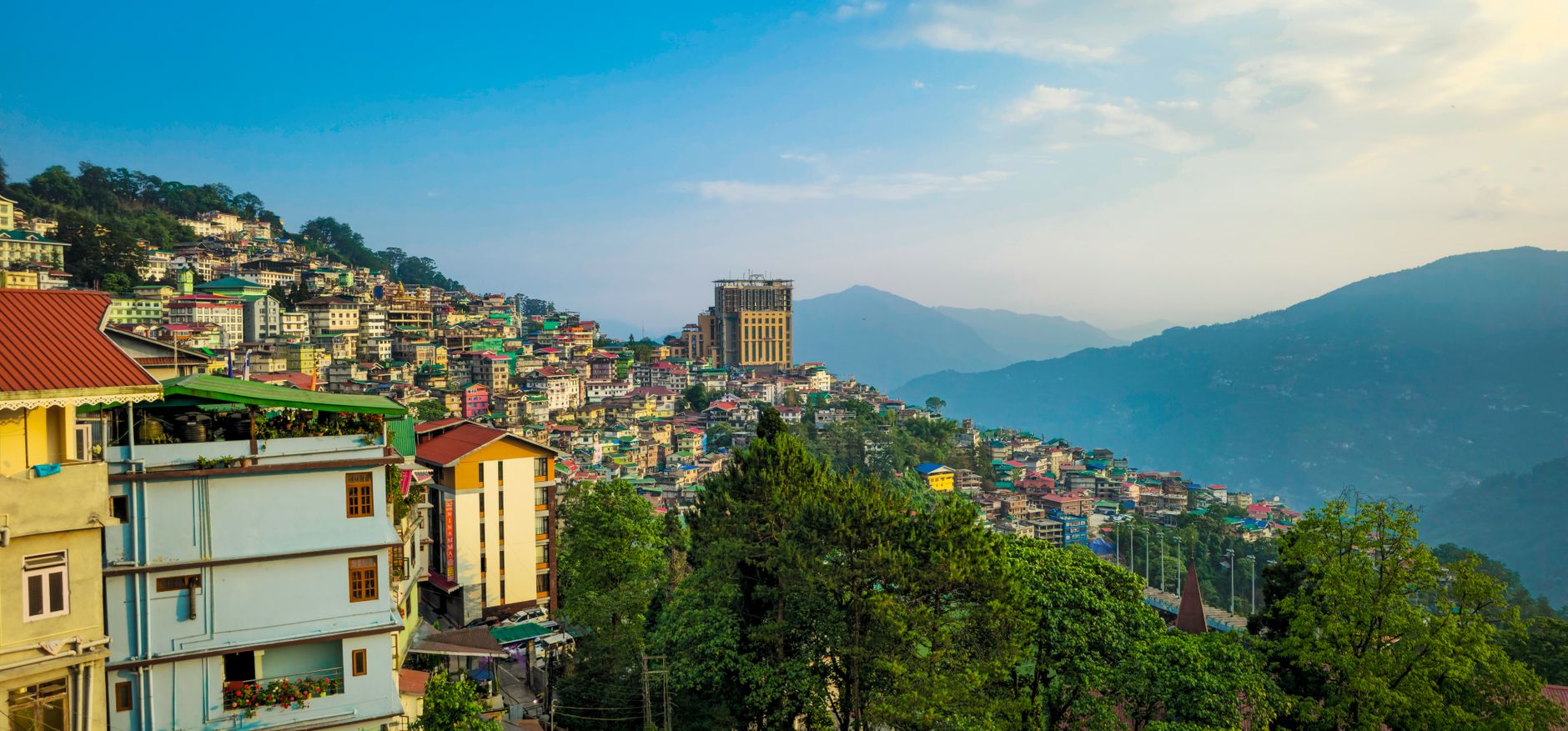
Gangtok, the capital city of Sikkim, perches dramatically along a ridge at 1,650 meters above sea level, offering a unique blend of traditional Himalayan culture and modern urban amenities that makes it the perfect base for exploring this enchanting northeastern state. The city cascades down the mountainside in tiers of colorful buildings, prayer flags, and winding roads that reveal new perspectives at every turn. As the gateway to Sikkim’s Buddhist heritage and high-altitude Himalayan landscapes, Gangtok draws travelers seeking everything from ancient monastery visits to adventure sports and breathtaking mountain views. Understanding the best places to visit in Gangtok helps you maximize your time in this captivating capital city and plan excursions to nearby attractions that rank among India’s most spectacular natural wonders.
Whether you’re a spiritual seeker interested in Buddhist monasteries, an adventure enthusiast craving high-altitude experiences, or a nature lover seeking Himalayan vistas that include glimpses of the world’s third-highest peak, Gangtok delivers experiences that create lasting memories. This comprehensive guide covers fifteen essential destinations in and around Gangtok, complete with practical information, honest assessments, and insider tips to help you make the most of your Sikkim adventure.
Quick Facts: Gangtok at a Glance
Overview: 15 Best Places to Visit in Gangtok
| Place | Type | Distance from Gangtok | Time Required | Entry Fee | Best Season |
|---|---|---|---|---|---|
| MG Marg | Promenade | City Center | 2-3 Hours | Free | Year-round |
| Rumtek Monastery | Monastery | 24 km | 2-3 Hours | ₹20 | Year-round |
| Tsomgo Lake | Lake | 40 km | Half Day | Permit Required | Apr-Jun, Sep-Dec |
| Nathula Pass | Border/Pass | 56 km | Half Day | Permit Required | Apr-Jun, Sep-Nov |
| Hanuman Tok | Temple/Viewpoint | 11 km | 1-2 Hours | Free | Year-round |
| Ganesh Tok | Temple/Viewpoint | 7 km | 1 Hour | Free | Year-round |
| Tashi Viewpoint | Viewpoint | 8 km | 1 Hour | ₹10 | Oct-May |
| Enchey Monastery | Monastery | 3 km | 1-2 Hours | Free | Year-round |
| Do Drul Chorten | Stupa | 2 km | 1 Hour | Free | Year-round |
| Namgyal Institute | Museum | 2 km | 1-2 Hours | ₹10 | Year-round |
| Ban Jhakri Falls | Waterfall/Park | 7 km | 2 Hours | ₹60 | Year-round |
| Baba Mandir | Temple | 52 km | 2 Hours | Free | Apr-Nov |
| Flower Exhibition Centre | Garden | City Center | 1 Hour | ₹10 | Year-round |
| Himalayan Zoological Park | Zoo | 7 km | 2-3 Hours | ₹25 | Year-round |
| Ropeway | Cable Car | City Center | 1 Hour | ₹127-327 | Year-round |
1. MG Marg: The Heart of Gangtok
Mahatma Gandhi Marg, universally known as MG Marg, functions as the social, commercial, and cultural heart of Gangtok, a beautifully maintained pedestrian promenade that showcases the best of modern Sikkim while respecting traditional aesthetics. The street stretches for approximately half a kilometer through the city center, lined with shops, restaurants, hotels, and cultural spaces that cater to both tourists and locals. Vehicle-free zones, wooden benches, ornamental flower beds, and traditional architectural elements create an atmosphere that feels distinctly different from typical Indian commercial areas.
The pedestrianization of MG Marg, completed in the early 2000s, transformed what was once a congested commercial street into one of India’s most pleasant urban spaces, earning recognition as one of the cleanest and most organized market areas in the country. Evening hours bring the street alive with families strolling, couples enjoying coffee at outdoor cafes, and travelers sampling momos at various restaurants. The strict cleanliness standards and prohibition on vehicles, honking, and littering create a remarkably peaceful atmosphere for a major commercial center.
Shopping opportunities along MG Marg range from traditional Sikkimese handicrafts and Tibetan artifacts to modern clothing and electronics. Several shops specialize in local products including thangka paintings, traditional clothing, Buddhist religious items, organic teas, and handwoven textiles. The street also houses ATMs, travel agencies, tour operators, and the Tourism Information Centre, making it a practical hub for organizing your Gangtok explorations. Restaurants serve everything from traditional Sikkimese and Tibetan cuisine to Continental, Chinese, and fast food options.
MG Marg Insider Tips
- Visit during evening hours (5-8 PM) when the street comes alive with activity and pleasant lighting
- Try momos (steamed dumplings) at multiple restaurants to compare styles – each has unique recipes
- Photography is best in late afternoon when mountain views behind the street are clearest
- The Titanic Restaurant offers good rooftop views over the promenade
- Weekend evenings can get crowded with local families – weekday evenings are more peaceful
2. Rumtek Monastery: Seat of the Karmapa
Rumtek Monastery stands as one of the most significant Tibetan Buddhist centers outside Tibet, serving as the seat-in-exile of the Karmapa, the head of the Karma Kagyu school of Tibetan Buddhism. Located approximately 24 kilometers from Gangtok, this sprawling monastery complex replicates the original Tsurphu Monastery in Tibet and houses an extraordinary collection of religious artifacts, thangka paintings, and Buddhist sculptures that rank among the finest in the Himalayan region. The monastery’s strategic hilltop location provides commanding views of the surrounding valleys and mountains, creating an atmosphere that perfectly combines spiritual significance with natural beauty.
The main temple at Rumtek showcases traditional Tibetan architectural styles with colorful murals, intricate wood carvings, and golden Buddha statues that demonstrate the artistic traditions of Tibetan Buddhism. Regular prayer ceremonies fill the halls with the sounds of chanting monks, drums, and horns, offering visitors an authentic glimpse into monastic life that continues largely unchanged from centuries-old traditions. The monastery also houses an important seminary that trains monks from across the Himalayan region and maintains the intellectual traditions of the Karma Kagyu lineage.
Security at Rumtek has increased significantly in recent decades due to controversies surrounding the Karmapa succession, with visitors now passing through airport-style security checks and facing restrictions on photography within the main temple. Despite these measures, the monastery remains welcoming to visitors who come with genuine interest in Buddhist culture and spiritual practice. The on-site Karma Shri Nalanda Institute for Higher Buddhist Studies operates a small museum displaying historical photographs and religious artifacts.

3. Tsomgo Lake (Changu Lake)
Tsomgo Lake, also known as Changu Lake, presents one of the most spectacular high-altitude lake experiences accessible by road in the Indian Himalayas, sitting at an elevation of 3,753 meters approximately 40 kilometers from Gangtok. The glacially-fed lake changes character dramatically with the seasons, frozen solid during winter months, surrounded by blooming rhododendrons in spring, reflecting pristine blue skies during summer, and bordered by golden autumn foliage. This seasonal transformation means that repeat visits during different times of year reveal entirely different aspects of the lake’s beauty.
Visiting Tsomgo Lake requires a Protected Area Permit (PAP) that Indian nationals can obtain through tour operators in Gangtok with valid photo identification. The permit process typically requires booking through registered tour operators who organize group excursions departing early morning to make the most of typically clear morning conditions before clouds often move in during afternoon hours. Foreign nationals face additional permit requirements and must travel with registered guides.
The lake holds sacred significance for local Buddhists and Hindus, with a shrine on the lakeside where devotees offer prayers. Yak rides around the lake shore provide a popular activity, though animal welfare concerns have led some visitors to question these practices. The road to Tsomgo Lake continues to Nathula Pass, and many visitors combine both destinations in a single day trip. Facilities at the lake include basic restaurants serving hot meals, tea, and coffee, though visitors should carry snacks and warm clothing as temperatures drop significantly at this altitude regardless of season.
4. Nathula Pass: Historic Border Crossing
Nathula Pass sits at 4,310 meters on the Indo-China border, one of the highest motorable roads in the world and a point of tremendous historical and strategic significance along the ancient Silk Route connecting India with Tibet and beyond. The pass was closed following the 1962 Sino-Indian War and reopened for limited border trade in 2006, with tourist access permitted on certain days each week. Standing at Nathula provides an extraordinary experience of being at one of the world’s highest border crossings, with Indian and Chinese soldiers stationed within visible distance of each other.
Access to Nathula Pass requires Protected Area Permits similar to those needed for Tsomgo Lake, with additional restrictions including closure on Mondays and Tuesdays, no access during winter months when snow closes the road (typically December-March), and prohibition of foreign nationals from visiting. The permit process requires booking through registered tour operators at least 24-48 hours in advance, with visitors needing to submit identity documents and undergo security verification.
The altitude at Nathula exceeds that which most visitors are accustomed to, and altitude sickness can affect even healthy individuals. Symptoms including headache, nausea, and shortness of breath are common, and visitors should ascend gradually, staying well-hydrated while avoiding alcohol and excessive physical exertion. The drive from Gangtok takes approximately 2.5-3 hours through spectacular mountain scenery, with stops at Tsomgo Lake and other viewpoints along the way. Warm clothing is essential year-round, as temperatures at the pass can drop well below freezing even during summer months.
5. Hanuman Tok: Highest Temple and Best Views
Hanuman Tok combines religious significance with some of the best panoramic views available anywhere in Gangtok, situated at approximately 2,200 meters elevation on the upper reaches of the city approximately 11 kilometers from the main town. The temple, dedicated to Lord Hanuman, is maintained by the Indian Army and holds particular significance for military personnel stationed in Sikkim. The pristine surroundings and elevated location offer unobstructed views of Kanchenjunga and the surrounding Himalayan ranges that many visitors consider the finest viewpoints accessible without permits or extended travel.
The approach road to Hanuman Tok winds through forested hillsides past army cantonment areas, arriving at the temple complex that includes gardens, viewing platforms, and the main shrine. Early morning visits offer the best chances for clear mountain views, as clouds often build during afternoon hours. The temple’s military connection means the area receives exceptional maintenance, with gardens kept immaculate and facilities in better condition than many other religious sites in the region.
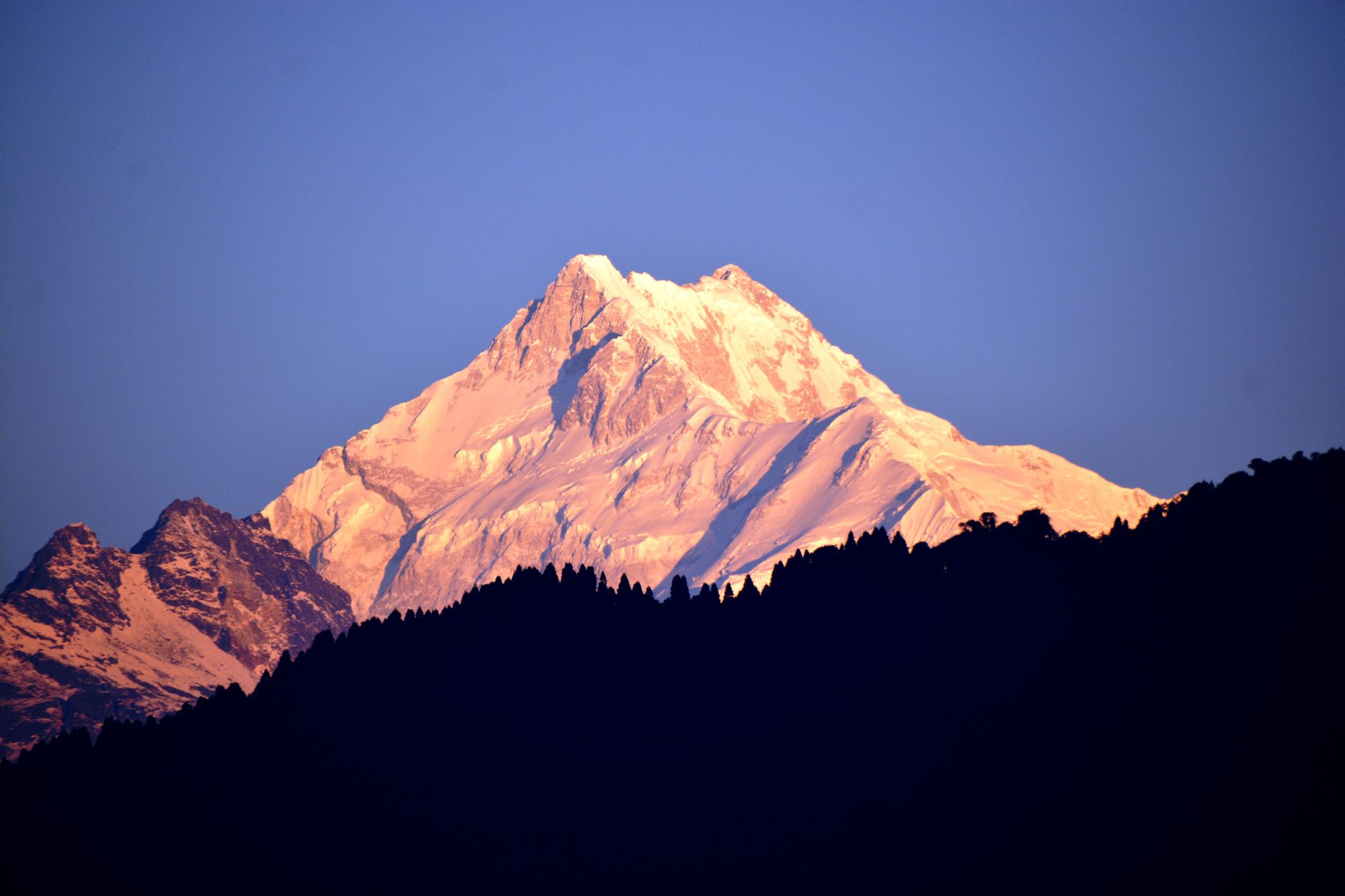
Sunrise visits to Hanuman Tok provide magical experiences when weather permits, with the first rays of sun illuminating Kanchenjunga’s snow-covered peaks in shades of orange and pink. Local guides often recommend combining Hanuman Tok with Ganesh Tok, Tashi Viewpoint, and other attractions along the same northern route from Gangtok for a comprehensive half-day sightseeing experience. The temple complex includes basic refreshment facilities, though serious photographers may prefer to bring their own provisions to maximize time during optimal lighting conditions.
6. Ganesh Tok: Temple with Valley Views
Ganesh Tok occupies a strategic ridge position approximately 7 kilometers from Gangtok center, offering excellent views of the capital city below and the Kanchenjunga range beyond. The small temple dedicated to Lord Ganesh draws both devotees seeking blessings and tourists attracted by the panoramic viewpoints and pleasant gardens surrounding the shrine. The compact site requires minimal time to explore, making it an efficient stop on the northern sightseeing circuit that includes Hanuman Tok and Tashi Viewpoint.
The viewing gallery at Ganesh Tok provides telescopes for closer observation of distant peaks, though clear conditions remain essential for worthwhile mountain views. On clear days, the snow-covered peaks of Kanchenjunga dominate the northern horizon while the terraced hillsides and clustered buildings of Gangtok spread out below the viewer. The perspective from Ganesh Tok helps visitors understand Gangtok’s dramatic topography, with buildings stacked along ridges and valleys in a pattern shaped by centuries of adaptation to the mountainous terrain.
Facilities at Ganesh Tok include a small cafeteria serving snacks and beverages, public restrooms, and souvenir shops selling local handicrafts and religious items. The site sees heavy visitor traffic during peak tourist season, with organized tour groups cycling through regularly during morning hours. Independent visitors may prefer late afternoon visits when crowds thin and the lower-angle sunlight enhances photography opportunities, though this timing sacrifices the typically clearer morning mountain views.
7. Tashi Viewpoint: Panoramic Mountain Views
Tashi Viewpoint claims distinction as one of the most comprehensive mountain viewing locations in the Gangtok area, offering 180-degree panoramas that encompass not only Kanchenjunga but multiple other major peaks of the eastern Himalayas including Kabru, Pandim, Siniolchu, and others in the extensive mountain chain. Located approximately 8 kilometers from central Gangtok, the viewpoint attracts visitors primarily for sunrise viewing when clear conditions transform the snow-covered peaks into a display of golden-red colors that rank among the Himalayas’ most spectacular sights.
The viewpoint complex includes multiple viewing platforms at different elevations, a cafeteria, handicraft shops, and informational displays identifying the various peaks visible from the site. During the tourist season, local vendors set up temporary stalls selling hot tea, coffee, snacks, and souvenirs, creating a social atmosphere that contrasts with the solitary mountain contemplation many visitors expect. The platforms provide benches for extended viewing sessions and designated photography positions that capture the most photogenic angles.
Optimal timing for Tashi Viewpoint visits centers on early morning hours, typically between 5:30-7:30 AM, when mountain visibility reaches its peak before daytime heating creates clouds and haze that obscure the peaks. Many organized tours include Tashi Viewpoint as the first stop on morning sightseeing circuits, arriving before sunrise to witness the dawn light show. Cloud cover can completely obscure the mountains without warning, making flexibility essential for those hoping to capture clear mountain views.
8. Enchey Monastery: Tantric Buddhist Center
Enchey Monastery holds significance as one of the most important religious sites in Gangtok, a 200-year-old monastery belonging to the Nyingma order that houses powerful tantric practices and religious celebrations that draw devotees from throughout the region. Located just 3 kilometers from the city center on a ridge above the Institute of Tibetology, the monastery provides easy access for visitors while maintaining the peaceful atmosphere essential for religious practice. The annual Chaam masked dance festival in December/January attracts large crowds who witness elaborate ceremonial dances performed by monks wearing colorful costumes and masks representing deities and demons.
The monastery’s relatively compact size belies its spiritual significance, with resident monks maintaining daily prayer schedules that visitors can observe during designated hours. The main prayer hall contains statues of various Buddhist deities, colorful thangka paintings, and traditional decorative elements that exemplify Tibetan Buddhist artistic traditions. Photography restrictions apply within the main shrines, though the exterior courtyard and surrounding gardens permit photography.
The wooded grounds surrounding Enchey Monastery provide pleasant walking paths and viewpoints that overlook Gangtok and the surrounding valleys. Many visitors combine Enchey Monastery visits with the nearby Do Drul Chorten and Namgyal Institute of Tibetology, creating a comprehensive introduction to Gangtok’s Buddhist heritage that can occupy a full morning or afternoon. The monastery’s accessibility and atmospheric setting make it particularly recommended for visitors with limited time who want to experience authentic Tibetan Buddhist culture without traveling far from the city center.
9. Do Drul Chorten: Sacred Buddhist Stupa
Do Drul Chorten stands as one of the most important stupas in Sikkim, built in 1945 by Trulshi Rimpoche to subdue evil spirits and purify negative energies affecting the region. The white stupa rises prominently on a hillside near the Namgyal Institute of Tibetology, surrounded by 108 prayer wheels that devotees circumambulate while spinning the wheels and reciting mantras. The number 108 holds sacred significance in Buddhism, representing the number of earthly temptations that must be overcome to achieve enlightenment.
The stupa complex includes the main chorten, prayer wheel pavilions, and ancillary shrines that together create a contemplative space where visitors can observe Buddhist devotional practices in action. Local devotees visit regularly to perform circumambulation rituals, creating an atmosphere of living faith rather than museum-like preservation. The surrounding gardens provide benches for meditation and reflection, while the elevated location offers views across the surrounding hillsides.
Understanding the religious significance of the stupa enhances visitor appreciation of this site beyond its architectural interest. In Buddhist tradition, stupas contain relics and serve as focal points for meditation and merit-making activities. Walking clockwise around the stupa while maintaining mindful awareness represents a form of moving meditation that practitioners believe generates positive karma. Visitors should maintain respectful behavior, keeping voices low and avoiding disruption of devotees engaged in religious practice.
10. Namgyal Institute of Tibetology
The Namgyal Institute of Tibetology represents one of the world’s most important centers for Tibetan Buddhist scholarship, housing an exceptional collection of manuscripts, thangka paintings, religious artifacts, and historical documents that document the Buddhist heritage of the Himalayan region. Founded in 1958 with support from the Government of India and the Dalai Lama, the institute serves both as a research center for scholars and a museum accessible to general visitors. The traditional Tibetan-style building itself constitutes an architectural attraction, with construction supervised by Tibetan craftsmen using authentic design principles.
The museum collection spans Buddhist art from various Himalayan regions including Tibet, Sikkim, Bhutan, Nepal, and Mongolia, with particularly significant holdings of thangka paintings that illustrate Buddhist deities, mandalas, and narrative scenes with extraordinary artistic detail. Rare manuscripts written in multiple Himalayan languages preserve religious and philosophical texts that might otherwise have been lost, while bronze statues demonstrate the sculptural traditions of different Buddhist schools. The institute’s research library contains thousands of books and documents relating to Tibetan language, culture, and religion.
Guided tours enhance visitor understanding of the collections, with knowledgeable staff explaining the religious significance and artistic traditions represented by different objects. The institute’s location near Do Drul Chorten and Enchey Monastery allows visitors to combine these three sites for a comprehensive morning or afternoon exploration of Gangtok’s Buddhist heritage. Photography restrictions apply within the museum galleries, and visitors should expect to spend at least one to two hours to appreciate the collections properly.
11. Ban Jhakri Falls and Energy Park
Ban Jhakri Falls and Energy Park combines natural beauty with cultural interpretation through a thoughtfully designed park that showcases both a spectacular waterfall and aspects of Sikkimese shamanistic tradition. Located approximately 7 kilometers from Gangtok, the park centers on a 100-foot waterfall cascading through forested hillside, surrounded by themed areas featuring statues, ponds, bridges, and gardens that interpret local folklore and mythology. The “Jhakri” or shaman tradition of Sikkim receives particular attention through giant statues and interpretive displays that explain these practices that continue influencing local culture.
The park’s development reflects efforts to create family-friendly recreational spaces that combine natural attractions with educational content about Sikkimese culture. Walking paths wind through the landscaped grounds past prayer wheel pavilions, ornamental ponds with fish and ducks, and multiple viewing platforms for the waterfall. The forested setting provides pleasant shade and relatively cool temperatures even during summer months, making it a comfortable escape from busier urban areas.
Visitor facilities include a cafeteria serving snacks and meals, public restrooms, souvenir shops, and photography opportunities with statues and backdrops. The park attracts significant family traffic during weekends and holidays, with quieter conditions prevailing on weekday mornings. Some visitors find the artificial elements overdone compared to natural alternatives, while others appreciate the park’s attempt to make natural and cultural attractions accessible to visitors of all ages and physical abilities.
12. Baba Harbhajan Singh Mandir
Baba Mandir, dedicated to Baba Harbhajan Singh, a soldier of the Indian Army who died near the Nathula Pass in 1968, holds extraordinary significance for military personnel and civilians who believe the late soldier’s spirit continues protecting the border region. Located approximately 52 kilometers from Gangtok near the Nathula Pass area, the shrine requires Protected Area Permits and is typically visited as part of organized tours that include Tsomgo Lake and Nathula Pass. The story of Baba Harbhajan Singh’s posthumous miracles and continued service has made this one of the most unusual shrines in India.
According to local legend, Baba Harbhajan Singh’s spirit appeared to fellow soldiers in dreams, requesting construction of a shrine and warning of dangers. The military maintains the shrine and continues treating the deceased soldier as an active member of the forces, with a bed kept made for him, meals served, and leave granted annually to his spirit. This unique military-religious tradition attracts visitors fascinated by the blend of military discipline and supernatural belief that characterizes the site.
The shrine complex includes the main temple, a rest house where Baba’s “bunker” is preserved, and facilities for visitors. Military personnel from the area regularly visit to pay respects, creating a tangible connection between contemporary military service and the supernatural protection attributed to Baba’s spirit. The remote location and permit requirements limit casual visits, but those who make the journey find a deeply atmospheric site where faith, military tradition, and mountain wilderness combine in unexpected ways.
13. Flower Exhibition Centre
The Flower Exhibition Centre showcases Sikkim’s extraordinary botanical heritage through permanent and seasonal displays of orchids, rhododendrons, and other flowering plants that thrive in the state’s diverse microclimates. Located near White Hall in central Gangtok, the center provides accessible introduction to the floral diversity that makes Sikkim one of India’s premier botanical destinations, with approximately 454 species of orchids alone found within the state’s borders. The permanent orchid collection displays year-round, while seasonal exhibitions correspond to peak blooming periods for various species.
The center’s most spectacular displays occur during the spring months when orchid and rhododendron blooms reach their peak, typically from late February through May depending on weather conditions. Special flower festivals held during these periods attract significant visitor numbers and feature competitive displays by cultivators from throughout the region. Even during off-peak seasons, the permanent collections provide worthwhile viewing opportunities for visitors interested in botanical diversity.
Facilities at the center include display halls, gardens, and a small shop selling plants, seeds, and botanical publications. The relatively compact site requires modest time investment, typically 30-60 minutes for thorough viewing, making it an efficient addition to Gangtok sightseeing itineraries. Photography is permitted throughout the center, with macro photography enthusiasts finding exceptional subjects among the orchid displays. The center’s central location near other attractions including the Ropeway makes it easy to combine with other activities.
14. Himalayan Zoological Park
The Himalayan Zoological Park specializes in high-altitude Himalayan wildlife conservation and education, housing species including red pandas, Himalayan black bears, snow leopards, blue sheep, and various pheasant species in naturalistic enclosures spread across forested hillside approximately 7 kilometers from Gangtok center. The park’s conservation focus distinguishes it from traditional zoos, with emphasis on native species and research programs that contribute to wildlife protection efforts throughout the eastern Himalayas.
The zoo’s layout follows the natural hillside terrain, with enclosures distributed along pathways that wind through forests of oak, maple, and rhododendron. Visitors should expect significant walking over uneven terrain, with the complete circuit requiring approximately 2-3 hours depending on pace and wildlife viewing time. The naturalistic enclosures mean animals are not always visible, particularly during midday hours when many species retreat to shelter, making early morning visits more productive for wildlife observation.
Red panda viewing represents a highlight for many visitors, as these endangered animals thrive in the park’s cool, forested environment that closely matches their native habitat. The park participates in breeding programs for endangered species and maintains research partnerships with conservation organizations working throughout the Himalayan region. Educational displays along pathways explain the ecology, conservation status, and cultural significance of species housed within the park.
15. Gangtok Ropeway
The Gangtok Ropeway provides aerial perspectives of the city and surrounding mountains through a cable car journey that connects three stations across Gangtok’s dramatic terrain. The ropeway operates in two sections, with the lower section connecting Deorali to Nam Nang and the upper section continuing to Tashiling. The journey offers continuously changing views as the cable car rises above the crowded hillside streets, revealing the city’s layout and the mountain backdrop in ways impossible to appreciate from ground level.
Clear weather enhances the ropeway experience significantly, with mountain views extending to Kanchenjunga and other major peaks when conditions permit. Cloud cover, which develops frequently during afternoon hours and throughout the monsoon season, can reduce visibility substantially. Morning rides generally offer better conditions for mountain viewing, while evening rides provide dramatic sunset light over the city below. The complete round-trip journey typically requires approximately 30-45 minutes depending on wait times and viewing stops at intermediate stations.
The ropeway operates multiple fare categories depending on the sections chosen, with the complete journey from Deorali to Tashiling and back commanding the highest fare. Operating hours typically run from morning through evening, though weather conditions can cause temporary closures during high winds or severe conditions. The Deorali station location near the Flower Exhibition Centre and other central attractions makes the ropeway easy to incorporate into broader Gangtok sightseeing plans.
Planning Your Gangtok Trip
| Days | Recommended Itinerary | Key Attractions | Permits Needed |
|---|---|---|---|
| Day 1 | City exploration | MG Marg, Ropeway, Flower Centre, Enchey Monastery | None |
| Day 2 | North circuit | Tashi Viewpoint, Ganesh Tok, Hanuman Tok, Rumtek | None |
| Day 3 | Tsomgo-Nathula excursion | Tsomgo Lake, Baba Mandir, Nathula Pass | PAP required |
| Day 4 | Culture and nature | Do Drul Chorten, Namgyal Institute, Ban Jhakri Falls | None |
Frequently Asked Questions About Places to Visit in Gangtok
How many days do I need to explore Gangtok?
A minimum of 3-4 days allows comfortable coverage of Gangtok’s major attractions including the city itself, nearby viewpoints, and the Tsomgo Lake-Nathula Pass excursion. Travelers using Gangtok as a base for broader Sikkim exploration should allow additional days for trips to North Sikkim (3-4 days) or West Sikkim (2-3 days). Those interested in thorough exploration of all major sites, including repeat visits for optimal weather conditions, may benefit from 5-7 days.
What permits do I need to visit Gangtok attractions?
Most attractions within Gangtok city and nearby areas including monasteries, viewpoints, and the zoological park require no special permits. Protected Area Permits (PAP) are required for Tsomgo Lake, Nathula Pass, and Baba Mandir. Indian nationals can obtain these through registered tour operators with valid photo ID, typically requiring 24-48 hours advance booking. Foreign nationals have additional restrictions and should verify current requirements before planning.
What is the best time to visit Gangtok?
March to June offers pleasant weather, clear mountain views, and spring flowers including rhododendrons. October to December provides excellent post-monsoon visibility with crisp mountain views. Monsoon season (July-September) brings heavy rainfall, landslides, and limited high-altitude access. Winter (January-February) sees cold temperatures and possible snow at higher elevations but offers clear skies when conditions permit.
Is altitude sickness a concern in Gangtok?
Gangtok itself at 1,650 meters rarely causes altitude problems for healthy individuals. However, excursions to Tsomgo Lake (3,753m) and Nathula Pass (4,310m) can cause altitude-related symptoms. Gradual ascent, adequate hydration, and awareness of symptoms are essential. Visitors with respiratory or cardiac conditions should consult doctors before attempting high-altitude excursions.
How do I get around Gangtok?
Shared taxis, private taxis, and tour vehicles provide primary transportation within Gangtok and to nearby attractions. The steep terrain and narrow streets make walking challenging except within the pedestrianized MG Marg area. Most visitors arrange day tours through hotels or local operators for efficient sightseeing. Shared jeeps to common destinations depart from designated stands near MG Marg.
Planning your Gangtok adventure requires balancing weather considerations, permit requirements, and personal interests among the diverse attractions this Himalayan capital offers. For more information, explore our guides to best time to visit Gangtok, best hotels in Gangtok, things to do in Gangtok, Gangtok 3-day itinerary, and Gangtok trip cost.
Ready to Explore Gangtok?
Book your perfect Gangtok accommodation now and start planning your Himalayan adventure.