Darjeeling, fondly known as the Queen of the Hills, has captivated travelers for over a century with its intoxicating blend of colonial charm, Himalayan grandeur, world-famous tea, and multicultural heritage that sets it apart from any other hill station in India. Perched at an elevation of 2,042 meters on a ridge in the Lesser Himalayas of West Bengal, this iconic destination offers panoramic views of Kanchenjunga, the world’s third-highest mountain, along with rolling tea gardens that produce the champagne of teas, and a heritage railway that chugs through some of the most beautiful mountain scenery on earth. The town’s unique character emerges from its fascinating history as a British summer retreat, its predominantly Nepali and Tibetan Buddhist population, and its continued relevance as a living, breathing hill station rather than a museum piece frozen in time.
Whether you seek the spiritual experience of watching sunrise paint Kanchenjunga gold from Tiger Hill, want to explore the colonial heritage preserved in Darjeeling’s architecture and institutions, or simply wish to sip the world’s finest tea while gazing at some of its most magnificent mountains, this comprehensive guide to fifteen essential places to visit in Darjeeling provides everything you need for planning an unforgettable journey to this beloved hill station.

Quick Facts: Darjeeling at a Glance
Overview: 15 Best Places to Visit in Darjeeling
| Place | Type | Distance from Mall | Time Required | Entry Fee | Best Time |
|---|---|---|---|---|---|
| Tiger Hill | Viewpoint | 11 km | 2-3 Hours | ₹30 | Sunrise |
| Darjeeling Himalayan Railway | Heritage | In Town | 2-7 Hours | ₹1500-2000 | Morning |
| Batasia Loop | Viewpoint | 5 km | 1 Hour | ₹15 | Morning |
| Happy Valley Tea Estate | Tea Garden | 3 km | 1-2 Hours | ₹100 | Year-round |
| Peace Pagoda | Religious | 3 km | 1-2 Hours | Free | Afternoon |
| Padmaja Naidu Zoo | Zoo | 2 km | 2-3 Hours | ₹60 | Morning |
| Himalayan Mountaineering Institute | Museum | 2 km | 1-2 Hours | ₹50 | Morning |
| Ghoom Monastery | Religious | 8 km | 1 Hour | Free | Morning |
| Rock Garden | Garden | 10 km | 2 Hours | ₹15 | Morning |
| Observatory Hill | Religious/Viewpoint | 0.5 km | 1 Hour | Free | Morning |
| Mall Road/Chowrasta | Market | Center | 2-3 Hours | Free | Evening |
| Tibetan Refugee Self Help Center | Cultural | 1 km | 1-2 Hours | Free | Morning |
| Lloyd Botanical Garden | Garden | 2 km | 1-2 Hours | ₹10 | Morning |
| Ropeway/Cable Car | Adventure | 3 km | 1 Hour | ₹250 | Clear days |
| Sandakphu Trek | Trek | 57 km | 4-5 Days | ₹100+ | Oct-May |
1. Tiger Hill – The Iconic Sunrise Point
Tiger Hill stands as Darjeeling’s most celebrated viewpoint, where thousands of visitors gather before dawn each day hoping to witness the magical moment when first light ignites Kanchenjunga’s summit in brilliant gold while the world below remains wrapped in darkness. Located at an elevation of 2,590 meters approximately 11 kilometers from Darjeeling town, Tiger Hill offers unobstructed views of the eastern Himalayan range including four of the world’s five highest peaks on exceptionally clear days, with Kanchenjunga dominating the panorama and the distant pyramid of Mount Everest visible to the west. The experience of watching sunrise from Tiger Hill transcends simple sightseeing, becoming almost spiritual as you stand among a crowd of fellow travelers from around the world, all holding their breath in anticipation as the sky transforms through shades of purple, pink, and orange before the sun finally crests the horizon. The viewing area includes a heated observation lounge at the summit tower for those unwilling to brave the cold, while the rooftop deck provides the most expansive views for photography enthusiasts willing to sacrifice comfort for the perfect shot. Jeep taxis depart from Darjeeling town around 4:00 AM to reach Tiger Hill before sunrise, and booking transport the evening before ensures you don’t miss this quintessential Darjeeling experience.
Insider Tip
Book your jeep the evening before and request a seat in the front for comfort and better views during the bumpy pre-dawn ride. Arrive by 5:00 AM to secure a good position on the viewing platform. October to December offers the highest probability of clear views, while winter months (January-February) can be extremely cold but often have crystal-clear skies. Bring warm layers, a headlamp, and hot tea in a thermos. The sunrise experience lasts only 15-20 minutes, so stay focused on the mountains rather than your phone.
2. Darjeeling Himalayan Railway (Toy Train)
The Darjeeling Himalayan Railway, affectionately known as the Toy Train, represents one of the world’s most extraordinary feats of railway engineering and earned UNESCO World Heritage status for its outstanding universal value as a pioneering mountain railway that opened in 1881 and continues operating today using much of its original infrastructure. The narrow-gauge railway climbs from New Jalpaiguri at an elevation of 100 meters to Darjeeling at over 2,000 meters, traversing incredibly steep gradients through loops, zigzags, and curves that showcase Victorian engineering ingenuity at its finest. The small steam and diesel locomotives pulling their toy-like carriages through tea gardens, past Himalayan viewpoints, and along cliff edges offer an experience that connects travelers to the romantic age of rail travel while providing perspectives on Darjeeling’s landscape unavailable from any other vantage point. Several journey options exist, from the full 7-hour journey between New Jalpaiguri and Darjeeling to shorter joy rides between Darjeeling and Ghoom or Batasia Loop that capture the essential character of the railway in just two hours. The famous Batasia Loop, where the train circles a spiral track to gain elevation while passing a war memorial and gardens, provides one of the journey’s most photographed moments. Riding the Toy Train feels less like transportation and more like time travel, connecting you to the colonial era when this technological marvel first made Darjeeling accessible to the world.
Insider Tip
Book the joy ride from Darjeeling to Ghoom and back (2 hours) for the essential experience without the full-day commitment. Request seats on the right side when departing Darjeeling for the best mountain views. The first morning departure sees fewer crowds than later runs. For a truly special experience, book the steam-hauled journey during peak season when heritage locomotives operate. Photography is best from the open doorways between carriages, but exercise caution and secure your camera with a strap.
3. Batasia Loop and War Memorial
Batasia Loop serves dual purposes as both an engineering solution to the Toy Train’s need to gain elevation and as one of Darjeeling’s most beautiful public gardens, where the railway spirals through a carefully landscaped park while offering panoramic views of Kanchenjunga and the surrounding hills. The loop was constructed in 1919 to help trains navigate the steep gradient descending from Ghoom to Darjeeling, and watching the Toy Train circle through the gardens while mountain peaks tower in the background creates one of Darjeeling’s most iconic images. Beyond the railway attraction, the Batasia Loop complex includes the Gorkha War Memorial honoring soldiers from the region who sacrificed their lives in various conflicts, beautiful flower gardens maintained by the Indian Railways, and viewpoints that offer some of the most accessible Kanchenjunga views in the area without requiring the early morning journey to Tiger Hill. The gardens include sculptures, fountains, and seating areas that invite lingering, while vendors sell snacks, tea, and souvenirs that contribute to the pleasant holiday atmosphere. Morning visits provide the clearest mountain views before afternoon clouds typically obscure the higher peaks, while timing your visit to coincide with a Toy Train passage adds dynamic interest to the already compelling scenery.
Insider Tip
Time your visit to coincide with a Toy Train passing through the loop; check the schedule at the Darjeeling station for exact timings. Morning visits before 10 AM offer the best chance of clear mountain views. The gardens are particularly beautiful in March-April when spring flowers bloom and October-November when the sky is clearest. Combine with a visit to nearby Ghoom Monastery for a complete morning excursion. The entry fee is minimal and the grounds are well-maintained, making this one of Darjeeling’s best value attractions.
4. Happy Valley Tea Estate
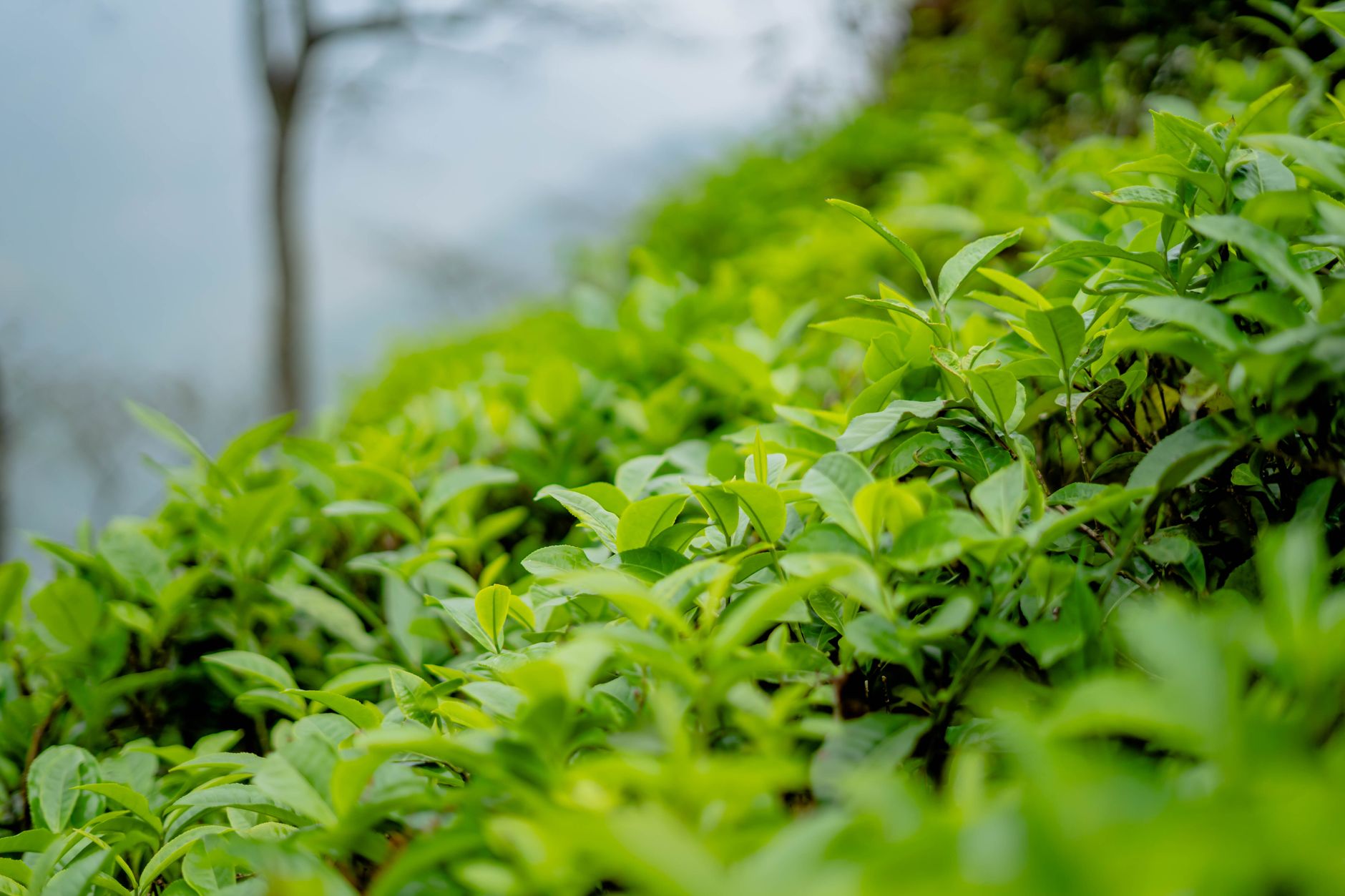
Happy Valley Tea Estate ranks among the most famous and accessible tea gardens in Darjeeling, offering visitors the opportunity to walk through meticulously maintained rows of tea bushes, tour a functioning tea factory, and sample some of the world’s finest tea at its source while learning about the intricate processes that create Darjeeling’s distinctive muscatel flavor. Established in 1854, making it one of the oldest tea estates in the region, Happy Valley continues producing premium tea using methods that honor traditional techniques while incorporating modern quality control, and the estate’s proximity to Darjeeling town makes it the most convenient option for visitors wanting to experience the tea culture that defines this region. The factory tour explains each stage of tea production from freshly plucked leaves to finished product, including the withering, rolling, fermentation, drying, and sorting processes that transform raw leaves into the amber liquid prized by connoisseurs worldwide. Walking through the tea gardens provides insight into the labor-intensive work of plucking, traditionally done by women whose skilled hands select only the finest leaves, while the surrounding scenery of terraced bushes cascading down hillsides against mountain backdrops creates perfect photography conditions. The estate shop sells various grades of Darjeeling tea at prices significantly lower than urban retailers, and the knowledgeable staff help visitors understand the differences between first flush, second flush, and autumn flush teas.
Insider Tip
Visit during plucking season (March-November) to see the estate in full operation; the factory may be closed during winter. Morning visits between 9-11 AM offer the best combination of activity and comfortable temperatures. Request the full factory tour including the tasting room for the complete experience. Purchase first flush tea directly from the estate shop for the freshest product at the best prices. Photography is permitted in the gardens but may be restricted in some factory areas; always ask permission first.

5. Peace Pagoda (Japanese Peace Pagoda)
The Japanese Peace Pagoda, officially known as Nipponzan Myohoji, rises as a gleaming white stupa on a hilltop overlooking Darjeeling, symbolizing the Buddhist message of peace and providing one of the most serene settings in the region for meditation, reflection, and appreciation of Himalayan panoramas. Built in 1992 by Japanese monks from the Nipponzan Myohoji Buddhist Order as part of their worldwide movement to construct peace monuments following the atomic bombings of World War II, the pagoda houses relics of Buddha and features four golden statues depicting different aspects of Buddha’s life. The approach to the pagoda involves a pleasant walk through forests that provide welcome shade and birdsong, while the pagoda plaza offers sweeping views of Kanchenjunga and the surrounding hills that rival any viewpoint in Darjeeling. The atmosphere here contrasts markedly with the bustle of central Darjeeling, encouraging visitors to slow down, breathe deeply, and appreciate both the spiritual significance of the site and the natural beauty surrounding it. Monks residing at the adjacent monastery conduct regular prayer sessions featuring the rhythmic chanting of “Na Mu Myo Ho Ren Ge Kyo” accompanied by drums, creating a meditative soundscape that enhances the peaceful atmosphere. Evening visits when golden light bathes the white stupa create particularly magical conditions for both photography and contemplation.
Insider Tip
Visit in late afternoon around 4-5 PM when the light is golden and the crowds have thinned. The monastery conducts prayer sessions that visitors may observe; ask about timing at the gate. Wear comfortable walking shoes for the approach path. Remove shoes before entering the pagoda area as a sign of respect. Clear days offer spectacular views of Kanchenjunga and surrounding ranges. Combine with the nearby Japanese Temple for a complete experience of Japanese Buddhist presence in Darjeeling.
6. Padmaja Naidu Himalayan Zoological Park
The Padmaja Naidu Himalayan Zoological Park, commonly called the Darjeeling Zoo, holds the distinction of being the only zoo in India specifically dedicated to the conservation and breeding of endangered Himalayan fauna, including successful programs for snow leopards and red pandas that have contributed significantly to global conservation efforts. Established in 1958 at an elevation of 2,134 meters, the zoo spreads across 67.56 acres of hilly terrain that provides semi-natural habitats for its animal residents while offering visitors considerable exercise as they navigate the steep paths connecting different enclosures. The zoo houses some of the rarest Himalayan species including snow leopards, red pandas, Himalayan black bears, Tibetan wolves, clouded leopards, and various pheasant species, many of which are difficult or impossible to observe in the wild. The red panda breeding program has been particularly successful, producing numerous offspring that have been distributed to zoos around the world and contributing valuable genetic diversity to the global captive population. The forested setting creates a pleasant atmosphere that feels more like a wildlife sanctuary than a traditional zoo, with natural vegetation providing appropriate environments for the cold-adapted species housed here. Combining a zoo visit with the adjacent Himalayan Mountaineering Institute creates a logical half-day excursion that covers two major attractions within the same complex.
Insider Tip
Visit early morning when animals are most active, particularly the snow leopards and red pandas. The zoo closes on Thursdays, so plan accordingly. Wear comfortable walking shoes as the terrain is hilly with many steps. The snow leopard enclosures are near the HMI entrance, while red pandas are spread throughout the park. Purchase a combined ticket covering both the zoo and HMI for better value. Feeding times offer the best viewing opportunities; ask staff about schedules. Photography without tripods is permitted throughout the zoo.
7. Himalayan Mountaineering Institute (HMI)
The Himalayan Mountaineering Institute stands as one of the world’s premier institutions for mountaineering training and education, founded in 1954 with Tenzing Norgay Sherpa as its first Director of Field Training following his historic first ascent of Mount Everest with Sir Edmund Hillary in 1953. Beyond its educational mission, the institute houses an excellent museum that chronicles the history of Himalayan mountaineering, displays expedition equipment from various eras, and pays tribute to the legendary climbers who pushed the boundaries of human achievement on the world’s highest peaks. The museum collections include fascinating artifacts from early Everest expeditions, the personal effects of Tenzing Norgay, and displays explaining the techniques and equipment that made climbing the world’s highest mountains possible. Tenzing Norgay’s samadhi (memorial) is located within the institute grounds, providing a place for visitors to pay respects to one of mountaineering’s greatest heroes who spent his later years training new generations of climbers at this institution. The HMI shares its campus with the Padmaja Naidu Zoo, making combined visits practical and efficient. For those inspired by the mountaineering history on display, HMI offers various courses ranging from basic mountaineering introductions to advanced climbing certifications that have trained thousands of climbers since the institute’s founding.
Insider Tip
Allocate at least 1-2 hours for a thorough exploration of the museum displays. The institute shares its entrance with the zoo; purchase a combined ticket for both attractions. Visit Tenzing Norgay’s samadhi to pay respects at the memorial of this legendary mountaineer. Photography is permitted throughout the museum and grounds. The small shop sells mountaineering books and HMI merchandise. For those interested in learning to climb, inquire about the basic mountaineering courses that accept beginners with reasonable fitness levels.
8. Ghoom Monastery (Yiga Choeling)
Ghoom Monastery, officially known as Yiga Choeling, represents the most significant Tibetan Buddhist monastery in the Darjeeling region and houses a magnificent 15-foot statue of Maitreya Buddha that has drawn devotees and curious visitors since the monastery’s founding in 1875 by the revered lama Sherab Gyatso. Located approximately 8 kilometers from Darjeeling town near the highest railway station on the Darjeeling Himalayan Railway, the monastery belongs to the Yellow Hat (Gelugpa) sect of Tibetan Buddhism and maintains active religious life with resident monks conducting daily prayers and rituals. The main prayer hall creates an atmosphere of profound sanctity, with the serene face of the Maitreya Buddha gazing down upon flickering butter lamps, colorful thangka paintings depicting Buddhist deities, and ancient religious texts wrapped in silk cloths. The monastery’s hilltop location offers glimpses of surrounding mountains when weather permits, while the nearby presence of the Ghoom railway station creates the unusual juxtaposition of monastic tranquility with the sounds of the Toy Train chugging past. Visiting Ghoom Monastery provides insight into the strong Tibetan Buddhist presence in Darjeeling that developed following the arrival of Tibetan refugees after 1959, making the region one of the most significant centers of Tibetan culture outside Tibet itself.
Insider Tip
Visit in the morning when monks conduct prayers and the atmosphere is most spiritually charged. Remove shoes before entering the prayer hall and dress modestly out of respect for the sacred space. Photography may be restricted inside the main hall; always ask permission. Combine with nearby Batasia Loop and a Toy Train ride for a complete Ghoom excursion. The monastery is active and not a museum; maintain quiet and respectful behavior throughout your visit. Small donations are appreciated and support the monastic community.
9. Rock Garden and Ganga Maya Park
The Rock Garden, officially known as Barbotey Rock Garden, cascades down a steep hillside approximately 10 kilometers from Darjeeling town, featuring terraced gardens built among natural rock formations that have been sculpted by a series of waterfalls and streams creating an oasis of greenery and flowing water unique among Darjeeling’s attractions. The garden’s design incorporates natural water features that tumble down the rocky terrain through a series of pools and channels, with bridges, walkways, and viewing platforms positioned to maximize appreciation of both the engineered elements and the natural beauty of the site. Located at a significantly lower elevation than Darjeeling town, the Rock Garden offers a different climate and vegetation than the pine-dominated landscapes higher up, including tropical plants that cannot survive at cooler altitudes. Adjacent to the Rock Garden lies Ganga Maya Park, featuring a boating lake and additional gardens that extend the attraction into a more substantial half-day excursion. The descent through the gardens involves considerable stairs and walking, so visitors should be prepared for physical exertion, though the flowing water and lush greenery provide cool respite from any effort. The combination of natural and landscaped elements creates a refreshing contrast to the built environment of Darjeeling town and the wilder landscapes of the mountain viewpoints.
Insider Tip
Plan for substantial walking and stair climbing; wear comfortable shoes and bring water. The gardens are best visited in dry weather as paths become slippery when wet. Morning visits avoid the afternoon heat that can make the lower elevation uncomfortable. The road to Rock Garden is narrow and winding; those prone to motion sickness should consider this when planning transport. Combine with a visit to the nearby Chunnu Summer Falls for additional waterfall viewing. Photography opportunities abound throughout the terraced gardens, especially where water features catch the light.
10. Observatory Hill (Mahakal Temple)
Observatory Hill rises as a sacred summit at the very heart of Darjeeling, crowned by the Mahakal Temple complex that uniquely serves both Hindu and Buddhist worshippers, reflecting the religious harmony that characterizes this multicultural hill station. The hill takes its name from the astronomical observatory that once stood here during British times, though today the site functions primarily as a religious center where devotees of both faiths circumambulate prayer wheels, ring bells, light candles, and offer prayers at shrines dedicated to both Hindu deities and Buddhist figures. The summit provides arguably the most accessible panoramic viewpoint in central Darjeeling, with 360-degree views that include Kanchenjunga on clear days and the colorful rooftops of the town spreading across surrounding hillsides regardless of weather. The presence of numerous monkeys adds a lively element to visits, though these animals have grown bold from tourist feeding and can become aggressive if they sense food in bags or pockets. Chowrasta Mall lies at the base of Observatory Hill, making the ascent a natural extension of any stroll through Darjeeling’s central shopping and promenade area. The sound of temple bells and prayer wheels, the scent of incense, and the colorful prayer flags fluttering in mountain breezes create an atmosphere that captures much of what makes Darjeeling spiritually and culturally distinctive.
Insider Tip
Visit early morning for the most devout atmosphere and best chance of clear mountain views. The monkeys can be aggressive; keep food out of sight and don’t feed them despite the temptation. Remove shoes before entering temple areas and dress modestly. The stone steps can be slippery; take care especially in wet weather. Evening visits offer different atmosphere as local devotees come for evening prayers. The hill is directly accessible from Chowrasta Mall via well-marked paths and steps. Donations to the temple are appreciated but not required.
11. Mall Road and Chowrasta
Chowrasta, the pedestrian-only plaza that serves as the social heart of Darjeeling, and the adjacent Mall Road lined with heritage shops and restaurants, together create the essential Darjeeling experience of leisurely walking, people-watching, shopping, and soaking in the unique atmosphere of this beloved hill station. Chowrasta derives its name from the Hindi word for crossroads, and this open plaza where four roads meet has served as Darjeeling’s main gathering place since British times when evening promenades formed an essential part of colonial hill station culture. The plaza provides some of the most accessible views of Kanchenjunga available without leaving central Darjeeling, with benches positioned to maximize appreciation of the mountain panorama on clear days. Mall Road extends from Chowrasta toward the town center, lined with shops selling everything from Darjeeling tea and Tibetan handicrafts to woolen goods and Oxford bookstore’s excellent selection of titles on Himalayan topics. Keventer’s, the iconic breakfast spot established in 1911, serves as a living connection to Darjeeling’s colonial past, while numerous cafes offer contemporary options for refreshment after walking the promenade. Evenings bring a special atmosphere as families stroll, couples enjoy the cool mountain air, and vendors sell everything from roasted corn to toys, creating a scene that perfectly captures the leisurely pace of hill station life that has attracted visitors to Darjeeling for generations.
Insider Tip
Visit Chowrasta in late afternoon and stay through sunset for the best combination of shopping, mountain views, and people-watching. Keventer’s is busiest for breakfast; consider a mid-morning or afternoon visit for shorter waits. The Oxford Book Store is worth browsing even if you don’t plan to buy; their Himalayan selection is exceptional. Evening street food vendors offer delicious snacks including momos and thukpa. Pony rides for children are available at Chowrasta. Weather can change quickly; carry a light jacket even on pleasant days. The pedestrian-only zone makes this area perfect for leisurely exploration without traffic concerns.
12. Tibetan Refugee Self Help Center
The Tibetan Refugee Self Help Center provides a fascinating and moving window into Tibetan culture in exile, where visitors can observe traditional crafts being created, learn about the Tibetan refugee experience, and support the community by purchasing authentic handicrafts directly from the artisans who create them. Established in 1959 to help Tibetan refugees who fled their homeland following the Chinese occupation develop economic self-sufficiency while preserving their cultural heritage, the center has grown into one of the most significant Tibetan craft production and training facilities outside Tibet itself. Workshops at the center produce an impressive range of traditional items including hand-knotted carpets, woodcarvings, leather goods, woolen textiles, and painted thangkas, with visitors welcome to observe artisans at work and ask questions about their craft techniques passed down through generations. The center’s small museum documents the Tibetan refugee experience, displaying photographs and artifacts that tell the story of displacement and cultural preservation that defines the modern Tibetan diaspora. A temple within the complex provides space for religious practice and offers visitors a chance to observe Tibetan Buddhist rituals in an authentic setting. The shop sells products made on-site at fair prices, with proceeds supporting the refugee community and ongoing cultural preservation efforts, making purchases both meaningful souvenirs and contributions to a worthy cause.
Insider Tip
Visit in the morning when workshops are most active and you can observe crafts being made. The center is closed on Sundays. Allow 1-2 hours to explore the workshops, museum, and shop thoroughly. Prices are fixed and fair, representing genuine support for the refugee community rather than tourist markup. The carpet weaving workshop is particularly impressive; watching the intricate work reveals the true value of hand-knotted Tibetan carpets. Photography is generally permitted in workshop areas but ask permission first. The center is a short taxi ride from central Darjeeling or a pleasant 20-minute walk.
13. Lloyd Botanical Garden
Lloyd Botanical Garden occupies a peaceful hillside below the town center, housing collections of Himalayan plants, orchids, and trees in a Victorian-era garden setting that provides welcome green space for nature lovers seeking respite from Darjeeling’s increasingly developed landscape. Established in 1878 by William Lloyd, a banker from the town, and subsequently managed by the Government of Bengal, the garden spreads across approximately 40 acres and contains over 2,500 species of plants with particular emphasis on orchids and alpine flora native to the eastern Himalayas. The collection of orchids, best viewed during spring blooming season from March through May, includes numerous species found only in the cloud forests of this region, some of which are endangered in their natural habitats and preserved here for both conservation and education. Beyond the horticultural collections, the garden offers pleasant walking paths through a landscape designed to showcase different ecological zones, from sunny meadows to shaded forest groves, each supporting distinct plant communities adapted to their microclimates. A small conservatory houses tender species requiring protection from Darjeeling’s occasional frosts, while the greenhouse displays tropical plants that could not survive outdoors at this elevation. The garden sees fewer visitors than many of Darjeeling’s major attractions, making it an excellent choice for those seeking quiet contemplation of nature without crowds.
Insider Tip
Visit during March-May for orchid blooming season when the collections are most colorful. Morning visits offer the best light for flower photography. The garden is downhill from Chowrasta; walking down is easy but the return climb can be strenuous. Bring binoculars for birdwatching; the varied habitat attracts numerous species. The gardens are well-maintained but not heavily trafficked, making them ideal for peaceful walks and picnics. The entry fee is minimal and the gardens are open daily except during official holidays. Combine with a visit to the nearby zoo and HMI for a nature-focused day of exploration.
14. Darjeeling Ropeway (Cable Car)
The Darjeeling Ropeway, also known as the Rangeet Valley Passenger Ropeway, offers aerial perspectives over the tea gardens and valleys surrounding Darjeeling, providing views of the landscape that are impossible to achieve from any ground-based vantage point while creating a gentle adventure suitable for visitors of all ages. The cable car operates between Singamari (in the north of Darjeeling) and Singla Bazaar in the valley below, covering a distance of approximately 8 kilometers in three stages with stops at Tukvar and Singla. The journey reveals the full extent of Darjeeling’s famous tea gardens spreading across the hillsides in orderly rows that appear from above like green velvet draped over the contours of the land. On clear days, the cable car provides remarkable views of the snow-capped Himalayan range including Kanchenjunga, though afternoon clouds often obscure these distant peaks. The experience of gliding silently above the landscape creates a meditative quality quite different from the bumpy jeep rides that characterize most Darjeeling sightseeing, offering time to absorb the beauty without the distraction of navigating mountain roads. The infrastructure shows its age but remains safe and operational, providing an authentic rather than modern experience that fits Darjeeling’s general character of preserving heritage while adapting to contemporary tourism needs.
Insider Tip
Choose a clear morning for the best mountain views as afternoon clouds typically obscure Kanchenjunga. The ropeway may close during poor weather or for maintenance; check operational status before planning your day around a visit. The full round-trip takes approximately one hour and provides the best value. The lower station at Singla offers little of interest, so most visitors prefer the complete round trip rather than exploring at the bottom. Photography from the moving cable car requires fast shutter speeds to avoid blur. The experience is gentle enough for visitors uncomfortable with heights, as the cars are enclosed and stable.
15. Sandakphu Trek
The Sandakphu Trek stands as the ultimate Darjeeling adventure, a multi-day journey to West Bengal’s highest point at 3,636 meters where four of the world’s five highest mountains appear simultaneously along the horizon, creating one of the most spectacular mountain panoramas accessible to trekkers without technical climbing skills. The trek begins from Manebhanjan approximately 26 kilometers from Darjeeling town and follows a historic trade route along the Singalila Ridge through forests of rhododendrons that bloom spectacularly in April and May, traditional villages where Nepali and Tibetan cultures blend, and alpine meadows that transport trekkers into a high-altitude wilderness strikingly different from the cultivated landscapes around Darjeeling town. The ridge walk that defines this trek places travelers on the border between India and Nepal, with views into both countries creating a sense of being at the edge of two worlds while the Himalayan giants watch over every step. Kanchenjunga dominates the immediate panorama, while Everest, Lhotse, Makalu, and Cho Oyu stretch along the western horizon on clear days, creating a display of mountain grandeur that justifies the effort required to reach this elevated viewpoint. The standard itinerary covers four to five days, though jeep safaris offer a shorter motorized alternative for those unable to undertake the full trek but still wanting to reach Sandakphu for the views.
Insider Tip
October-November and March-May offer the best trekking conditions; avoid monsoon months (June-September) when trails become treacherous. Book through a reputable agency that handles permits, guides, and accommodation at trekking huts. The rhododendron bloom (late March-early May) adds spectacular color to the trek. Even in peak season, nights at altitude are cold; bring appropriate gear or rent from agencies in Darjeeling. The jeep alternative reaches Sandakphu in one day but lacks the immersive experience of hiking through changing landscapes. Acclimatize properly; altitude sickness affects some trekkers at Sandakphu’s elevation.
5 Hidden Gems: Offbeat Places in Darjeeling
Beyond the Tourist Trail
- Lamahatta: A quiet eco-tourism village 23 km from Darjeeling with pine forests, sunrise views, and peaceful atmosphere without crowds.
- Takdah: An orchid center and tea estate 28 km from Darjeeling offering authentic rural experiences away from tourist hustle.
- Jorebungalow-Sukhiapokhri: Twin villages offering homestays, quiet walks, and genuine Nepali village life just 10 km from town.
- Tinchuley: A peaceful village with stunning Kanchenjunga views, orange orchards, and traditional Nepali hospitality 32 km from Darjeeling.
- Lopchu: A remote tea village where visitors can experience tea production and village life in an unspoiled setting.
Planning Your Darjeeling Trip by Location
| Area | Best Attractions | Time Needed | Best For | Transport |
|---|---|---|---|---|
| Central Darjeeling | Mall Road, Observatory Hill, Lloyd Gardens | Half day | Walking exploration | Walking |
| North Darjeeling | Zoo, HMI, Peace Pagoda | Half day | Culture and wildlife | Taxi |
| Ghoom Area | Ghoom Monastery, Batasia Loop | Half day | Toy Train experience | Toy Train/Taxi |
| Tiger Hill | Sunrise Point, Senchal Lake | 3-4 hours | Sunrise views | Shared Jeep |
| Outskirts | Rock Garden, Tea Estates | Half day | Nature lovers | Taxi |
Practical Tips for Visiting Darjeeling
Essential Information
- Weather: Darjeeling is pleasant from March-May and October-November; monsoon (June-September) brings heavy rain; winter (December-February) is cold but clear.
- Altitude: At 2,042 meters, some visitors experience mild altitude effects; stay hydrated and avoid strenuous activity on arrival day.
- Currency: ATMs are available but can be unreliable; carry sufficient cash for smaller establishments.
- Clothing: Layers are essential; temperatures vary significantly between sunny afternoons and cold mornings.
- Photography: Carry camera rain protection during monsoon and lens cleaning cloths for misty conditions.
- Transport: Shared jeeps are the most economical option; private taxis available but expensive; walking covers central attractions well.
- Booking: Reserve Tiger Hill transport and Toy Train tickets in advance during peak season.
Frequently Asked Questions About Places to Visit in Darjeeling
How many days are sufficient to explore Darjeeling?
Three to four days allows comfortable coverage of Darjeeling’s major attractions including Tiger Hill sunrise, Toy Train experience, tea estate visit, and exploration of monasteries and viewpoints. Five to seven days permits adding the Sandakphu trek or day trips to Kalimpong and Mirik. A minimum of two days covers only the highlights at a rushed pace.
What is the best time to visit Darjeeling for clear mountain views?
October-November offers the highest probability of clear Kanchenjunga views following monsoon when air quality peaks and skies are consistently clear. March-May also provides good visibility though occasional clouds are more common. Winter months (December-February) can offer crystal-clear days but extreme cold affects comfort. Monsoon months (June-September) rarely offer clear mountain views.
Is the Toy Train ride worth doing?
Absolutely. The Darjeeling Himalayan Railway offers a unique heritage experience unmatched anywhere in the world. The joy ride from Darjeeling to Ghoom (2 hours) provides the essential experience without committing to the full-day journey. Book in advance during peak season as trains sell out. The journey offers perspectives on tea gardens and mountain scenery impossible from any road.
Is the Tiger Hill sunrise worth the early wake-up?
Yes, if weather conditions cooperate. Watching sunrise illuminate Kanchenjunga while distant Everest appears on the horizon creates a memorable experience that justifies the 4 AM departure. However, clouds frequently obscure views, particularly during monsoon and some winter days. Check weather forecasts and ask local hotels about conditions before booking transport. The experience disappoints when clouds block the mountains.
How do I reach Darjeeling?
Bagdogra Airport (IXB) near Siliguri receives flights from major Indian cities and is 67 km from Darjeeling (3-4 hours by taxi). New Jalpaiguri railway station connects to the Indian rail network and is 88 km from Darjeeling. From both points, shared jeeps and private taxis ascend to Darjeeling via winding mountain roads. The Toy Train offers a scenic but slow alternative from New Jalpaiguri (7-8 hours).
Can I visit tea estates without a tour?
Yes, several tea estates including Happy Valley welcome independent visitors during operating hours. Factory tours explain the production process, and shops sell fresh tea at estate prices. Some premium estates like Makaibari require advance booking. Visit during plucking season (March-November) when the gardens are active and factories operational. Estate shops offer better quality and prices than town retailers.
Planning your Darjeeling trip benefits from understanding the diverse attractions spread across this historic hill station. For more information, explore our guides to best time to visit Darjeeling, best hotels in Darjeeling, things to do in Darjeeling, Darjeeling 5-day itinerary, and Darjeeling trip cost.
Ready to Explore Darjeeling?
Book your perfect Darjeeling accommodation now and start planning your journey to the Queen of the Hills.