Kodaikanal, affectionately called the “Princess of Hill Stations”, sits amidst the Palani Hills of Tamil Nadu at an elevation of 2,133 meters. Unlike hill stations developed by the British for administrative purposes, Kodaikanal was established by American missionaries in 1845 as a refuge from the tropical heat, giving it a unique character that persists today. With its star-shaped lake, dense shola forests, and misty valleys, understanding the best time to visit Kodaikanal is essential for experiencing this Tamil Nadu gem at its finest.
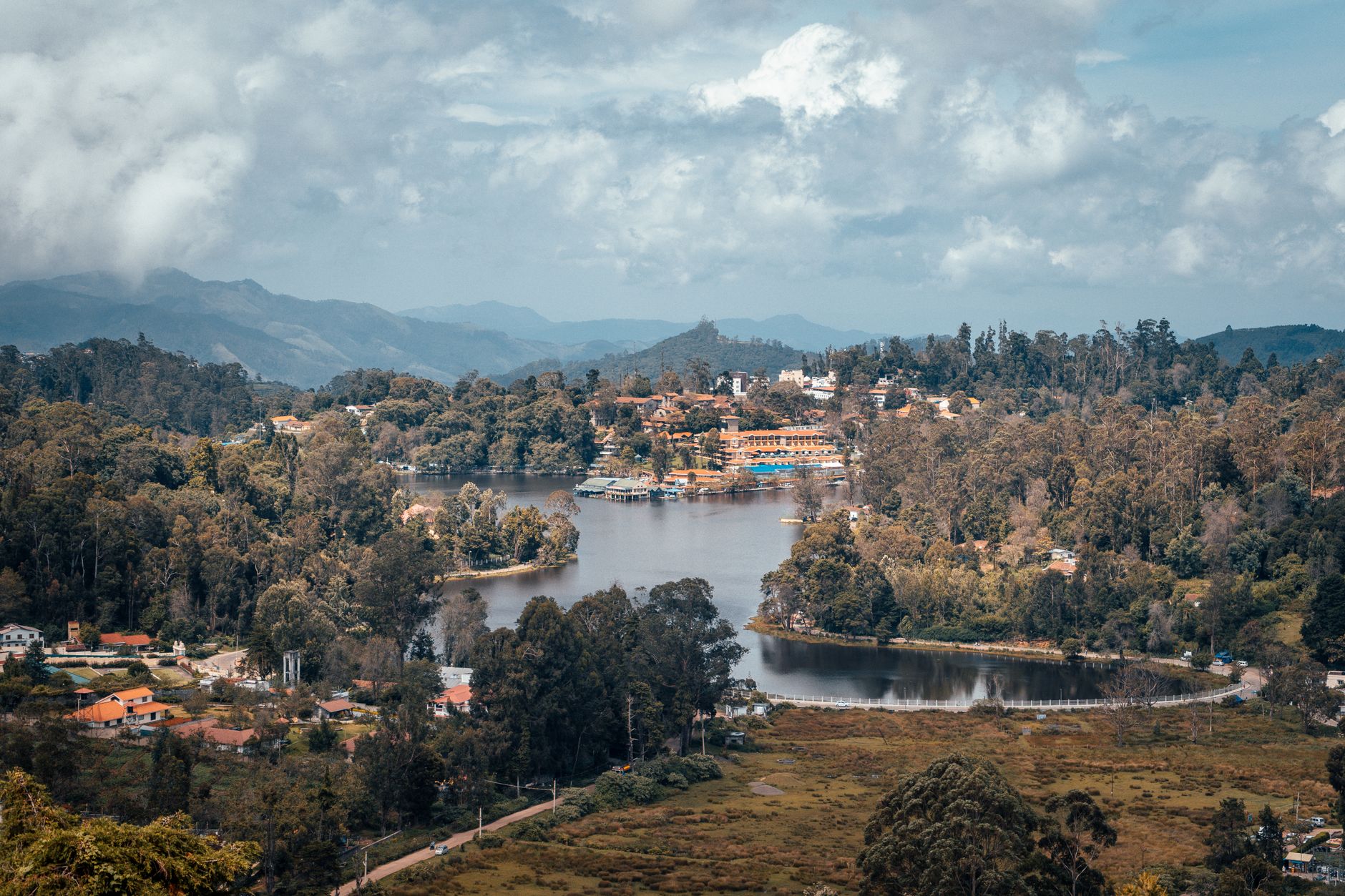
Quick Answer: The best time to visit Kodaikanal is from October to June, with April to June being peak summer season when tourists escape the plains’ heat. October to March offers cooler, quieter conditions ideal for trekking and sightseeing. Monsoon months (July-September) bring heavy rain but also lush greenery and dramatic mist.
Understanding Kodaikanal’s Climate
Kodaikanal’s climate is classified as subtropical highland, characterized by mild temperatures year-round thanks to its altitude. The town receives rainfall from both the southwest monsoon (June-September) and northeast monsoon (October-December), creating a unique rainfall pattern that differs from neighboring Ooty.
The Palani Hills form a distinct ecological zone where tropical and temperate vegetation meet. The town’s famous shola grasslands – patches of stunted evergreen forests interspersed with high-altitude grasslands – create a landscape unlike any other in India. This ecosystem supports unique flora including the Kurinji flower, which blooms once every 12 years.
Temperature variations are gentle in Kodaikanal, ranging from 8°C to 25°C throughout the year. Even during peak summer (April-May), when plains temperatures soar past 40°C, Kodaikanal maintains a pleasant 15-25°C range.
Month-by-Month Weather Guide
| Month | Temperature | Rainfall | Conditions | Rating |
|---|---|---|---|---|
| January | 8-18°C | Low | Cold mornings, clear days, occasional fog | Excellent |
| February | 9-20°C | Minimal | Cool and dry, excellent visibility | Excellent |
| March | 11-22°C | Light | Warming slightly, spring blooms begin | Very Good |
| April | 13-24°C | Moderate | Peak tourist season begins, pleasant | Excellent |
| May | 14-24°C | Moderate | Summer peak, most crowded, pre-monsoon showers | Very Good |
| June | 13-21°C | Heavy | Monsoon arrives, mist and rain | Good |
| July | 12-19°C | Very Heavy | Peak monsoon, continuous rain possible | Monsoon |
| August | 12-19°C | Very Heavy | Heavy rainfall continues | Monsoon |
| September | 12-20°C | Heavy | SW monsoon retreating, NE arriving | Moderate |
| October | 12-20°C | Heavy | NE monsoon peaks, intermittent rain | Good |
| November | 10-19°C | Moderate | Post-monsoon freshness, clearing skies | Very Good |
| December | 8-17°C | Low | Coldest month, clear weather | Excellent |
Summer Season (April to June) – Peak Tourist Season
Summer months represent the most popular time to visit Kodaikanal, coinciding with school vacations and the escape from scorching plains. While temperatures in Chennai, Madurai, and Coimbatore exceed 40°C, Kodaikanal maintains a comfortable 15-25°C range, making it a natural retreat for South Indian families.

April: Summer Begins
April marks the transition into summer with temperatures reaching their warmest in Kodaikanal (though still cool by plains standards). School holidays begin in the second half, bringing the first wave of summer tourists. This is an excellent time for those who want summer benefits without May’s peak crowds.
April highlights:
- Pleasant weather for all outdoor activities
- Kodaikanal Lake boating at its best
- Clear views from viewpoints like Coaker’s Walk
- Lower accommodation prices than May
- Flower gardens in full bloom
May: Peak Season
May sees the highest tourist influx, with accommodation prices at their peak and attractions crowded. However, this remains popular for good reason – the weather is perfect for outdoor activities, and all attractions operate at full capacity.
May considerations:
- Book accommodation weeks in advance
- Expect queues at Kodaikanal Lake boat house
- Pre-monsoon showers begin late May
- Prices peak during school vacation weeks
- Early mornings offer quieter experiences
June: Transition Month
June straddles summer and monsoon. The first two weeks can still be pleasant, but the southwest monsoon typically arrives mid-June, bringing rain and mist. Tourist numbers drop, and those who stay experience a quieter, mistier Kodaikanal.
Monsoon Season (July to September) – The Green Season
Kodaikanal receives substantial rainfall during these months, primarily from the southwest monsoon. The landscape transforms dramatically, with waterfalls coming alive and forests achieving their deepest green. This period is recommended only for travelers who appreciate rain and can accept limited outdoor activities.
July and August: Peak Monsoon
These months see the heaviest rainfall, often with continuous drizzle or heavy downpours lasting days. Cloud cover keeps the town shrouded in mist, creating an ethereal atmosphere but limiting visibility.
Monsoon characteristics:
- Heavy rainfall, often continuous for days
- Silver Cascade and Bear Shola Falls at their peak
- Mist reduces visibility at viewpoints
- Some roads may be affected
- Significantly lower tourist numbers
- Accommodation at lowest prices
September: Retreating Southwest Monsoon
September sees the southwest monsoon weakening while the northeast monsoon hasn’t yet strengthened. This brief window can offer clearing days with post-monsoon freshness. Late September can be excellent for those seeking green landscapes without constant rain.
Post-Monsoon and Winter (October to March) – Ideal for Trekking
The period from late October through March represents an excellent alternative to summer for visiting Kodaikanal. Temperatures drop to their coolest, skies clear progressively, and tourist crowds thin significantly compared to summer months.

October and November: Post-Monsoon Freshness
The northeast monsoon can bring rainfall during October and early November, particularly affecting coastal Tamil Nadu. However, Kodaikanal, situated on the western side of the Eastern Ghats, receives less from this monsoon than the southwest variety. By mid-November, skies typically clear.
Late autumn benefits:
- Waterfalls still carrying good water flow
- Landscapes retain monsoon green
- Fewer tourists than summer
- Moderate accommodation prices
- Excellent conditions for trekking
December to February: Winter Charm
These months represent the coldest period in Kodaikanal, with temperatures dropping to 8-10°C during early mornings and nights. December sees another tourist influx during Christmas-New Year holidays, but January-February remain relatively quiet.
Winter highlights:
- Crisp, clear mornings with excellent visibility
- Best conditions for sunrise at viewpoints
- Coaker’s Walk views extend to plains below
- Ideal temperatures for hiking and cycling
- Eucalyptus forests carry distinctive winter fragrance
March: Spring Transition
March offers a pleasant transition from winter to summer. Temperatures begin warming while crowds remain lower than April-May. This is an excellent month for budget travelers seeking good weather without peak-season prices or congestion.
The Kurinji Flower Phenomenon
Kodaikanal hosts the famous Kurinji (Strobilanthes kunthiana) bloom, the same flower that creates the Neelakurinji spectacle in Munnar. The flower blooms once every 12 years, carpeting the hills in purple-blue.
Next anticipated bloom: 2030 (last bloom: 2018)
During Kurinji season (August-October of bloom years):
- Hills around Kodaikanal transform into purple seas
- Berijam Lake area sees dense blooming
- Forest Department opens special viewpoints
- Expect significantly higher tourist numbers
- Book accommodation 6+ months in advance
Best Time for Specific Activities
Boating on Kodaikanal Lake
Best Time: October to May
The star-shaped lake is Kodaikanal’s centerpiece. While boating operates year-round (except during heavy rain), the experience is best when skies are clear. Morning hours (7-9 AM) offer the most peaceful experience with mirror-like water reflections.
Trekking and Nature Walks
Best Time: November to March
Cool temperatures and clear trails make winter ideal for treks. Popular routes include Dolphin’s Nose, Pillar Rocks, Green Valley View, and the longer Vattakanal to Dolphin’s Nose trail. April-May remain good but can be crowded.
Viewpoint Visits
Best Time: November to February (mornings)
Clear winter mornings offer the best visibility from Kodaikanal’s famous viewpoints. Coaker’s Walk, Dolphin’s Nose, Green Valley View, and Pillar Rocks all offer superior views during this period. Sunrise visits are particularly rewarding.
Photography
Best Time: October-November (green) or January-February (clear)
Post-monsoon offers lush greenery while winter provides crystal-clear light. The morning mist rolling through valleys (common throughout the year) creates atmospheric shots regardless of season.
Waterfall Visits
Best Time: August to November
Silver Cascade, Bear Shola Falls, and other waterfalls are most impressive during and immediately after monsoon. By February, water flow diminishes significantly.
Kodaikanal’s Local Festivals
Timing your visit with local events can enhance your Kodaikanal experience:
| Festival | Timing | Experience |
|---|---|---|
| Kodai Summer Festival | May (varies) | Cultural programs, flower shows, exhibitions |
| Boat Pageant | May | Decorated boats parade on Kodaikanal Lake |
| Pongal | Mid-January | Tamil harvest festival, cultural celebrations |
| Christmas | December 25 | Churches hold special services, festive atmosphere |
Accommodation Seasonality
| Season | Period | Price Level | Booking Advice |
|---|---|---|---|
| Peak Season | April 15 – June 15 | Highest (+80-150%) | Book 4-6 weeks ahead |
| Holiday Peak | Dec 20 – Jan 5 | High (+50-80%) | Book 3-4 weeks ahead |
| High Season | March, October-November | Moderate (+20-30%) | Book 1-2 weeks ahead |
| Low Season | July-September | Lowest (-30-50%) | Walk-in available |
Regional Variations Within Kodaikanal
Different areas around Kodaikanal offer slightly different experiences:
Kodaikanal Town and Lake Area: The main tourist hub with consistent accessibility year-round. Lake activities and immediate surroundings remain accessible except during extreme weather.
Vattakanal: A few kilometers from town, known for pine forests and trekking. Slightly cooler and mistier than the main town, particularly atmospheric during monsoon.
Berijam Lake Area: Requires forest department permits. Best visited October-May when roads are reliable. This area hosts the densest Kurinji blooms during the 12-year cycle.
Palani Hills Wildlife Sanctuary: Best visited November-March when wildlife is more active and accessible.
How to Reach Kodaikanal
By Air: The nearest airports are Madurai International Airport (120 km, 3 hours) and Coimbatore International Airport (175 km, 4 hours). Madurai offers better connectivity for most domestic travelers.
By Rail: Kodai Road railway station is the nearest (80 km), connected to major South Indian cities. Madurai Junction (120 km) and Palani (65 km) are alternative railheads with better train frequency.
By Road: Well-connected by road from Madurai (120 km, 3 hours), Chennai (463 km, 8-9 hours), Bangalore (465 km, 8 hours), and Coimbatore (175 km, 4 hours). The ghat road from Palani offers spectacular views.
Frequently Asked Questions
Is Kodaikanal good to visit in winter?
Yes, winter (November-February) is excellent for Kodaikanal. The weather is crisp and clear, viewpoints offer stunning visibility, and tourist crowds are smaller than summer. Pack warm clothes as temperatures drop to 8-12°C during mornings and evenings. This is particularly good for trekking enthusiasts.
Which is better – Ooty or Kodaikanal?
Both have distinct characters. Kodaikanal is more compact and romantic with its star-shaped lake and pine forests, better for couples and relaxed holidays. Ooty is larger with more attractions, botanical variety, and the famous toy train. For weather, both are similar, though Ooty (at higher altitude) can be slightly colder.
How many days are enough for Kodaikanal?
A minimum of 2 days covers major attractions: Day 1 for lake area, Coaker’s Walk, Bryant Park, and Day 2 for viewpoints (Dolphin’s Nose, Pillar Rocks, Green Valley). For relaxed exploration with trekking and Berijam Lake, plan 3-4 days.
Does Kodaikanal receive snowfall?
No, Kodaikanal does not receive snowfall. While temperatures can drop to 5-8°C during peak winter, they never reach freezing levels. The misconception may arise from morning mist and fog that can cover the landscape in white.
Is monsoon season safe in Kodaikanal?
Generally yes, but with precautions. The main concerns are road conditions (landslides possible on ghat roads), reduced visibility at viewpoints, and limited outdoor activities. The town itself remains safe, and many travelers enjoy the monsoon atmosphere. Avoid night travel on ghat roads during heavy rain.
When is the least crowded time to visit Kodaikanal?
Late January through early March offers the perfect combination of good weather and minimal crowds. June (early), September-October, and November also see fewer tourists. Avoid summer months (April-May) and major holidays for the quietest experience.
Final Recommendations
Kodaikanal offers enjoyable experiences throughout most of the year, with each season presenting different advantages. For the classic Kodaikanal experience with guaranteed good weather, April to June remains the traditional choice, particularly for families with school-going children.
However, for fewer crowds, better value, and equally pleasant conditions, consider November to February. The cool winter weather is perfect for outdoor activities, viewpoints offer spectacular clarity, and accommodation prices remain reasonable.
Avoid July-September unless you specifically enjoy monsoon atmospheres or are seeking the lowest prices. October can be unpredictable due to the northeast monsoon transition but often delivers beautiful post-rain landscapes.
Related Reading: Top 20 Places to Visit in Kodaikanal | Best Things to Do in Kodaikanal | Best Time to Visit Ooty
Ready to experience Tamil Nadu’s beloved Princess of Hill Stations?