Munnar sits at an elevation of 1,600 meters in Kerala’s Idukki district, where endless carpets of tea plantations roll over the Western Ghats like a green velvet blanket. This former summer resort of the British South Indian government has evolved into one of India’s most beloved hill stations, drawing visitors with its spectacular tea gardens, misty peaks, and diverse wildlife. Understanding the best time to visit Munnar ensures you experience this mountain paradise at its finest, whether you’re seeking clear mountain views, lush monsoon landscapes, or the rare Neelakurinji bloom.
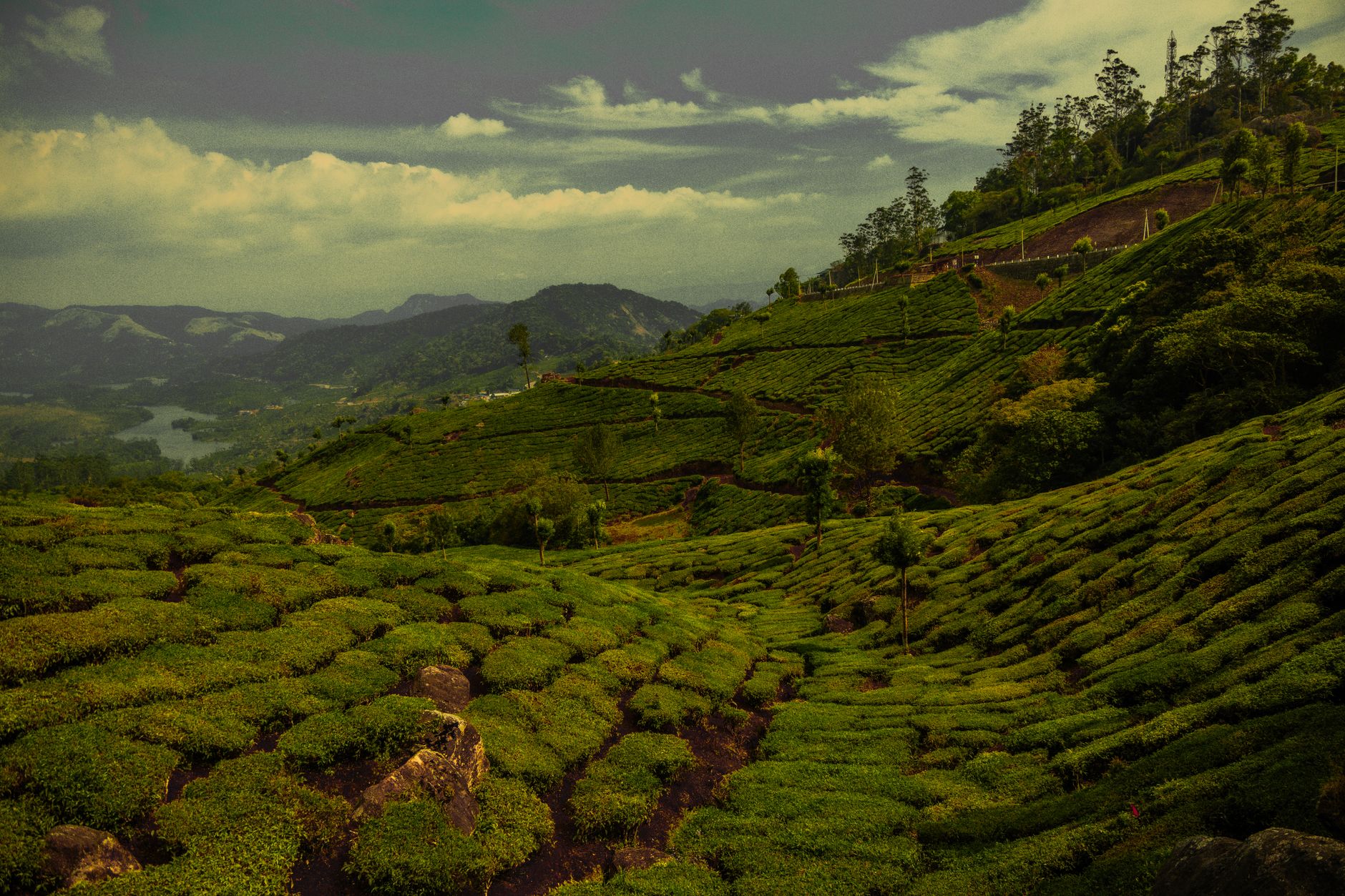
Quick Answer: The best time to visit Munnar is from September to March when temperatures range between 10-25°C, skies are clear, and tea gardens are at their most photogenic. December to February offers the coolest weather ideal for trekking, while September-November provides post-monsoon freshness with fewer crowds.
Understanding Munnar’s Unique Climate
Munnar’s climate is shaped by its high altitude position in the Western Ghats and its proximity to both the Arabian Sea (southwest monsoon) and the Bay of Bengal (northeast monsoon). This dual-monsoon influence creates a longer rainy season than many other hill stations but also contributes to the lush vegetation that defines Munnar’s landscape.
The name “Munnar” derives from “Moonu Aar” (three rivers) – the confluence of Mudhirapuzha, Nallathanni, and Kundala rivers. These water sources, combined with the ideal altitude and consistent moisture, create perfect conditions for tea cultivation, which has shaped the region since the 1870s when Scottish planters established the first estates.
Unlike tropical lowland Kerala, Munnar enjoys temperate conditions year-round, with temperatures rarely exceeding 30°C even in summer. Frost occurs occasionally during peak winter at higher elevations, a rarity in South India.
Month-by-Month Weather Overview
| Month | Temperature | Rainfall | Weather Conditions | Rating |
|---|---|---|---|---|
| January | 5-24°C | Minimal | Coldest month, possible frost, clear skies | Excellent |
| February | 7-26°C | Minimal | Cool mornings, warming days, excellent visibility | Excellent |
| March | 10-28°C | Light | Pleasant, occasional afternoon showers | Very Good |
| April | 12-29°C | Moderate | Pre-monsoon buildup, warm days | Good |
| May | 13-27°C | Heavy | Pre-monsoon showers begin, humid | Moderate |
| June | 13-24°C | Very Heavy | Southwest monsoon arrives | Monsoon |
| July | 13-23°C | Very Heavy | Peak monsoon, heavy rainfall | Monsoon |
| August | 13-24°C | Heavy | Continuous rain, lush greenery | Monsoon |
| September | 12-25°C | Heavy | SW monsoon retreating, NE monsoon starting | Good |
| October | 12-26°C | Moderate | Inter-monsoon, clearing skies | Very Good |
| November | 10-25°C | Light | NE monsoon weakening, cool and pleasant | Excellent |
| December | 7-24°C | Minimal | Cool and dry, peak tourist season | Excellent |
Winter Season (November to February) – Peak Season
The winter months are undeniably the best time to visit Munnar for most travelers. The monsoons have retreated, leaving behind sparkling clean tea gardens and crystal-clear mountain views. This is when Munnar transforms into a winter paradise, with temperatures dropping to single digits at higher elevations.

November: Post-Monsoon Paradise
November marks the end of the northeast monsoon, with skies progressively clearing. The tea gardens are at their most vibrant green, still glistening from recent rains. Tourist crowds are manageable, making it an excellent time for those who want the benefits of winter weather without peak-season congestion.
Why visit in November:
- Tea gardens at peak greenery after monsoon nourishment
- Waterfalls still flowing strongly
- Lower accommodation prices compared to December-January
- Comfortable trekking conditions beginning
- Wildlife more active in Eravikulam National Park
December and January: Peak Tourist Season
These months see the highest tourist influx, particularly during Christmas-New Year holidays and Pongal/Makar Sankranti. Temperatures drop to their lowest, with mornings as cold as 5-7°C and occasional frost at Top Station and Kolukkumalai. Despite crowds, this remains the most popular time for good reason.
Winter highlights:
- Top Station offers spectacular sunrise views over Tamil Nadu plains
- Eravikulam National Park opens for Nilgiri Tahr sighting
- Kolukkumalai sunrise treks offer otherworldly experiences above the clouds
- Tea factory tours showcase full production cycles
- Best conditions for Anamudi peak viewing (South India’s highest)
February: Perfect Balance
February offers perhaps the most balanced visiting experience. Holiday crowds have dispersed, temperatures remain comfortable (7-26°C), and clear skies persist. Tea plucking is in full swing, offering excellent factory visit experiences. This month is particularly good for photography enthusiasts seeking clear mountain vistas.
Summer Season (March to May) – Pre-Monsoon Period
Summer in Munnar remains significantly cooler than the plains, making it a popular escape for South Indian tourists fleeing the heat. However, the season brings its own characteristics that visitors should understand.
March: Late Winter Comfort
March maintains pleasant conditions with temperatures peaking at 28°C. This is an excellent month for budget-conscious travelers, as accommodation prices drop from winter peaks while weather remains favorable. Tea picking continues actively, and all outdoor attractions remain accessible.
April and May: Pre-Monsoon Transition
These months see increasing afternoon temperatures and the first pre-monsoon showers. While still cooler than lowland Kerala, the weather becomes less predictable. Key considerations:
- Temperatures remain manageable (12-29°C) due to altitude
- Afternoon thunderstorms become common
- School holidays in May bring family tourists
- Waterfalls begin gaining water from early showers
- Tea gardens start showing stress before monsoon rejuvenation
Monsoon Season (June to September) – The Green Season
Munnar receives substantial rainfall from both southwest (June-August) and northeast (September-November) monsoons, accumulating over 3,000mm annually. While not traditionally recommended, monsoon Munnar has its own devoted followers who seek its unique beauty.

June and July: Peak Monsoon
The southwest monsoon brings heavy, persistent rainfall. Many tourists avoid this period, but those who visit experience a different Munnar – one of cascading waterfalls, mist-shrouded mountains, and incredibly green tea estates.
Monsoon characteristics:
- Continuous rainfall, sometimes for days
- Waterfalls at their most spectacular
- Clouds often descend to tea garden level
- Roads can be affected by landslides
- Some attractions may close temporarily
- Leeches active in forest areas
August and September: Retreating Monsoon
Rainfall intensity decreases through August, though showers remain frequent. September sees the inter-monsoon transition, offering glimpses of clearing weather interspersed with rain. Late September often provides excellent value – monsoon freshness with improving accessibility.
Monsoon Travel Considerations
What remains accessible:
- Tea factory visits and tea museum
- Mattupetty Dam (water level at peak)
- Rose Garden and Floriculture Centre
- Local viewpoints on clearer days
- Plantation walks near town
What’s restricted or affected:
- Eravikulam National Park closes for Nilgiri Tahr calving (December-May)
- Top Station may be inaccessible during heavy rain
- Kolukkumalai jeep track becomes treacherous
- Long treks not advisable
- Gap Road views often obscured by clouds
The Neelakurinji Phenomenon – Special Timing
Every 12 years, Munnar hosts one of nature’s most spectacular events – the blooming of Neelakurinji (Strobilanthes kunthiana), a flower that carpets the hillsides in ethereal purple-blue. The next bloom is expected in 2030 (the last was 2018).
During Neelakurinji season (August-October of bloom years), the hills around Eravikulam National Park transform into a sea of blue, drawing hundreds of thousands of visitors. If you’re planning your visit around this phenomenon:
- Book accommodation a year in advance
- Expect significantly higher prices
- Plan for crowds at all viewpoints
- The peak bloom usually occurs in September
Best Time for Specific Activities
Tea Plantation Visits and Factory Tours
Best Time: Year-round, optimal November-March
Tea production continues throughout the year, though flush quality varies. The “first flush” (March-April) and “second flush” (May-June) produce prized teas. Winter visits offer comfortable walking weather for estate tours at Kanan Devan Hills, Tata Tea Museum, and various smaller estates.
Eravikulam National Park (Nilgiri Tahr)
Best Time: September to November, February to April
The park closes during February-April for tahr calving season but reopens with excellent wildlife visibility. Post-monsoon months (September-November) offer lush landscapes and active wildlife. January-early February provides good sighting opportunities before closure.
Trekking and Hiking
Best Time: November to February
Clear skies, stable weather, and comfortable temperatures make winter ideal for treks. Meesapulimala (Kerala’s second-highest peak), Kolukkumalai, and Top Station treks are best undertaken during these months.
Photography
Best Time: September-October (green landscapes) or December-February (clear views)
Post-monsoon offers the most vibrant green while winter provides clearest mountain vistas. Sunrise at Top Station (November-February) and Kolukkumalai produces stunning images above the cloud line.
Wildlife Spotting
Best Time: September-November, February-April
Besides Nilgiri Tahr at Eravikulam, Munnar’s forests host elephants, gaur, and various deer species. Chinnar Wildlife Sanctuary (lower altitude) offers different species and is accessible year-round.
Regional Weather Variations
Munnar district covers various elevations, each with slightly different microclimates:
| Area | Altitude | Climate Notes | Best Time |
|---|---|---|---|
| Munnar Town | 1,532m | Base temperature reference, moderate rain | Sept-March |
| Top Station | 1,880m | Coldest area, stunning sunrise point | Nov-Feb (clear views) |
| Kolukkumalai | 2,100m | Highest tea estate, very cold mornings | Oct-March |
| Mattupetty | 1,700m | Lake area, slightly cooler than town | Year-round |
| Chinnar | 400-2,372m | Rain shadow, drier climate | Year-round |
| Marayoor | 1,000m | Sandalwood forests, drier than Munnar | Oct-March |
Accommodation Seasonality
| Season | Period | Price Level | Availability |
|---|---|---|---|
| Peak Season | Dec 20 – Jan 10 | Highest (+100-150%) | Book 2 months ahead |
| High Season | Oct-Nov, Jan-Feb | High (+30-50%) | Book 2-3 weeks ahead |
| Shoulder Season | March-May, September | Moderate | Book 1 week ahead |
| Low Season | June-August | Low (-20-40%) | Walk-in possible |
How to Reach Munnar
By Air: The nearest airport is Cochin International Airport (COK), approximately 110 km from Munnar (3.5-4 hours drive). Madurai Airport (140 km) offers an alternative for those coming from Tamil Nadu.
By Rail: Ernakulam Junction (Kochi) is the nearest major railway station (130 km). Aluva is slightly closer (110 km). Both connect to all major Indian cities.
By Road: Well-connected by road from Kochi (130 km, 4 hours), Thekkady (90 km, 3 hours), Madurai (160 km, 4.5 hours), and Coimbatore (160 km, 5 hours). The Kochi-Munnar route via Neriamangalam offers spectacular ghat views.
Frequently Asked Questions
Is Munnar worth visiting in the rainy season?
Yes, if you appreciate monsoon landscapes and can adjust expectations. The tea gardens achieve their most vibrant green, waterfalls are spectacular, and you’ll enjoy solitude without tourist crowds. However, outdoor activities are limited, some attractions may be inaccessible, and continuous rain can confine you indoors. Bring proper rain gear and plan flexible itineraries.
How cold does Munnar get in winter?
Munnar town sees temperatures between 5-15°C during December-January mornings, with days warming to 20-24°C. Higher areas like Top Station and Kolukkumalai can drop to 0-5°C, occasionally experiencing frost. Pack warm layers – thermals, fleece, and a good jacket are essential for early morning activities.
Which is the best month to visit Munnar?
September-October for post-monsoon freshness with fewer crowds, or January-February for guaranteed clear weather and all attractions open. December is popular but extremely crowded. Each month offers different advantages depending on your priorities – crowds, weather, or value.
How many days are enough for Munnar?
A minimum of 3 days allows you to cover major attractions: Day 1 for local sightseeing (tea museum, Rose Garden, Mattupetty), Day 2 for Eravikulam/Top Station, Day 3 for Kolukkumalai or Chinnar. For relaxed exploration including treks and multiple viewpoints, 4-5 days is ideal.
When does Neelakurinji bloom next?
The next Neelakurinji mass flowering is expected in 2030, following the 12-year cycle (previous blooms: 2018, 2006, 1994). However, some patches bloom in intervening years at different locations. The peak season is August-September during bloom years.
Is Munnar suitable for a honeymoon in monsoon?
Monsoon can be romantic for couples who enjoy rain and don’t mind indoor time. Many resorts offer excellent monsoon packages with spa treatments and cozy accommodations. However, outdoor activities are limited, and some scenic viewpoints remain foggy. September offers a better balance – some romance of rain without constant downpours.
Final Recommendations
For the best overall Munnar experience, plan your visit between October and February. Within this window, November offers the sweet spot of post-monsoon beauty without December’s peak crowds, while January-February guarantees the clearest mountain views and coldest temperatures for those seeking a winter escape.
However, Munnar’s year-round accessibility means every season has its advocates. Monsoon lovers will find June-August enchanting, budget travelers can leverage March-May shoulder season, and those fortunate enough to visit during Neelakurinji years will witness a once-in-twelve-years natural phenomenon.
Related Reading: Top 20 Places to Visit in Munnar | Best Things to Do in Munnar | Best Time to Visit Kerala
Ready to explore Kerala’s enchanting tea country?