Tawang presents one of India’s most extraordinary travel experiences, where the world’s second-largest Buddhist monastery rises against a backdrop of snow-capped Himalayan peaks in a remote corner of Arunachal Pradesh that remained largely inaccessible to outsiders until recent decades. This high-altitude district at over 3,000 meters combines profound spiritual heritage with dramatic mountain scenery, 1962 war history, and the distinctive Monpa culture that has preserved Tibetan Buddhist traditions while developing unique regional characteristics. Understanding the best things to do in Tawang helps you navigate the permit requirements, challenging access, and limited tourism infrastructure while maximizing experiences in this genuinely frontier destination.
Whether you seek spiritual immersion in the monastery that anchors this region’s Buddhist heritage, want to pay respects at memorials commemorating the 1962 conflict with China, or simply wish to experience high-altitude landscapes that few Indian travelers ever witness, Tawang delivers experiences impossible to replicate elsewhere. This comprehensive guide covers twenty essential activities spanning spirituality, history, nature, and adventure, complete with practical information to help you make the most of your journey to India’s remote northwest frontier.
Quick Facts: Tawang Activities Overview
Spiritual Experiences
1. Explore Tawang Monastery
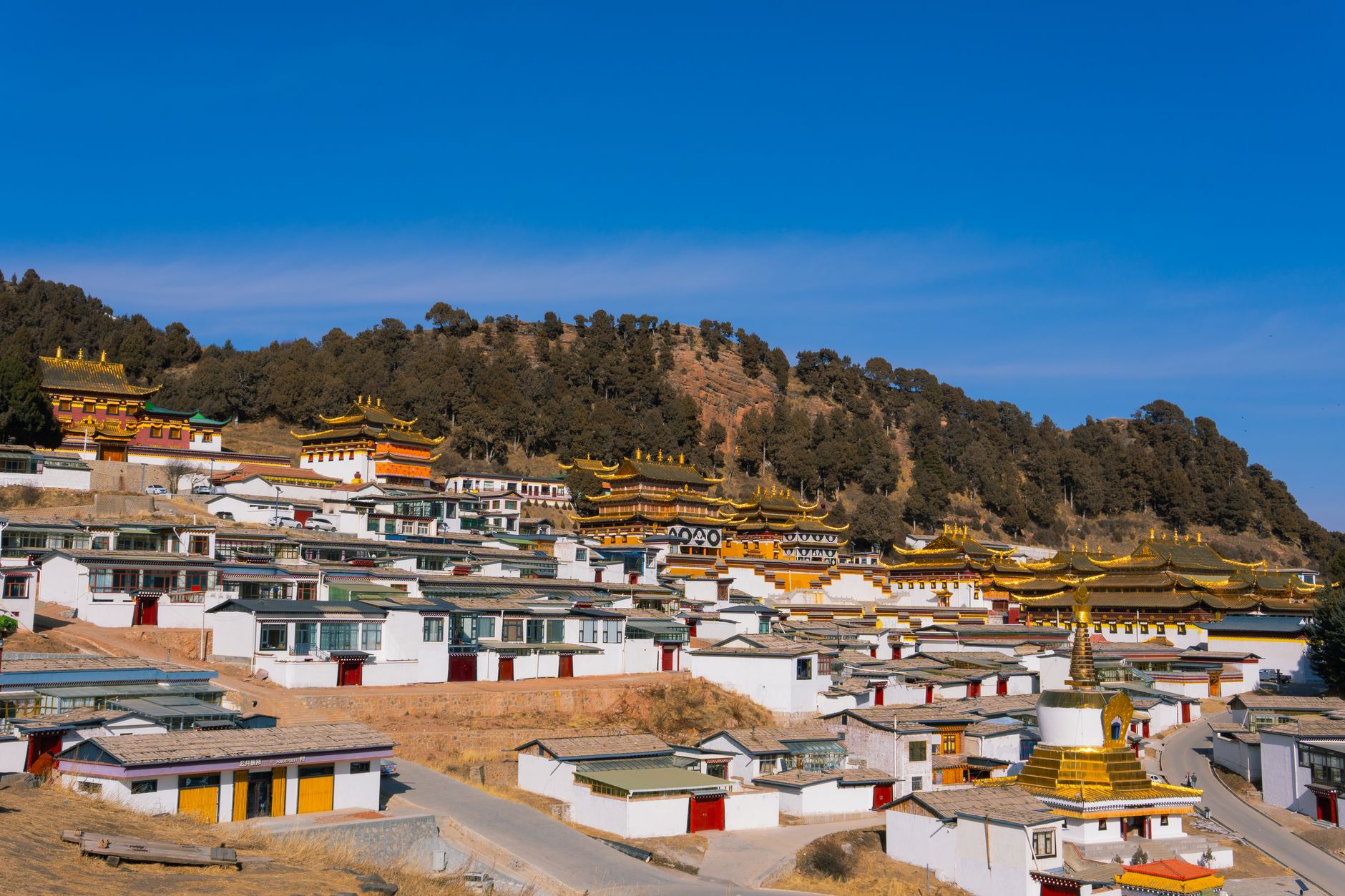
Tawang Monastery (Galden Namgey Lhatse) stands as the world’s second-largest Buddhist monastery after Lhasa’s Potala Palace, a 400-year-old institution perched dramatically on a hillside that has served as the region’s spiritual center since its founding in 1680-81. The massive complex houses approximately 450 monks who maintain daily practice traditions, religious education, and cultural preservation that connect contemporary Tawang to centuries of Buddhist heritage. The monastery’s scale, setting, and living traditions create experiences that rank among India’s most significant Buddhist sites.
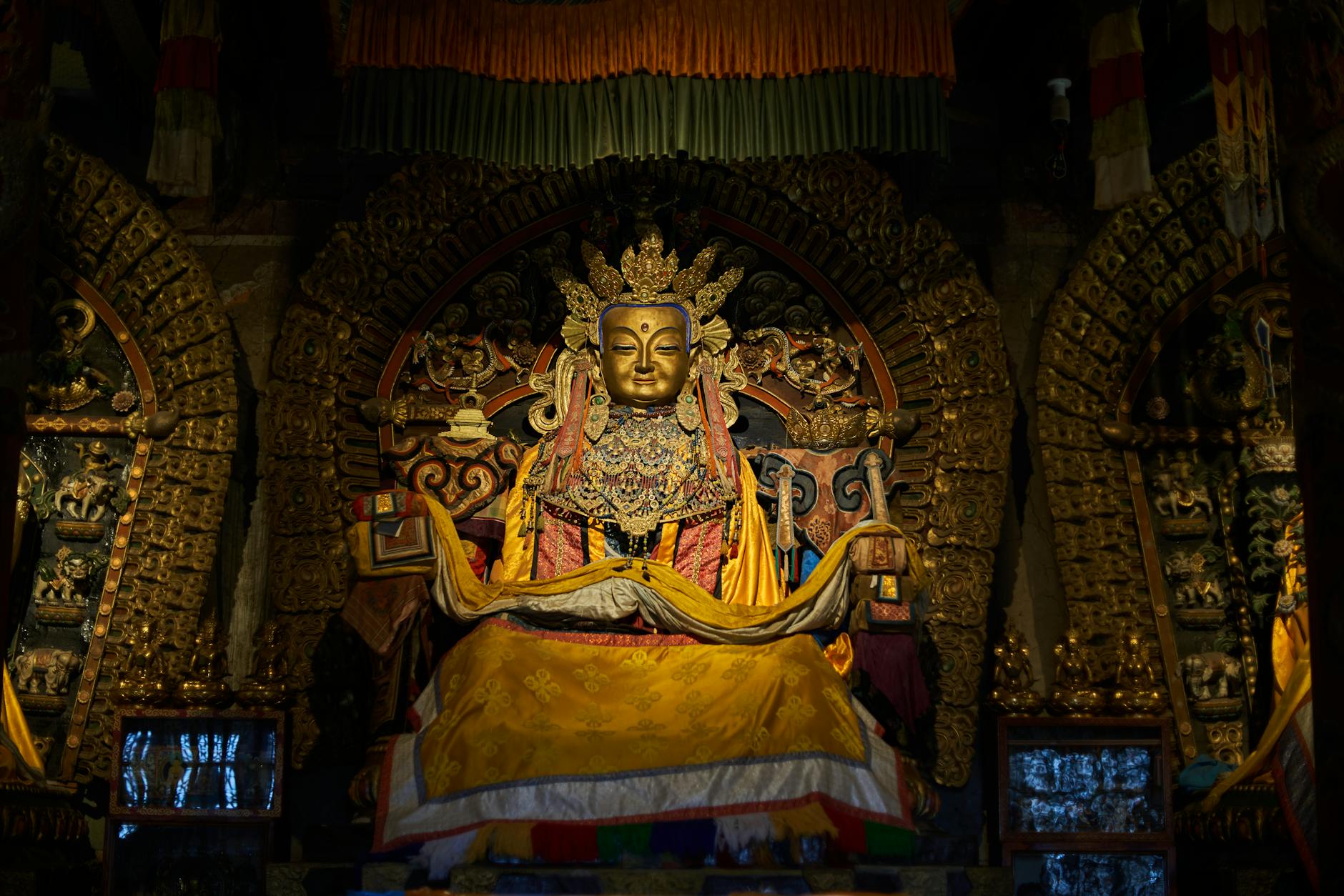
The main assembly hall contains an 8-meter golden Buddha statue surrounded by ancient thangka paintings, murals, and religious artifacts that demonstrate Tibetan Buddhist artistic traditions at their finest. The monastery library holds precious manuscripts including some rescued from Tibet during the Cultural Revolution disruptions. Daily prayer sessions fill the halls with chanting monks, ritual music, and meditative atmosphere that visitors can observe from designated areas. The strategic hilltop location provides commanding views across the Tawang valley that enhance appreciation of the monastery’s dramatic setting.
2. Attend Morning Prayers at the Monastery
Experiencing morning prayers at Tawang Monastery provides authentic glimpse into Buddhist practice that has continued for centuries, with hundreds of monks gathering in the main assembly hall for rituals that include chanting, instrumental music, and communal devotion. The prayers typically begin around 5:30-6:00 AM, requiring early rising but rewarding with experiences that tourist-hour visits cannot replicate. The combination of pre-dawn darkness, gradually building light, and concentrated spiritual practice creates profound atmosphere.
Proper preparation including warm clothing and respectful behavior demonstrates cultural sensitivity while ensuring comfortable viewing. Photography policies vary with specific ceremonies and monk preferences, requiring permission before documenting prayers. The commitment required to attend early morning sessions filters casual visitors, creating more intimate experiences than daytime tourism typically allows. The monastery’s guesthouse accommodation facilitates early access for those making prayers a priority.
3. Visit Urgelling Gompa
Urgelling Gompa marks the birthplace of the 6th Dalai Lama, Tsangyang Gyatso, providing historical significance that connects this remote region to the highest levels of Tibetan Buddhist leadership. The small monastery approximately 5 kilometers from Tawang town preserves the site where this controversial and beloved Dalai Lama was born in 1682, with traditions maintaining that auspicious signs accompanied his birth. The intimate scale contrasts with Tawang Monastery’s grandeur while providing different perspectives on Buddhist heritage.
The 6th Dalai Lama remains one of the most fascinating figures in Tibetan Buddhist history, known for poetry and unconventional lifestyle that departed from typical religious leadership. Understanding his story enhances appreciation of Urgelling’s significance as visitors explore the preserved rooms and artifacts associated with his early life. Local guides can explain the historical context and legends surrounding this unusual spiritual leader.
4. Explore Smaller Monasteries and Nunneries
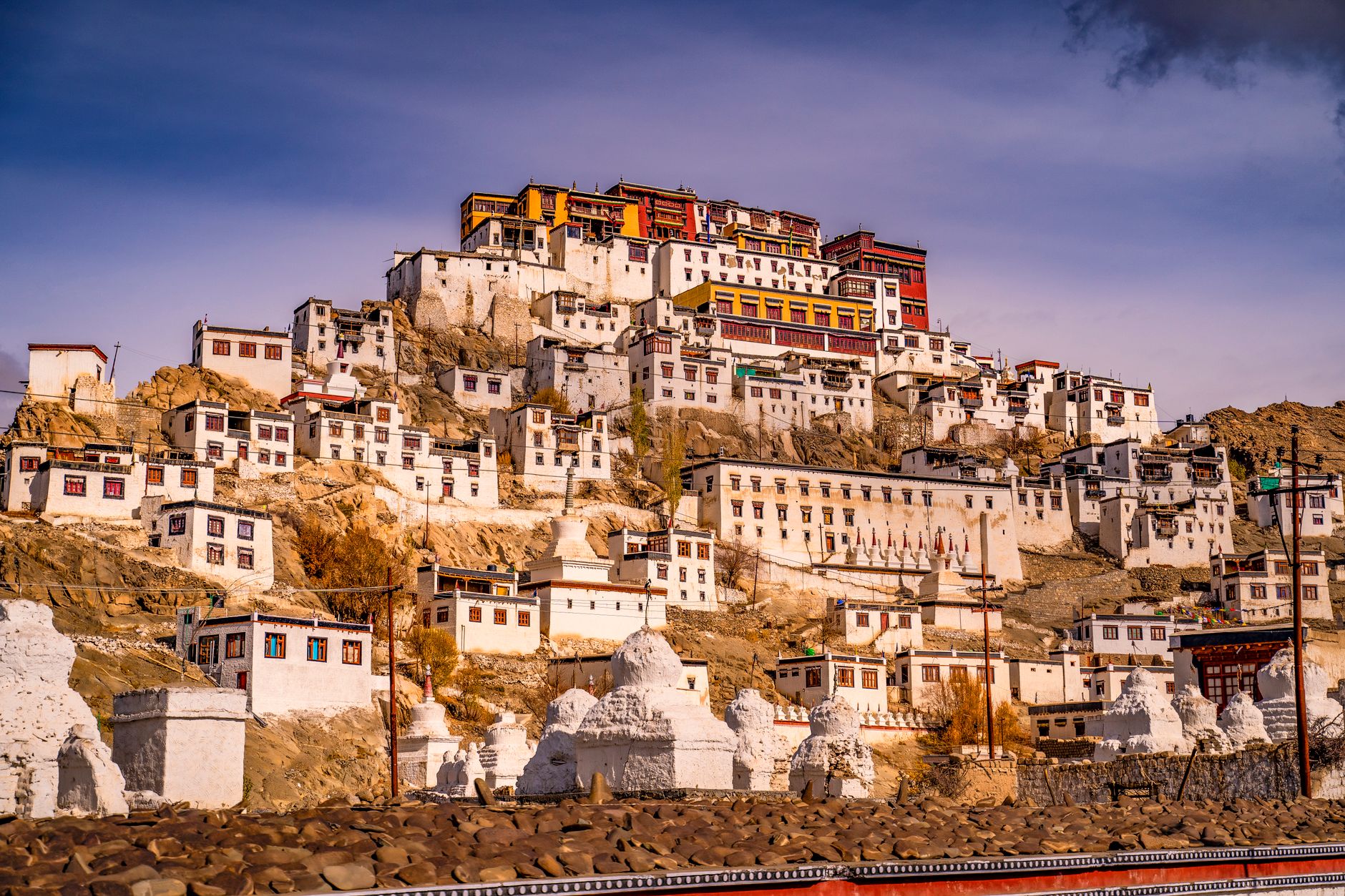
Beyond the main Tawang Monastery, numerous smaller religious institutions throughout the district preserve Buddhist traditions and provide access to spiritual sites with fewer visitors and more intimate atmospheres. Ani Gompa (nunnery), Bramdungchung Ani Gompa, and various village monasteries offer opportunities to observe Buddhist practice in settings that allow closer interaction with residents. These smaller institutions often welcome interested visitors with warmth that the larger monastery’s scale may preclude.
Visiting multiple religious sites reveals the diversity within Tibetan Buddhist practice while demonstrating how deeply Buddhism shapes community life throughout the region. The combination of grand monasteries and humble village institutions together provide comprehensive understanding of Buddhist heritage that single-site visits cannot achieve. Local guides can recommend lesser-known sites appropriate for specific interests and available time.
Historical Sites
5. Pay Respects at Tawang War Memorial
The Tawang War Memorial (Namgyal Chorten) commemorates Indian soldiers who died during the 1962 Sino-Indian War, a conflict that saw intense fighting throughout this region and resulted in significant territorial changes that continue affecting India-China relations. The memorial’s design incorporates Buddhist stupa architecture while honoring military sacrifice, creating a site that serves both religious and patriotic functions. The setting against mountain backdrops adds solemn beauty to the commemorative purpose.
The Light and Sound Show presented at the memorial on certain evenings provides dramatic retelling of the 1962 conflict that helps visitors understand the historical context of this border region. Museum displays document the battles, individual heroism, and strategic significance that continue making Tawang a sensitive frontier area. Visiting the memorial provides essential context for understanding Tawang’s contemporary character as much as its historical significance.
6. Visit Jaswant Garh War Memorial
Jaswant Garh commemorates Rifleman Jaswant Singh Rawat, who single-handedly held his position against Chinese forces in 1962, allowing his unit to retreat and earning posthumous recognition that has made him a legendary figure among Indian military personnel. The memorial approximately 25 kilometers from Tawang includes a bunker where he made his stand, maintained with military precision as an active shrine where soldiers pay respects. Local traditions attribute miraculous powers to Jaswant Singh’s spirit, similar to beliefs surrounding Baba Harbhajan Singh at Nathula.
The military maintains the memorial with extraordinary care, keeping Jaswant Singh’s “quarters” prepared as if awaiting his return and granting him formal leave as if he remained on active duty. The remote location amid dramatic mountain scenery adds to the memorial’s atmospheric power, while the continuing military presence connects historical sacrifice to contemporary defense responsibilities. Visiting provides insight into military culture and the ongoing strategic importance of this frontier region.
7. Explore Nuranang Falls and Surrounding Area
Nuranang Falls (also known as Jang Falls) cascades approximately 100 meters through forested terrain near the memorial to Rifleman Jaswant Singh, combining natural beauty with proximity to historical sites for efficient combined visits. The waterfall derives its name from a local Monpa woman named Nura who supported Indian soldiers during the 1962 conflict, adding human dimension to the natural spectacle. The cascade and surrounding forest provide pleasant contrast to the more somber memorial visits.
The approach to the falls includes steps that require moderate physical effort, though the descent is manageable for most visitors willing to take appropriate time. The falls flow strongest during and after monsoon, with water volume varying significantly by season. Photography opportunities abound in the combination of falling water, rocky terrain, and forested surroundings that frame the cascade.
Natural Attractions
8. Visit Madhuri Lake (Sangestar Tso)
Madhuri Lake gained its popular name after appearing in a Bollywood film featuring actress Madhuri Dixit, though its Monpa name Sangestar Tso reflects deeper local connections to this beautiful high-altitude lake formed by the 1950 Assam earthquake. Located approximately 35 kilometers from Tawang at over 3,700 meters elevation, the lake’s dramatic setting amid mountains and remnant trees killed by the earthquake creates haunting beauty unlike conventional lake scenery. The difficult access ensures that those who reach the lake experience genuine wilderness atmosphere.
The journey to Madhuri Lake crosses Sela Pass and provides continuously changing perspectives on the dramatic terrain surrounding Tawang. Road conditions vary with weather and season, sometimes requiring high-clearance vehicles or limiting access entirely during winter months. The altitude affects many visitors, requiring awareness of symptoms and willingness to descend if problems develop. Clear weather reveals extraordinary mountain panoramas that justify the challenging journey.
9. Cross Sela Pass
Sela Pass at 4,170 meters represents one of India’s highest motorable passes, a critical link on the only road connecting Tawang with the rest of India that closes during winter snows and challenges vehicles and travelers year-round. All visitors to Tawang must cross Sela Pass, transforming what might seem merely a road journey into a significant experience that demonstrates the isolation and dramatic terrain defining this frontier region. The pass itself offers viewpoints where travelers can appreciate the extraordinary landscape.
The pass area includes Sela Lake, a sacred lake that remains partially frozen through much of the year, and a memorial to Jaswant Singh near the road. The dramatic transition from lower elevations through the pass and into Tawang valley provides continuously changing perspectives on terrain that shifts from forested lower slopes to alpine meadows to stark high-altitude landscapes. Weather conditions change rapidly at these elevations, making warm clothing essential regardless of conditions when departing lower areas.
10. Explore Pankang Teng Tso (P.T. Tso)
Pankang Teng Tso, locally known as P.T. Tso, offers one of Tawang’s most accessible high-altitude lake experiences, located approximately 17 kilometers from town at an elevation that allows relatively comfortable visiting without extreme altitude effects. The lake’s setting amid mountains and alpine vegetation creates photogenic compositions that reward the journey, while the reduced crowding compared to more famous lakes provides more peaceful experiences.
The lake’s waters change character with season and lighting conditions, reflecting surrounding peaks on calm days and taking on different colors as sun angles shift throughout the day. Local wildlife including various bird species may be observed around the lake margins, adding natural interest beyond scenic appreciation. The manageable distance from Tawang town allows half-day visits that combine comfortably with other activities.
Cultural Experiences
11. Experience Monpa Culture
The Monpa people constitute Tawang’s indigenous population, maintaining distinctive cultural traditions including language, dress, cuisine, and social organization that distinguish them from other Himalayan communities while sharing broad Tibetan Buddhist heritage. Engaging with Monpa culture through village visits, craft demonstrations, and food experiences provides human dimension to Tawang beyond the famous monastery and war memorials. The relative preservation of traditional practices in this remote region allows genuine cultural encounters.
Traditional Monpa dress including distinctive headwear remains worn in daily life by many residents, particularly in villages outside the main town. Handwoven textiles, wooden crafts, and other traditional products demonstrate artistic traditions maintained across generations. The Monpa language shares roots with Tibetan but has developed distinctly, reflecting centuries of relative isolation that have preserved cultural characteristics lost elsewhere.
12. Sample Local Monpa Cuisine
Monpa cuisine offers unique flavors shaped by high-altitude agriculture and centuries of adaptation to the challenging environment, with preparations including thukpa variations, momos, and distinctive dishes using local ingredients unavailable elsewhere. The emphasis on barley, yak products, and preserved foods reflects practical adaptation to conditions where growing seasons are short and transportation of goods historically difficult. Several establishments in Tawang town serve traditional Monpa foods accessible to visitors.
Yak butter tea remains central to Monpa hospitality, with proper appreciation requiring adjustment of expectations for those unfamiliar with this distinctively savory beverage. Local barley preparations and dishes incorporating foraged plants demonstrate cuisine shaped by what the high-altitude environment provides. Dining experiences in local homes through homestays or arranged visits provide more authentic exposure than restaurant dining, though the latter remains more accessible for most visitors.
13. Attend a Local Festival
Monpa festivals throughout the year combine Buddhist observance with cultural celebration, featuring masked dances, traditional music, and community gathering that provide concentrated opportunities to experience cultural traditions in their most vibrant expressions. Major festivals including Losar (New Year), Torgya, and various monastery anniversaries draw large local participation while welcoming visitors interested in cultural immersion.
Planning visits around major festivals requires research into lunar calendar dates that vary annually. Accommodation and transportation become scarce during major celebrations, making advance arrangement essential. The festival atmosphere extends beyond formal programming into markets, social gatherings, and home celebrations that together create experiences far richer than everyday tourism allows. Photography opportunities abound during festivals, though appropriate respect for religious elements of celebrations remains essential.
Adventure and Exploration
14. Trek to Bumla Pass
Bumla Pass at approximately 4,633 meters marks the actual Line of Actual Control between India and China, one of the few points where visitors can stand at this geopolitically significant boundary with proper permits. The journey from Tawang takes visitors through terrain that witnessed the 1962 conflict, with military installations throughout demonstrating the ongoing strategic importance of this frontier. The experience of standing at the boundary separating the world’s two most populous nations creates memorable perspective on geopolitical realities.
Access requires special permits beyond the standard ILP/PAP, arranged through tour operators in Tawang or in advance. The extreme altitude causes symptoms in many visitors, requiring proper acclimatization and awareness of warning signs. Weather conditions dramatically affect both road access and viewing experiences, with clear days revealing extraordinary perspectives while clouds can obscure the landscape entirely. The journey itself through dramatic terrain provides value beyond the destination.
15. Explore Gorichen Peak Views
Gorichen Peak at 6,488 meters represents Arunachal Pradesh’s highest peak, with views from various points around Tawang providing perspectives on this massive mountain that dominates the regional horizon. While the peak itself requires technical mountaineering well beyond casual tourism, viewpoints accessible by road allow appreciation of its scale and majesty. Clear conditions reveal snow-covered slopes that remain impressive regardless of season.
Optimal viewing positions vary with conditions and seasonal factors, requiring local guidance to identify current best options. Photography opportunities depend heavily on weather, with clear morning conditions typically providing best results before afternoon clouds build. The peak’s dominance of the regional skyline means glimpses appear from numerous locations throughout Tawang, with dedicated viewpoint visits enhancing casual observations.
16. Visit Local Villages
Villages throughout Tawang district preserve traditional architecture, agricultural practices, and daily life patterns that have evolved over centuries in this high-altitude environment. Visiting beyond Tawang town reveals communities where traditional dress remains everyday wear, farming continues with historic methods, and Buddhist practice integrates seamlessly with daily activities. The relative preservation of traditional life in these remote communities allows genuine cultural encounters increasingly rare elsewhere.
Organized village visits through local guides or tour operators provide appropriate introduction while ensuring community comfort with visitor presence. The combination of walking through village environments, observing agricultural activities, and interacting with residents creates experiences that tourist-attraction visits cannot replicate. Respect for privacy and local customs enhances experiences while maintaining positive visitor-community relationships.
Practical Experiences
17. Shop for Local Handicrafts
Tawang’s handicraft traditions include handwoven textiles, wooden items, and Buddhist religious objects that make distinctive souvenirs while supporting local artisans maintaining traditional skills. The government-run emporium and various private shops offer selections ranging from simple souvenirs to significant pieces requiring substantial investment. Quality varies widely, making careful examination important for significant purchases.
Traditional Monpa textiles including shawls, bags, and clothing items demonstrate weaving traditions maintained across generations. Wooden items including masks, bowls, and decorative pieces showcase carving skills applied to locally available materials. Buddhist items including prayer wheels, statues, and ritual objects serve both religious and decorative functions. Purchases directly from artisans when possible ensure maximum benefit flows to creators rather than intermediaries.
18. Photograph Dramatic Landscapes
Tawang’s combination of high mountains, traditional architecture, Buddhist monuments, and dramatic terrain creates extraordinary photography opportunities that reward both casual snappers and serious photographers. The monastery’s scale and setting, mountain panoramas from various viewpoints, and atmospheric conditions that shift rapidly throughout the day together provide subjects spanning documentary, landscape, and artistic approaches.
Optimal conditions for different subjects vary with season, time of day, and weather factors that require flexibility in scheduling. Early morning and late afternoon light typically provides most flattering conditions, while midday harsh light challenges many subjects. The altitude and clear air create exceptional atmospheric conditions that enhance distant views while requiring exposure adjustments unfamiliar to lowland photographers.
19. Acclimatize and Enjoy the Mountain Air
Tawang’s elevation above 3,000 meters requires acclimatization that provides excuse for relaxed pacing that allows deeper appreciation than rushed sightseeing permits. The clean mountain air, reduced oxygen levels, and slower pace necessary for comfort together encourage contemplative approaches that align with the region’s Buddhist heritage. Using required rest periods productively transforms physiological necessity into opportunity for reflection.
Walking slowly, staying hydrated, and avoiding strenuous activity during initial days allows bodies to adjust while minds absorb the extraordinary environment. The monastery’s peaceful atmosphere, dramatic mountain views, and relative quiet compared to busier destinations support relaxation that benefits both health and appreciation. Symptoms including headache and fatigue affect many visitors but typically resolve with appropriate pacing.
20. Experience the Journey Itself
The journey to Tawang, typically from Guwahati or Tezpur, constitutes a significant experience in itself, with the road climbing through progressively dramatic terrain across multiple days that transform travel from mere transportation into adventure. The challenging road conditions, changing landscapes, and gradual ascent through varying ecosystems together create experiences that dedicated travelers appreciate as much as the destination. The remoteness that makes reaching Tawang difficult also makes arrival meaningful.
Most travelers break the journey with overnight stops in towns including Bomdila and Dirang that provide altitude acclimatization while offering their own attractions including monasteries and mountain views. The famous 200+ hairpin bends descending from Sela Pass demonstrate road-building challenges while providing continuously changing perspectives. Weather conditions affect both road safety and scenic viewing, making flexibility and appropriate expectations essential for enjoying this extraordinary journey.
Tawang Activity Planning Tips
- Obtain Inner Line Permits well in advance through registered agents or online portals
- Plan gradual acclimatization with overnight stops en route from lower elevations
- Carry warm clothing regardless of season – temperatures drop dramatically
- Allow flexibility for weather-dependent activities and road conditions
- Book accommodation in advance during peak season and festivals
Frequently Asked Questions About Things to Do in Tawang
How many days do I need in Tawang?
Four to five days allows comfortable coverage of major attractions with appropriate acclimatization time. This typically includes 2-3 days of travel from/to Guwahati plus 4-5 days in Tawang district. Rushing the schedule risks altitude sickness and diminished enjoyment. Those interested in remote lake visits or cultural immersion should allow additional days.
What permits do I need for Tawang?
All visitors to Arunachal Pradesh require Inner Line Permits (ILP) for Indian nationals or Protected Area Permits (PAP) for foreign nationals. These must be obtained in advance through authorized agents, online portals, or Arunachal Pradesh House offices in major cities. Additional permits are required for sensitive areas including Bumla Pass.
What is the best time to visit Tawang?
March to June and September to October offer optimal conditions. March-June provides spring flowers and moderate temperatures but occasional late snow. September-October offers post-monsoon clarity and festival season. Monsoon (July-August) brings landslides and difficult travel. Winter (November-February) sees heavy snow and road closures.
Is altitude a concern in Tawang?
Yes, Tawang’s elevation above 3,000 meters causes altitude sickness in many visitors. Symptoms including headache, nausea, and fatigue are common. Gradual acclimatization through overnight stops at intermediate elevations, staying hydrated, and avoiding strenuous activity initially helps prevent serious problems. Those with respiratory or cardiac conditions should consult doctors before visiting.
How do I reach Tawang?
The nearest major transportation hub is Guwahati (approximately 480 km). Most visitors travel by road via Tezpur, Bomdila, and Dirang over 2-3 days. Helicopter services occasionally operate for faster but weather-dependent access. No railway reaches Tawang. Road conditions vary seasonally, with winter closures possible at Sela Pass.
Planning your Tawang adventure requires balancing permit logistics, altitude considerations, and seasonal factors while remaining open to the extraordinary experiences this remote frontier destination offers. For more information, explore our guides to best time to visit Tawang, places to visit in Tawang, and how to reach Tawang.
Ready to Explore Tawang?
Book your Tawang accommodation now and start planning your journey to India’s remote frontier.